









































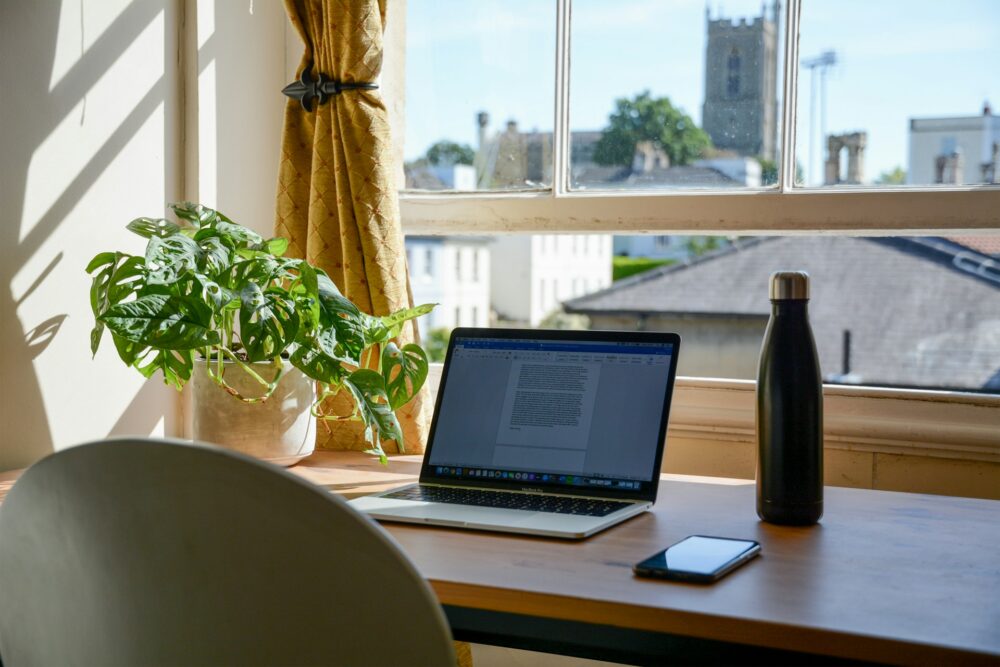
Working from home while supporting a child’s education can feel like managing two full-time roles at once. Parents are expected to stay productive, meet deadlines, and maintain professional focus, all while ensuring their children remain engaged, supported, and on track academically. Without clear structure, the overlap between work responsibilities and educational needs can quickly become overwhelming.
The key to making this balancing work-from-home is not perfection, it is consistency, flexibility, and creating systems that support both roles. By building routines, setting boundaries, and using the right resources, parents can create an environment where both work and learning can coexist effectively.
Creating a Structured Daily Routine
A consistent daily routine is one of the most effective ways to balance work and education at home. While flexibility is important, having predictable blocks of time for work, learning, and breaks helps reduce stress and confusion.
Children benefit from knowing what to expect throughout the day. Structured schedules support focus and reduce distractions, making it easier for them to stay engaged with their tasks. At the same time, parents can plan work responsibilities around these blocks, creating a more manageable workflow.
Even simple routines, such as starting the day at the same time or scheduling regular breaks, can create a sense of stability for both parent and child.
Supporting Learning With the Right Resources
Access to appropriate learning materials plays a major role in keeping children engaged. When resources are clear, structured, and aligned with their level, children can work more independently.
Using tools like 3rd grade writing worksheets helps provide structured exercises that guide children through specific skills, allowing them to stay focused while parents manage their own responsibilities.
This type of support reduces the need for constant supervision and encourages children to take ownership of their learning process.
Setting Boundaries Between Work and School Time
One of the biggest challenges of working from home is the lack of clear boundaries. Without separation, work and school tasks can overlap, leading to frustration for both parents and children.
Creating designated work and study spaces, even within the same room, helps establish these boundaries. Visual cues, such as a specific desk or area, signal when it is time to focus on a particular task.
Clear communication is also important. Children should understand when a parent is unavailable for interruptions and when support will be provided. These expectations help create a smoother daily flow.
Encouraging Independence in Learning
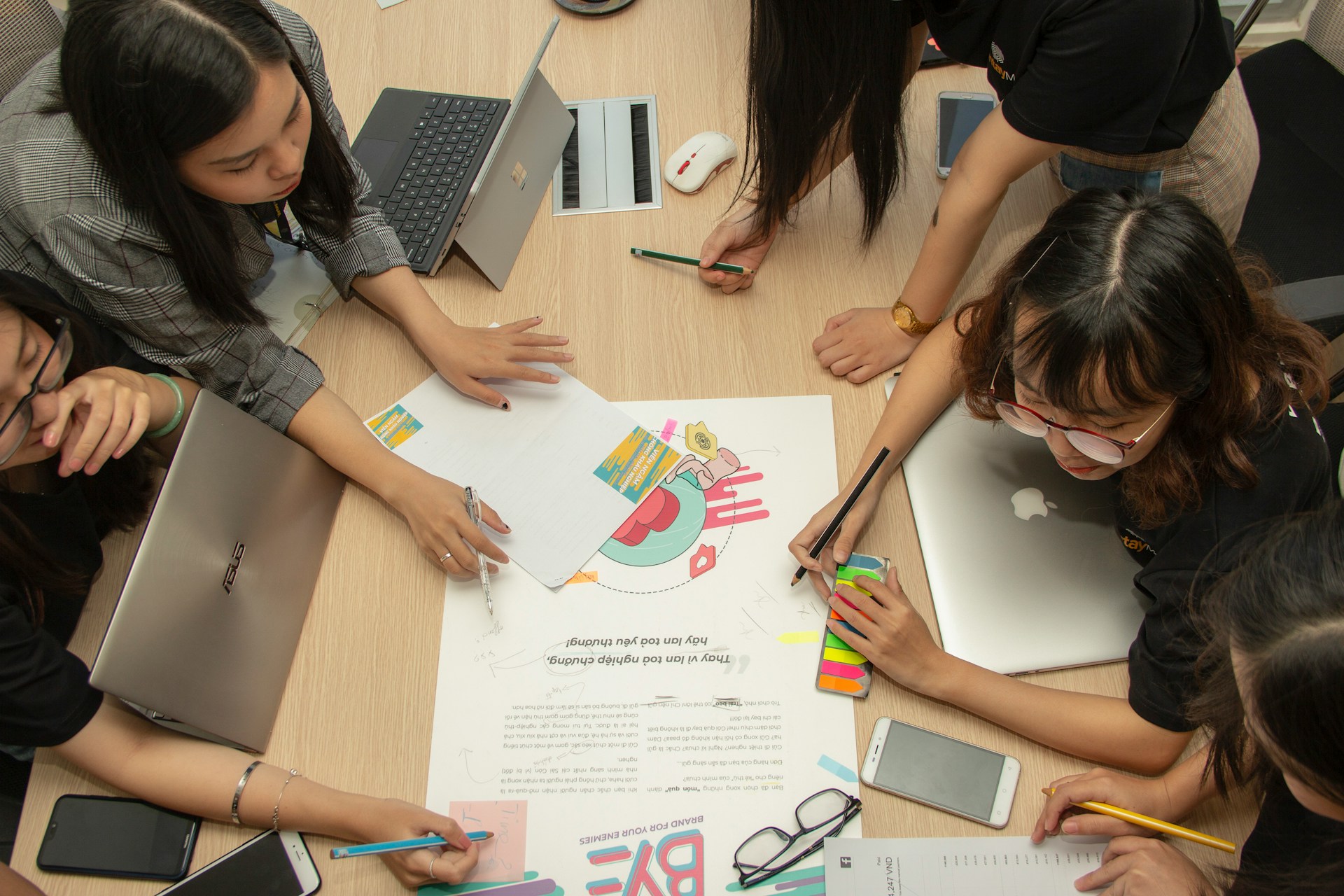
Independence is a critical skill for children, especially in a home learning environment. While support is important, encouraging children to complete tasks on their own builds confidence and responsibility.
This can be done by assigning manageable tasks, providing clear instructions, and allowing children to work through challenges before stepping in. Over time, this approach reduces reliance on constant supervision.
Independent learning also helps parents maintain productivity, as children become more capable of managing their own time and responsibilities.
Managing Stress and Maintaining Balance
Balancing work and education at home can be stressful, particularly when unexpected challenges arise. Managing this stress is essential for maintaining a healthy environment.
Short breaks, physical activity, and time away from screens can help both parents and children reset. Maintaining realistic expectations is equally important, some days will be more productive than others, and that is part of the process.
Creating small moments of calm within the day helps prevent burnout and supports long-term balance.
Integrating Values and Personal Development
Education at home is not only about academics, it also includes personal development and values. Activities that encourage reflection, creativity, or connection can contribute to a more balanced learning experience.
Incorporating meaningful elements, such as traditions or reflective practices supported by items like rosary catholic gifts, can provide moments of focus and grounding within a busy routine.
These elements help create a more holistic environment where children develop both academically and personally.
Adapting to Changing Needs
Every household is different, and routines that work one week may need adjustment the next. Flexibility is essential when balancing work and education.
As children grow or workloads change, schedules and expectations should evolve accordingly. Regularly reviewing what is working and what is not, helps maintain a system that remains effective over time.
Adaptability ensures that both work and learning continue to function smoothly, even as circumstances shift.
Find a Home-Based Business to Start-Up >>> Hundreds of Business Listings.