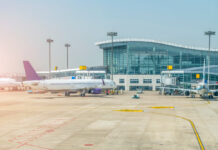










































Global air travel has rebounded dramatically in recent years, pushing major international airports back toward record-breaking passenger volumes and transforming aviation hubs into critical centers of global business, tourism, and economic activity. The world’s busiest airports now handle tens of millions of travelers annually, serving as essential gateways for international commerce, tourism, cargo transport, and airline connectivity.
Passenger traffic rankings are influenced by factors including population growth, tourism demand, airline expansion, geographic positioning, business travel, and international transit connections. Airports located in major economic and tourism centers often dominate global rankings because they serve both domestic and international travel markets simultaneously.
The aviation industry also experienced significant structural changes after the pandemic era, with shifting travel patterns, rising international demand, increased airline competition, and rapid growth in regions such as the Middle East and Asia-Pacific. Investments in airport infrastructure, smart technology, AI-powered operations, and sustainability initiatives are further reshaping how modern global hubs operate.
This article explores the world’s busiest airports ranked by passenger traffic, why these airports dominate global aviation, and how changing travel trends continue influencing future airport growth worldwide.
What Is the World’s Busiest Airport?
Hartsfield–Jackson Atlanta International Airport is widely recognized as the world’s busiest airport by passenger traffic. Other major global hubs include airports in Dubai, London, Tokyo, Dallas, and Beijing, which serve enormous domestic and international travel demand.
Key Takeaways
- Atlanta remains one of the world’s busiest airports by passenger traffic.
- Major hubs connect international business and tourism markets.
- Airport rankings depend on domestic and international travel demand.
- Asia and the Middle East continue expanding aviation infrastructure.
- Global passenger traffic rebounded strongly after pandemic disruptions.
- Airline competition drives airport expansion and modernization.
- Technology and AI are transforming airport operations.
- Sustainability initiatives are becoming increasingly important in aviation.
Why Some Airports Become Extremely Busy
Geographic Location Matters
Airports positioned between major continents or economic centers often become global transit hubs.
These airports benefit from:
- Connecting flights
- International tourism
- Business travel
- Cargo operations
Strong Airline Networks
Airports with major airline headquarters often handle enormous passenger volumes because carriers build extensive route systems around hub locations.
The World’s Busiest Airports by Passenger Traffic
Hartsfield–Jackson Atlanta International Airport
Atlanta consistently ranks among the world’s busiest airports because of:
- Massive domestic travel demand
- Extensive airline connectivity
- Major hub operations for Delta Air Lines
Its central location within the United States supports efficient nationwide flight routing.
Dubai International Airport
Dubai became one of the world’s largest international travel hubs because of its strategic location connecting:
- Europe
- Asia
- Africa
- Middle East markets
The airport plays a critical role in long-haul global travel.
Dallas/Fort Worth International Airport
Dallas/Fort Worth handles massive passenger traffic because of:
- Strong domestic demand
- International connections
- Large airline operations
Other Major Global Airport Hubs
| Airport | Region |
|---|---|
| Tokyo Haneda Airport | Asia |
| London Heathrow Airport | Europe |
| Beijing Capital International Airport | Asia |
| Los Angeles International Airport | North America |
| Istanbul Airport | Europe/Middle East |
These airports remain critical to international aviation networks.
Why Passenger Traffic Keeps Growing
Global Tourism Expansion
International tourism continues increasing because of:
- Rising middle-class travel
- Digital booking platforms
- Visa policy improvements
- Lower-cost airline competition
Business Travel Demand
Major airports serve financial centers, technology hubs, and international corporations.
Population Growth
Urban expansion and rising global mobility contribute to increasing passenger traffic.
How Airports Drive Economic Growth
Airports Support Local Economies
Large airports generate economic activity through:
- Tourism
- Logistics
- Employment
- Retail operations
- International investment
Global Trade Depends on Aviation
Airports play essential roles in:
- Cargo transportation
- Supply chains
- Business connectivity
- International commerce
Expert Tip
Passenger traffic rankings alone do not fully measure airport importance. Some airports specialize heavily in international transit connections, while others dominate domestic travel or cargo operations.
How Technology Is Changing Airports
AI and Automation Are Expanding
Modern airports increasingly use:
- AI-powered scheduling
- Facial recognition systems
- Automated baggage handling
- Predictive maintenance
Digital Passenger Experiences Improve Efficiency
Technology supports:
- Faster check-ins
- Mobile boarding systems
- Real-time flight tracking
- Smart security screening
The Role of Airline Hubs
Hub-and-Spoke Systems Increase Traffic
Major airlines centralize routes through key airports to improve efficiency and connectivity.
Transit Passengers Drive Volume
Many busy airports serve large numbers of connecting passengers rather than only local travelers.
Real-World Challenges Facing Major Airports
Congestion and Delays
High passenger volumes increase pressure on:
- Runways
- Security systems
- Air traffic control
- Ground transportation
Infrastructure Expansion Costs
Airport modernization projects often require billions of dollars in investment.
Environmental Concerns
Air travel growth raises concerns involving:
- Carbon emissions
- Noise pollution
- Energy consumption
Common Misconceptions About Busy Airports
Biggest Airports Are Not Always the Busiest
Passenger traffic rankings differ from physical airport size.
International Hubs Operate Differently
Some airports specialize more heavily in connecting international travelers.
Cargo Traffic Is Separate From Passenger Rankings
Some airports dominate global freight operations despite lower passenger totals.
Best Practices for International Travelers
Arrive Early at Major Airports
Large hubs often experience longer security and boarding times.
Monitor Flight Connections Carefully
Busy airports may require long terminal transfers.
Use Airline Apps
Digital tools improve navigation, boarding, and schedule tracking.
Understand Transit Rules
International layovers may involve immigration or visa requirements.
How Aviation Trends Are Evolving
Asia and Middle East Airports Are Growing Rapidly
New infrastructure investments continue expanding global aviation capacity.
Sustainability Became a Major Focus
Airports increasingly invest in:
- Renewable energy
- Electric ground transportation
- Sustainable aviation initiatives
Premium Travel Demand Is Rising
Luxury lounges, business travel, and premium airport services continue expanding.
The Future of Global Airport Rankings
International Travel Demand May Continue Growing
Global mobility trends suggest long-term passenger growth remains strong.
Smart Airports Will Expand
AI-driven operations and automation will likely reshape airport management further.
Infrastructure Competition Will Increase
Countries continue investing heavily in aviation hubs to strengthen tourism and global business connectivity.
Conclusion
The world’s busiest airports represent far more than transportation centers—they are critical engines of global commerce, tourism, technology, and international connectivity. Airports like Atlanta, Dubai, London Heathrow, and Tokyo Haneda continue dominating passenger rankings because of their strategic locations, airline partnerships, and enormous domestic and international travel demand.
As global tourism rebounds and international mobility expands, airports worldwide are investing heavily in infrastructure, AI-driven operations, sustainability initiatives, and passenger experience improvements. Competition among global hubs is also intensifying as countries recognize aviation’s growing importance to economic development and international business.
In the years ahead, rising passenger demand, smart airport technology, and expanding international travel markets will continue reshaping the global aviation industry and the rankings of the world’s busiest airports.
FAQ Section
What is the world’s busiest airport?
Hartsfield–Jackson Atlanta International Airport is widely considered the world’s busiest airport by passenger traffic.
Why is Atlanta airport so busy?
Atlanta benefits from strong domestic travel demand and serves as a major airline hub for connecting flights.
Which airport is busiest for international travelers?
Dubai International Airport is one of the world’s busiest airports for international passenger traffic.
How are airport rankings determined?
Airport rankings are typically based on annual passenger traffic volumes.
Why are airports important for economies?
Airports support tourism, trade, employment, logistics, and international business activity.
Are Asian airports growing quickly?
Yes, airports across Asia continue expanding rapidly because of population growth and increasing travel demand.
How is technology changing airports?
Airports increasingly use AI, automation, digital boarding systems, and smart security technologies.
What challenges do busy airports face?
Major challenges include congestion, delays, infrastructure costs, and environmental sustainability concerns.
Find a Home-Based Business to Start-Up >>> Hundreds of Business Listings.