










































Chemical factories convert raw materials into essential products for industries like agriculture, healthcare, and manufacturing. Reliable factories ensure quality, safety, and stable supply.
Chemical factories play a crucial role in industrial production, supplying the materials for manufacturing, agriculture, medicine, and energy services. Chemical factories produce a variety of chemicals from simple commodity chemicals to highly specialised products, serving diverse end uses and contributing to global economic growth.
Knowing how chemical factories work can assist companies in sourcing products and assessing the quality of suppliers.
The Role of Chemical Factories in Manufacturing
Chemical industry facilities are plants that convert raw materials into usable chemical products through chemical reactions in production systems. These reactions and processes can include mixing, heating, cooling, distillation, and purification.
Products vary from high-volume process chemicals such as acids and solvents to specialty products for pharmaceuticals and electronics.
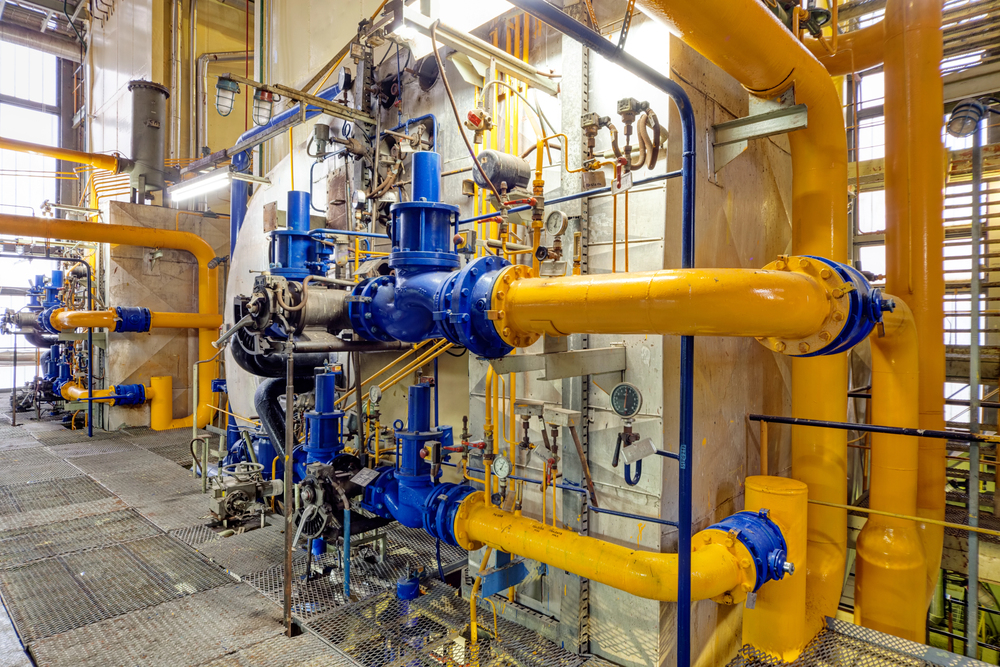
Major elements of a chemical factory include industrial production facilities, chemical storage tanks, quality control laboratories, and safety processes. All precautions are taken to make the product as specified.
The Role of Chemical Factory in Industry
Chemicals are used in many industries. Agriculture uses fertilisers and pesticides for crop cultivation. Paints, glues, and caulks are construction chemicals.
Chemicals are used to make medicines and medical devices. Manufacturing uses chemicals for cleaning, processing, or finishing products. Chemical factories are critical to these sectors and important to the global economy.
Ensuring Quality in Chemical Factories
Chemical factories need to be quality-conscious. Chemical factories test products to ensure product purity and concentration and to monitor their performance. The consistency can be done by analysing products in the lab at different stages.
Many manufacturing factories have international standards and quality assurance systems, such as the ISO certification system, to ensure consistency in operations. A plant that follows a rigorous quality control process will be more likely to provide consistent products down the line in a long-term business relationship.
Some customers shop for suppliers and choose the suppliers based on the test reports and quality certificates.
Different Kinds of Chemical Factories
The chemical factories may be divided according to the type of products they produce. Basic chemical factories in industrial production and sourcing are dedicated to the large-scale production of typical products like acids, bases, and solvents.
Higher-value products to service particular industries, such as coatings, additives, and advanced materials, are produced in specialty chemical factories.
Fine chemical factories specialize in small-scale high-purity processes frequently used in pharmaceuticals or research. This kind of knowledge can assist buyers in choosing the appropriate type of manufacturer by knowing the types.
The Evolution of Chemical Factories for Today’s Needs
The industry is changing with new methods of production influenced by new technologies and environmental needs. Chemical factories are much more automated now to boost production and minimise mistakes.
Environmental considerations are also growing. Chemical factories are focusing on lowering emissions, recycling, and conserving energy. Other factories are producing products for renewable energy and sustainable applications.
These improvements are allowing chemical factories to compete in the evolving market.
Why Safety Is Critical in Chemical Factories
One of the most significant issues of chemical manufacturing is safety. Risks that factories are required to deal with include working with dangerous substances, temperature levels, and chemical interactions.
Tight safety measures are followed to ensure the safety of workers, machinery, and the environment. Training programs and regular inspections are used to ensure high standards of safety. A manufacturing plant that has good safety management is more dependable and is trusted by consumers.
Chemical Factories in the Global Supply Chain
Chemical factories are part of global supply chains. Raw materials can be obtained in various places, processed in plants, and distributed to people all over the world. The logistics systems should be efficient to deliver on time and reduce the number of disruptions.
Companies that had had issues of delays in supply in the past are now focused on the factories that have a stable production capacity and those with good logistics support. Stable chemical plants are very important in ensuring a steady supply to the downstream sectors.
How to Choose Reliable Chemical Factories
When choosing a factory, it is important to assess. Factors to be considered include capacity, certifications and standards, quality control, and communication.
Support from the manufacturer is also critical, particularly for special or customised products and uses. A factory with comprehensive documentation and excellent customer service can be valuable.
Some companies use comparison sites like Echemi to find suitable factories and compare product information.
Chemical Factories Will Still Be Crucial for Growth
With the ever-increasing industries, the demand for chemical products will still be very high. The impact of chemical factories is expected to contribute further to the concept of innovation, sustainability, and high-level manufacturing.
The future of the industry will be determined by new materials, cleaner processes, and efficiency. Chemical plants, therefore, will remain key sources of primary raw materials and technology to major economic sectors like agriculture, pharmaceuticals, and new energy, becoming a key renewable engine of world economic development.
The continuous improvement and responsible manufacture of these plants are the only way we can give a real step towards a low-carbon, circular, and high-quality future as we constantly expand our material desires.
Conclusion
When considering chemical factories, businesses need to prioritise quality, reliability, and partnership for future development. Those with robust manufacturing and innovative technology, as well as sustainable methods, are likely to be the most important global partners.
Find a Home-Based Business to Start-Up >>> Hundreds of Business Listings.


