







































Trades-led businesses are growing in Australia, and the segment is unusually friendly to small operators. Welding, fabrication, plumbing, automotive restoration, custom metalwork: a solo trader or two-person shop can compete in territory that bigger firms cannot service profitably. Among the welding methods available, one of the older techniques still has a real place in 2026, and it is worth understanding before you write it off as outdated.
This is a practical look at gas welding for entrepreneurs and small business owners thinking about adding capability, retraining, or building a new business around fabrication and repair work.
A Quick Primer on What Gas Welding Actually Is
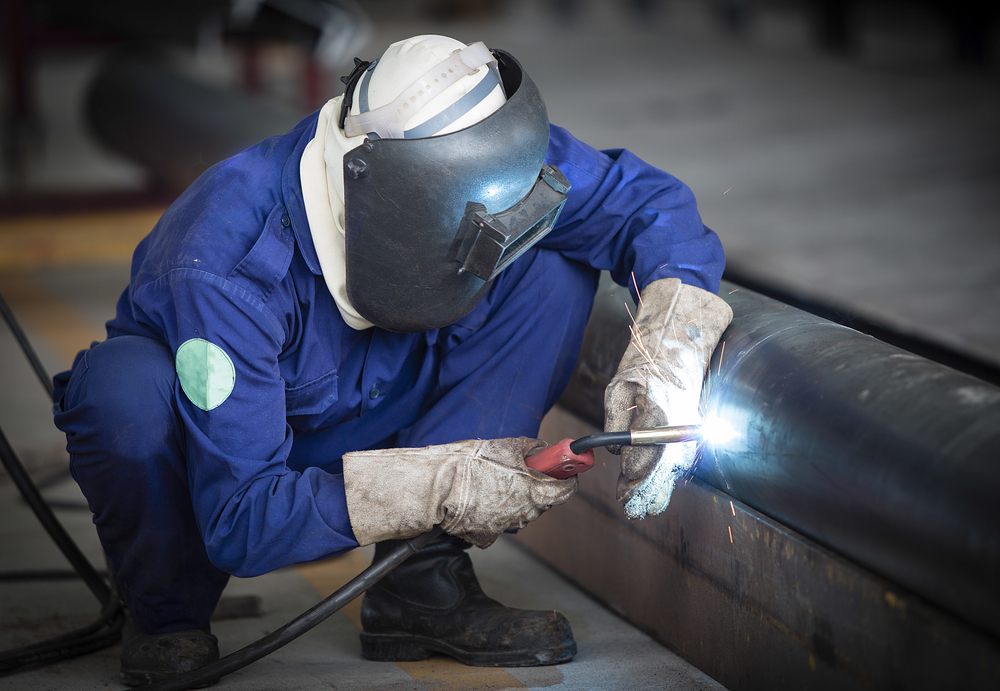
Gas welding uses a fuel gas, most commonly acetylene, combined with oxygen to produce a flame hot enough to melt and join metals. Oxy-acetylene welding is the version most tradespeople learn first.
Compared with electric welding methods like MIG, TIG, and stick (arc) welding, gas welding is mechanically simpler. There is no mains power requirement, the kit is portable, and the underlying physics are easier to teach. It is older than electric methods but still in active commercial use because there are jobs it does better than the alternatives.
Where Gas Welding Shines Commercially
Not every job belongs on a gas torch. But several do, and these are the ones that drive real revenue for small businesses.
- Artistic metalwork and architectural fabrication. Gas welding gives slow, controllable heat that suits decorative work, sculptural pieces, and custom railings or screens. The aesthetic finish is part of the value proposition, and skilled artistic welders have built strong direct-to-customer businesses through Instagram and Etsy commissioning.
- Brazing and lead jointing of copper and brass pipework remains standard practice in some plumbing applications, and gas torches are the tool.
- Automotive restoration. Vintage panel work, hot-rod fabrication, and classic-car bodywork often need the gentle, controllable heat input of a gas torch. Modern electric methods can be overkill for thin sheet metal.
- Remote and off-grid work. Without mains power, oxy-acetylene is one of the few welding options that simply works. Useful for farm repairs, remote construction, and disaster recovery.
- Repair and one-off work. The portability and lower kit cost make gas welding viable for the small operator who needs to do a wide variety of small jobs without owning multiple welder types.
The Australian Training Pathway
Gas welding is one of the more accessible welding methods for an adult learner. TAFEs and registered training organisations across Australia offer short courses, often as a starting point for broader welding qualifications. Certificate III in Engineering – Fabrication Trade (MEM30319) is the standard apprenticeship-route qualification, which includes oxy-acetylene welding modules alongside electric methods. For adults reskilling without a full apprenticeship, shorter trade-specific tickets and supplier-led training are available.
Practical hours matter more than classroom hours. Many welders also build these practical fabrication skills through combination welding programs that provide hands-on technical training in MIG, TIG, stick, oxy-fuel welding, cutting techniques, and shop safety for real-world fabrication and repair environments. The skill is in torch control: managing the flame, the angle, the rod feed, and the heat input simultaneously. It is not difficult to start, but mastery takes time. The torch control developed in gas welding transfers directly to oxy-cutting and brazing, broadening the work types a small business can take on without buying a second piece of major equipment.
What the Equipment Actually Costs
A reasonable starter rig includes oxygen and acetylene cylinders, regulators for both, hoses, a torch handle with assorted welding and cutting tips, flashback arrestors, and safety equipment such as welding goggles, a leather apron, gauntlets, and a fire-resistant jacket.
Realistic upfront investment for a quality setup sits in the low thousands of dollars. Premium torch handles and regulators cost more, but they last longer and are safer to operate. Cutting corners on safety equipment is the single most common false economy in this space.
The Ongoing Cost Most New Operators Underestimate
Most new tradespeople focus on the upfront kit cost and forget that the bigger long-term line item is the gas supply itself. Cylinder rental or hire fees are charged monthly or annually by most suppliers, gas refills are charged per cylinder swap, and consumables like tips, hoses, regulators, and flashback arrestors all wear out and need replacing on a schedule.
The biggest cost lever for a small fabrication business is supply reliability, not the cheapest cylinder price. A supplier who misses a delivery costs you a day’s work and possibly a client; a supplier who shows up consistently with the right gas and the right paperwork is worth a small premium every time. Reputable Australian gas suppliers publish their welding gas range, equipment options, and applications online, and this guide to gas welding is a useful starting reference for the technical side.
Compliance and Insurance
Operating a welding-based business in Australia involves a handful of compliance items that are easy to manage but cannot be skipped.
- Cylinder storage and handling needs to meet AS/NZS standards. Cylinders upright, secured, ventilated, away from ignition sources, never inside a sealed enclosure.
- Public liability and product liability insurance are essential. Standard policies for trade businesses cover most situations, but it pays to read the exclusions on hot work coverage.
- Local council compliance for any permanent installation, especially if you are converting a residential garage into a workshop.
- Workplace health and safety obligations apply from the first employee onwards. Even for a solo operator, a written safety procedure for hot work is good business practice.
Building Gas Welding into a Viable Business Model
The opportunity for a small business is rarely in competing on volume with established fabricators. It is in finding a niche where the gas welder’s strengths, portability, finesse, lower kit cost, and lower overhead, become competitive advantages.
Subcontracting to bigger fabricators is one route. Specialty repair work, particularly in restoration, heritage architecture, agricultural equipment, and marine, is another. A growing channel is direct retail through Instagram and online marketplaces, where custom artistic metalwork commands premium prices that justify the slow, careful approach gas welding allows. Specialty restoration and custom-fabrication work routinely bills above general fabrication rates, which is what makes the niche viable for a skilled solo operator.
Pairing gas welding with adjacent skills, such as TIG welding for stainless steel, brazing for HVAC and plumbing crossover, or basic CAD for one-off custom work, multiplies the job types a single operator can take on.
The Bottom Line for a Small Business Owner
Gas welding is not the future of welding. Electric methods dominate large-scale industrial fabrication, and that trend is not reversing. But for a small business operating in restoration, custom metalwork, plumbing, or remote work, gas welding is a real revenue line that is accessible to learn, modest to capitalise, and competitive in the niches it serves. Combined with a reliable supplier relationship and a clear business model, it remains one of the more underrated trades for an entrepreneur in 2026.
Find a Home-Based Business to Start-Up >>> Hundreds of Business Listings.