









































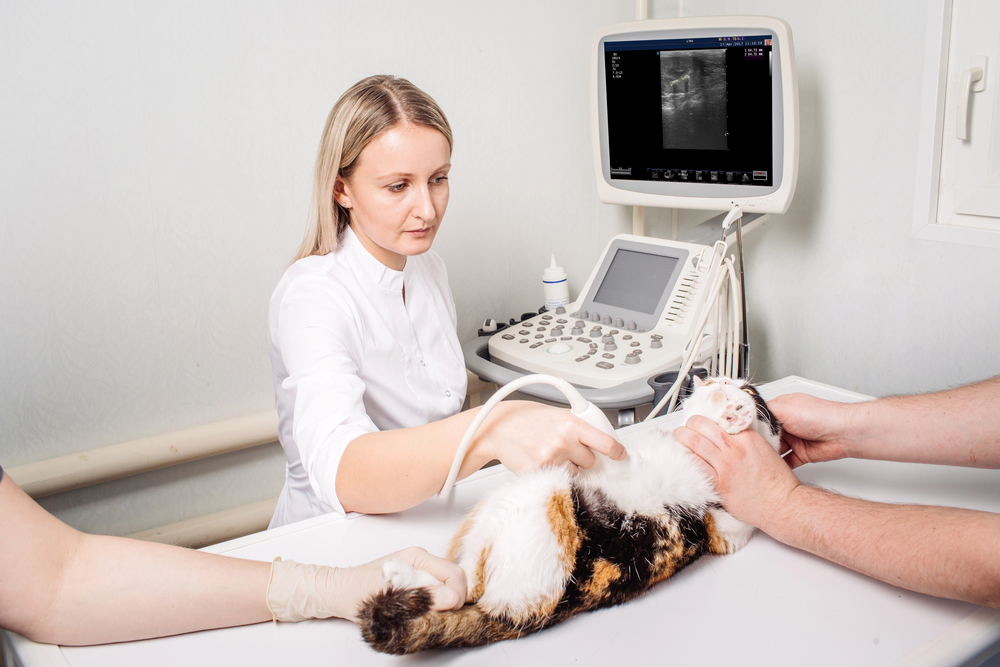
Ultrasound has become a core diagnostic tool in modern veterinary medicine. What used to be limited to specialist clinics is now widely accessible, with systems designed for everything from small animal practices to equine and farm visits. But investing in ultrasound isn’t just about buying a machine. It’s a decision that affects workflow, clinical capability, and long-term practice growth.
If you’re considering investing in ultrasound technology for your clinic, there are a few key factors worth understanding before making that investment.
Understanding the Role of Ultrasound in Your Practice
Before looking at specifications or pricing, it helps to define how ultrasound will actually be used in your day-to-day work.
For some practices, ultrasound is primarily a diagnostic tool for abdominal scans or pregnancy checks. For others, it becomes part of a broader imaging workflow, supporting cardiac exams, guided procedures, or emergency assessments.
The scope of use directly impacts the type of system you’ll need. A general-purpose unit may be enough for routine scans, while more advanced applications may require higher image quality, specialized probes, or additional software features.
Being clear on your clinical goals early on helps avoid overpaying for features you won’t use, or underinvesting in a system that limits your capabilities.
Choosing the Right Type of Ultrasound System
Veterinary ultrasound systems come in several formats, each suited to different environments and workflows.
Portable systems are a popular choice for practices that require flexibility, especially for mobile vets or those working with large animals. They offer a good balance between performance and convenience. Handheld devices are even more compact and cost-effective, but may come with limitations in image quality or functionality.
Cart-based systems, on the other hand, provide higher performance and are better suited to clinics with a steady volume of imaging cases. They typically offer better ergonomics, larger screens, and more advanced imaging modes.
If you’re unsure where to start, reviewing a detailed breakdown of the best veterinary ultrasound machine options available can help you understand how different systems compare in real clinical settings and which ones align with your needs.
Image Quality vs Budget: Finding the Balance
One of the most common challenges is balancing cost with performance. While it may be tempting to choose the most affordable option, image quality plays a critical role in diagnostic accuracy.
Poor resolution or limited depth penetration can make it difficult to interpret findings confidently, especially in more complex cases. Over time, this can lead to missed diagnoses or the need to refer cases elsewhere, which affects both patient outcomes and clinic revenue.
At the same time, not every practice needs a high-end system. The key is to match the machine’s capabilities to your most common use cases. For example, basic abdominal imaging requires less advanced technology than cardiac or musculoskeletal assessments.
A practical approach is to prioritise:
- Clear image resolution for your target species
- Reliable probe options
- Ease of use for your team
The Importance of Training and Skill Development
Even the most advanced ultrasound system is only as effective as the person using it. This is where many practices underestimate the investment required.
Ultrasound is highly operator-dependent. Image acquisition, probe positioning, and interpretation all require training and practice. Without proper education, it’s easy to misinterpret findings or miss subtle abnormalities.
Investing in structured learning, such as a dedicated veterinary ultrasound training program, can significantly improve diagnostic accuracy and confidence. It also helps your team build consistency in how scans are performed and interpreted.
Beyond technical skills, training improves workflow efficiency. Teams that are comfortable with ultrasound tend to integrate it more naturally into consultations, leading to faster decision-making and better patient outcomes.
Workflow Integration and Time Efficiency
Another important consideration is how ultrasound will fit into your existing workflow.
Introducing imaging into a busy clinic requires more than just setting up a machine. You’ll need to think about:
- Appointment scheduling for scans
- Time required for image acquisition and interpretation
- Record keeping and reporting
In many cases, ultrasound can actually improve efficiency by enabling faster diagnoses and reducing the need for referrals. However, this only happens when the process is well integrated and the team is confident in using the equipment.
Some practices start their investment in ultrasound technology by incorporating ultrasound into specific cases, such as emergency assessments or reproductive checks, before expanding its use more broadly.
Maintenance, Support, and Long-Term Costs
The initial purchase price is only one part of the investment. Ongoing costs can include maintenance, software updates, probe replacements, and potential repairs.
Reliable technical support is essential, especially when you are an investing in ultrasound technology, it becomes a key part of your diagnostic process. Downtime can disrupt operations and delay patient care, so working with a provider that offers responsive service and clear support options is important.
You may also want to consider whether a warranty or service plan is included, and what it covers over time.
Return on Investment for Your Practice
Ultrasound can be a strong revenue driver when used effectively. It allows you to offer additional services in-house, improve diagnostic speed, and enhance the overall level of care you provide.
Beyond direct revenue, it also contributes to client trust. Pet owners and animal handlers are more likely to value a practice that can deliver immediate insights without referring them elsewhere.
However, the return on investment depends on utilisation. A well-trained team using the equipment regularly will see far greater value than a clinic where the machine is rarely used.
Final Thoughts
Investing in ultrasound technology is a strategic decision that goes beyond choosing a device. It involves aligning your clinical needs, budget, and team capabilities to create a system that truly supports your practice.
By taking the time to evaluate how ultrasound fits into your workflow, selecting the right equipment, and prioritising training, you can turn this investment into a long-term asset rather than just another piece of equipment.
In the end, the goal isn’t just to own an ultrasound machine, but to use it effectively to improve patient outcomes and strengthen your practice as a whole.
Find a Home-Based Business to Start-Up >>> Hundreds of Business Listings.