






































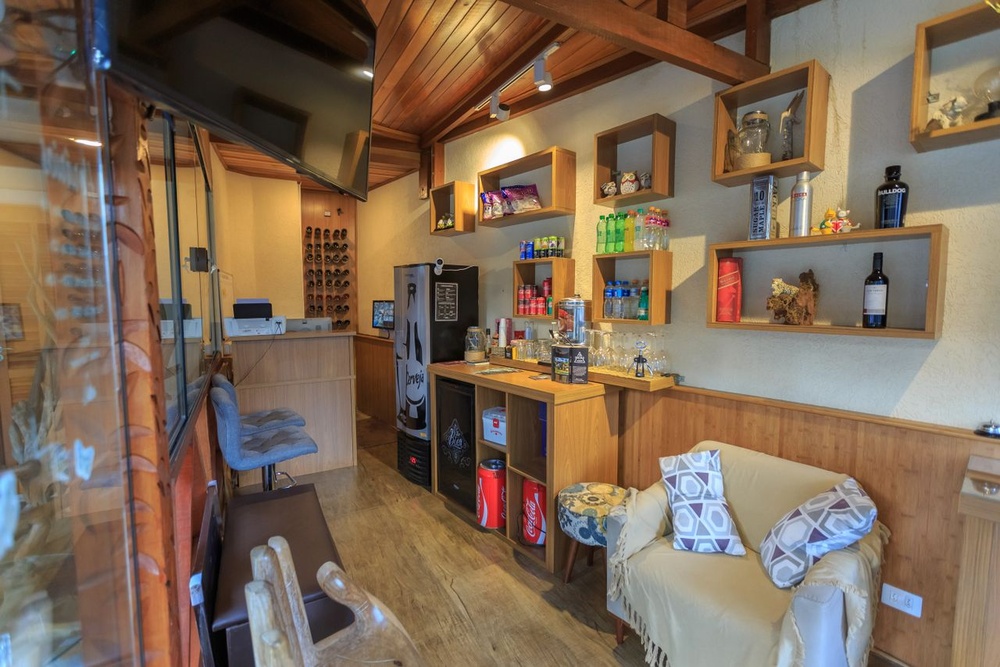



When most home businesses start, the workspace is an afterthought — a corner of the dining table, a converted closet, or the proverbial spare bedroom. It works, until it doesn’t. As revenue grows, inventory piles up, client calls multiply, and the line between “home” and “work” disappears, many owners hit a wall: they’ve outgrown their space but aren’t ready to rent a commercial office.
If that sounds familiar and you’re outgrowing the spare bedroom, building a dedicated workspace at home may be the smartest investment you make this year. Here’s how to think it through.
Signs You’ve Outgrown Your Current Setup
A few clear signals tell you it’s time to expand:
You’re regularly working in shared family spaces and can’t separate work from home life.
Video calls are interrupted by household noise, or you have nowhere private to take them.
Inventory, equipment, or paperwork has spread into closets, the garage, and beyond.
You’ve hired help or bring clients to your home and need a more professional environment.
Your productivity dips simply because the space doesn’t support focused work.
Cramped, distraction-filled environments quietly cost you money in lost focus and missed opportunities. A purpose-built space pays that back.
Your Three Main Options
Most home business owners choose one of three paths, depending on budget and available space:
Convert an existing room. The fastest, most affordable option. A formal dining room, basement, or outgrowing the spare bedroom can become a real office with proper lighting, electrical, soundproofing, and built-in storage. Best for businesses that mainly need quiet and organization.
Build a room addition. If you don’t have a spare room to give up, an addition adds square footage without forcing you to move. This is ideal for growing operations that need a permanent, separate work zone with its own entrance, climate control, and storage.
Add an ADU or convert the garage. Accessory dwelling units (ADUs) and garage conversions have exploded in popularity, especially in states like California that have loosened the rules. A detached studio gives you a true separation between work and home, can double as a guest space or rental later, and often adds significant resale value.
Key Things to Plan Before You Build
Before you fall in love with a layout, work through the practical realities:
Permits and zoning. Additions and ADUs require permits, and rules vary widely by city and county. Building without them can create costly problems when you sell. Confirm what’s allowed on your property early.
Budget and ROI. Set a realistic budget and weigh it against the return — both in productivity and in added home value. A well-built office addition or ADU frequently recoups much of its cost at resale.
Separation and focus. The entire point is to create a boundary. Prioritize a dedicated entrance, good insulation, and soundproofing so work stays work and home stays home.
Future-proofing. Build for where your business is going, not just where it is today. Extra outlets, stronger Wi-Fi, and flexible layouts cost little now and save renovations later.
Taxes and insurance. A dedicated business space may qualify for home-office tax deductions, and you should review your homeowner’s policy — a home-based business often needs added coverage.
Working With the Right Professional
A workspace project touches design, structural work, electrical, permits, and finish carpentry — which is why most homeowners don’t go it alone. Bringing in a design-build general contractor who can handle the design, permitting, and construction under one roof keeps the project on schedule and avoids the finger-pointing that happens when you hire each trade separately. Ask to see comparable projects, confirm licensing and insurance, and get a clear timeline and written estimate before work begins.
The Bottom Line
Your workspace shapes how you work. If your home business has outgrown the spare-bedroom phase, a thoughtfully built office, addition, or ADU can restore your focus, present a more professional face to clients, and add lasting value to your home. Plan the permits and budget carefully, build for the future, and partner with a contractor who’s done it before — and you’ll have a space that grows with your business instead of holding it back.
Find a Home-Based Business to Start-Up >>> Hundreds of Business Listings.