



































Running a home-based professional practice in healthcare, aesthetics, or wellness requires meeting the same rigorous sterilization standards as larger commercial facilities.
Investing in proper sterilization equipment protects your clients, builds professional credibility, and ensures compliance with health and safety regulations.
Key Takeaways
- Compliance is Non-Negotiable: Home-based practitioners must maintain sterilization standards equal to traditional clinics and salons.
- Compact Equipment Available: Modern benchtop autoclaves fit easily into home office or treatment room spaces.
- Client Safety and Trust: Professional sterilization equipment demonstrates commitment to hygiene and builds client confidence.
- Multiple Sterilization Methods: Different equipment options serve diverse home-based business needs from dental to aesthetic services.
- Long-Term Investment: Quality sterilization equipment pays for itself through improved client retention and compliance documentation.
Why Home-Based Practitioners Need Professional Sterilization
Home-based medical professionals, aestheticians, tattoo artists, nail technicians, and dental practitioners face unique operational challenges that make proper sterilization non-negotiable.
Working in a home environment never justifies compromising on hygiene standards that protect both your clients and your business reputation.
Professional sterilization equipment represents the foundation of a credible, compliant home-based practice that clients can trust.
Without proper sterilization systems, you risk client health issues, regulatory violations, negative reviews, and potential business closure.
Home-Based Businesses That Require Sterilization Equipment
Several types of home-based practitioners need reliable sterilization systems to operate safely and legally.
Dental hygienists, tattoo artists, piercing professionals, nail technicians, and aestheticians offering treatments like microblading or body piercing all require sterilization capabilities.
Home-based medical practices, minor injury clinics, veterinary services, and beauty therapy services with equipment-based treatments equally depend on proper sterilization systems.
These practitioners cannot ethically or legally operate without maintaining sterilization standards comparable to traditional facilities.
Understanding Autoclave Technology for Home Settings
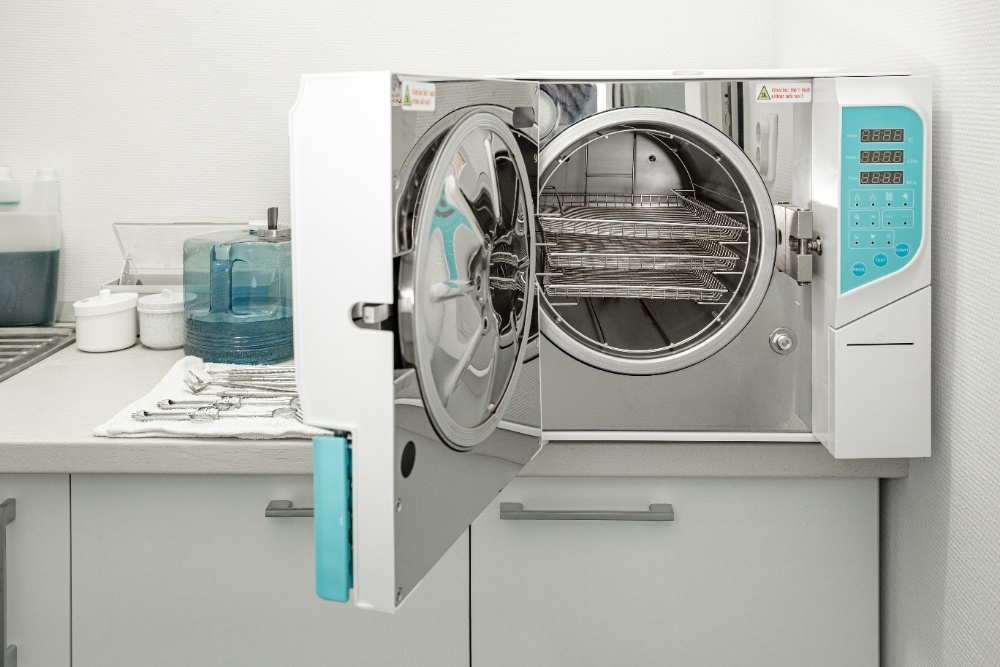
Laboratory autoclaves use high-pressure saturated steam to eliminate all microbial life, including bacteria, viruses, fungi, and spores, from instruments and materials.
The sterilization process typically occurs at temperatures between 121 and 134 degrees Celsius under pressure, eliminating contamination risks effectively.
Modern benchtop autoclaves designed for home-based businesses are compact, efficient, and fit easily into limited spaces without requiring special utilities.
These units provide the same reliable sterilization capability as larger commercial autoclaves while accommodating home office constraints.
Dry Heat Sterilizers: An Alternative Option
For materials sensitive to moisture or heat, dry heat sterilizers offer an effective alternative sterilization method using hot air instead of steam.
These units operate at higher temperatures, typically 160 to 180 degrees Celsius, over longer sterilization cycles than steam autoclaves.
Dry sterilizers work particularly well for oils, powders, certain metals, and sealed containers that moisture could compromise.
Many home-based practitioners benefit from maintaining both autoclave and dry sterilizer options to handle diverse material types.
Space Considerations for Home-Based Practices
Benchtop autoclaves designed specifically for small spaces solve the practical challenge of integrating sterilization equipment into home offices and treatment rooms.
These compact units deliver professional-grade sterilization in footprints resembling standard office equipment.
Proper placement near electrical outlets and away from heat-sensitive equipment ensures optimal performance and safety in home environments.
Ventilation considerations, though minimal with modern equipment, should influence placement decisions for long-term reliability.
Compliance and Documentation Benefits
Home-based practitioners must maintain detailed sterilization logs and documentation proving compliance with health and safety regulations.
Professional sterilization equipment simplifies this process by providing validated performance records and automated cycle documentation.
When regulatory bodies conduct inspections or clients request proof of sterilization practices, comprehensive documentation demonstrates your commitment to professional standards.
This documentation also protects your business legally by proving adherence to applicable regulations.
Client Confidence Through Professional Equipment
Clients evaluating home-based practitioners often worry about cleanliness and sterilization standards when treatments occur outside traditional commercial facilities.
Displaying professional sterilization equipment and explaining your sterilization process directly addresses these concerns and builds trust.
Many potential clients specifically ask about sterilization methods before booking, making your equipment and practices a valuable marketing asset.
Investing in visible, professional sterilization systems communicates that you take client safety as seriously as larger operations.
Choosing the Right Equipment for Your Practice
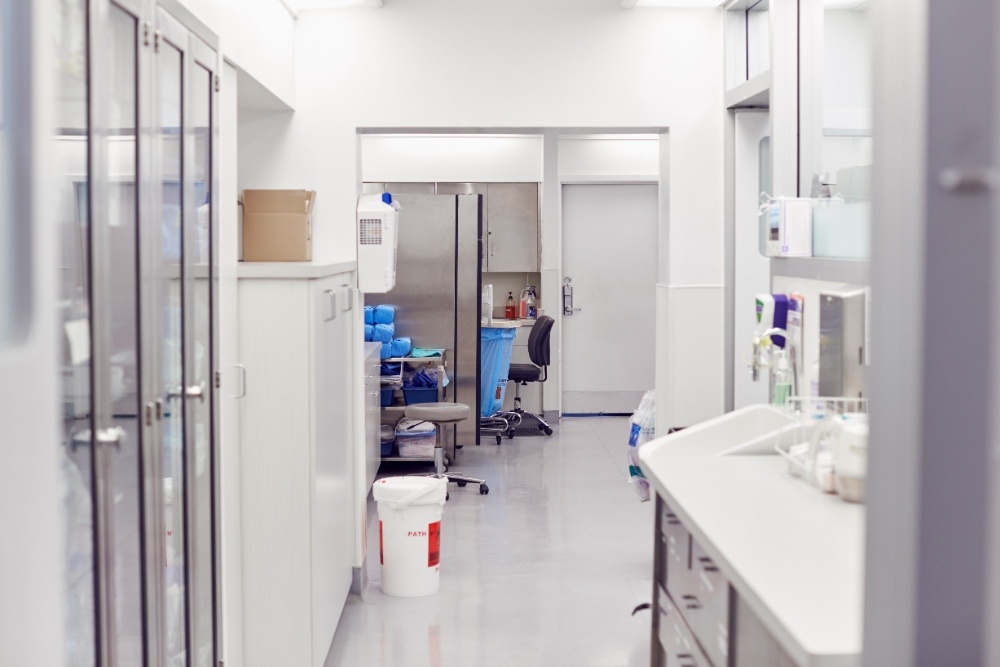
The correct sterilization equipment depends on your specific practice type, the materials you sterilize, space limitations, and budget constraints.
Dental practitioners typically need different specifications than tattoo or beauty therapy professionals, requiring careful equipment selection.
When you shop autoclaves online, you’ll find numerous options specifically designed for small professional practices, including dental, cosmetic, and therapeutic applications.
Consulting with equipment specialists helps identify solutions matching your particular sterilization requirements and space constraints.
Installation and Operational Considerations
Professional sterilization equipment installation in home settings must follow manufacturer guidelines and local electrical codes.
Most benchtop autoclaves require standard electrical outlets and basic water connections that home offices can accommodate easily.
Maintenance and Service for Long-Term Reliability
Regular maintenance keeps sterilization equipment performing reliably and prevents costly breakdowns.
Basic maintenance includes cleaning, water quality monitoring, and periodic professional servicing to maintain performance standards.
Financial Considerations and Return on Investment
Quality sterilization equipment represents a significant business investment but is essential for practice operation.
Many home-based practitioners recover equipment costs within the first year through improved client retention and positive reviews.
Making the Purchase Decision
Evaluating sterilization equipment requires comparing size, capacity, sterilization methods, automation features, certification levels, and price.
Reading reviews from other home-based practitioners provides insight into real-world performance and reliability in home office environments.
Taking time to select appropriate equipment prevents costly mistakes and ensures your practice maintains the professional standards necessary for long-term success and client safety.
Consulting with established practitioners in your field reveals what equipment they recommend and what problems they encountered.
Frequently Asked Questions
1. Can I Legally Operate a Home-Based Medical or Aesthetic Practice Without Proper Sterilization Equipment?
No, regulatory bodies require all practitioners performing treatments involving instruments to maintain sterilization standards regardless of facility location.
Operating without proper sterilization equipment violates health and safety regulations and exposes you to legal liability, fines, and practice closure.
Professional sterilization equipment is not optional but rather a fundamental business requirement.
2. What Size Autoclave Is Appropriate for a Home-Based Practice?
Most home-based practitioners benefit from benchtop autoclaves with chamber capacities between 12 and 30 liters, accommodating typical instrument loads without requiring excessive space.
Chamber size should match your average daily sterilization volume without forcing you to run multiple cycles for routine needs.
Consulting with equipment providers helps identify the optimal size for your specific practice requirements.
3. How Often Do I Need to Calibrate and Service My Sterilization Equipment?
Most professional organizations recommend annual calibration and validation testing to ensure that sterilization equipment performs at specified standards.
Regular preventive maintenance beyond annual calibration helps prevent breakdowns and extends equipment lifespan significantly.
Following manufacturer guidelines and establishing relationships with service providers ensures your equipment maintains regulatory compliance.
4. Are Benchtop Autoclaves Difficult to Install and Operate in Home Offices?
No, benchtop autoclaves are specifically designed for simple installation and operation in compact spaces, including home offices.
Most units require only standard electrical outlets and basic water connections that existing home infrastructure accommodates easily.
Manufacturer training and documentation help operators quickly master the equipment and maintain proper sterilization protocols.
Find a Home-Based Business to Start-Up >>> Hundreds of Business Listings.