




































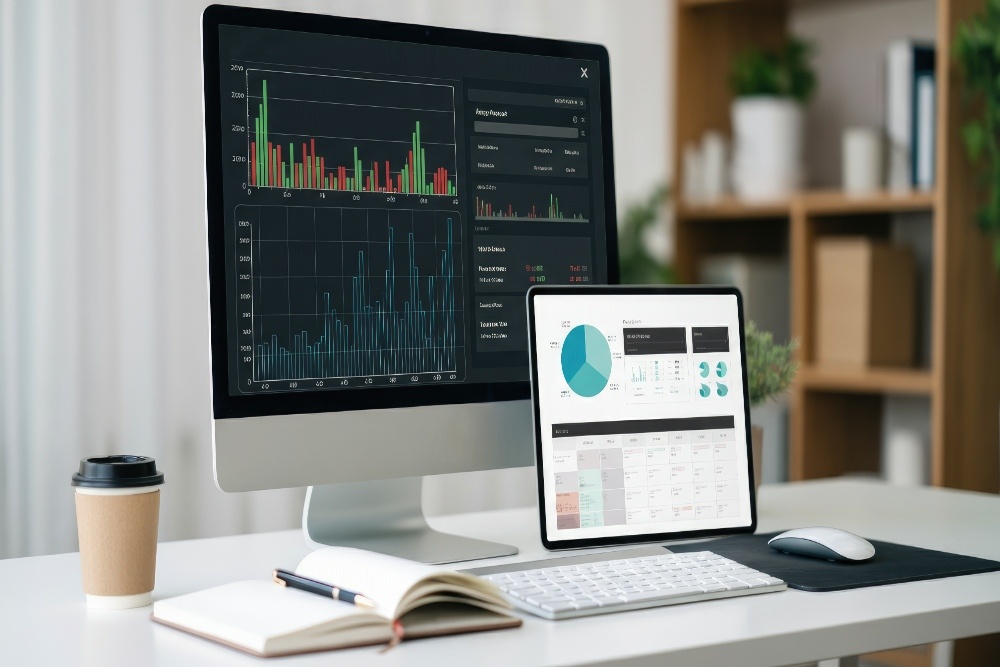
Businesses generate enormous amounts of data every day. Every customer purchase, website visit, or daily operational record provides data that businesses can use for decision-making. Now, these data points are just numbers unless they are properly analyzed and interpreted. This is why every business needs data analytics.
Data analytics software solutions turn these numbers into meaningful insights that businesses can use for decision-making. Data analytics improves customer experience, reduces operational costs, and helps businesses plan for future growth. If you want to know the true impact of data analytics in a business, this article is here to help you.
What Is Data Analytics?
Data analytics collects, processes, and organizes data so that it is easy to interpret and find answers to different questions. It allows businesses to make decisions based on information rather than intuition.
Humans generate data in abundance. According to a study, we generate 402.74 million terabytes of data daily. This abundance of data is put to good use through a data analytics software solution. Most strategic decisions about a business can’t simply rely on gut feeling. This is where data analytics becomes crucial. Let us now look at the several benefits of data analytics in the section below.
Benefits of Data Analytics
Data analytics is important for strategic business decision-making. It makes every decision substantial and backed by facts and information, rather than based just on intuition. Here is why it is so important:
1. Improve Operational Efficiency:
Data collected on the supply chain, production, equipment, and maintenance can help organizations understand the causes of production delays, failures, and bottlenecks. This information helps organizations make better decisions regarding different aspects of operations.
For example, when a vendor is unable to meet growing demand and causes unnecessary delays for the organization, stakeholders can change or supplement the service provider during periods of high demand. For the retail industry, the high-demand period would be the holiday season.
Data analytics also helps companies that are struggling to manage their inventories. With data analytics software, they can identify high-demand seasons and prepare for them.
2. Helps Mitigate Risks:
Organizations can use data analytics to understand the hazards they face and implement strategies to prevent them. Businesses have to face several risks every day. The risks include cybersecurity threats, legal liabilities, employee safety, workplace hazards, and much more.
When you have data that flags these vulnerabilities and their impact on your business, you can allocate sufficient resources to protect against them. So, if the employees of your organization are increasingly receiving phishing emails and other cyber threats, you can use data to analyze the root cause and find a solution.
3. Predicts Future Demand:
Predicting future demands, especially in industries such as retail, is important. Accurate analysis helps businesses maintain appropriate inventory levels, which in turn improves customer satisfaction.
Data analytics software can be used to analyze past demand and historical trends to predict future demand. This type of data analysis is known as predictive analytics, which helps forecast the point-of-sale level.
4. Improves the Security
Data analytics helps improve an organization’s data security. Every business faces data security threats. With the help of data analytics, they can diagnose these data breaches and improve the outcomes of the implemented cybersecurity measures.
The IT department can use statistics even to predict future attacks. The data analytics software can detect abnormal behavior and take appropriate measures to ensure safety.
5. Guides Business Decisions
Decision-making becomes more informed when organizations use data analytics. Predictive analysis suggests what can possibly happen if a business implements a new strategy in its operations. For example, if you are planning to change a product’s price and want to understand how it will affect customer demand, you can use data analytics to visualize the results.
Conclusion
Data analytics helps businesses make decisions based on information, facts, and data. Although instincts can help an organization make decisions, they can also lead to major blunders. Whereas, when you study, organize, and analyze the raw data, your decisions are backed by information that helps you predict the future and act in the present accordingly.
Find a Home-Based Business to Start-Up >>> Hundreds of Business Listings.