







































The success of a business depends on how well it can interact with its customers. Quality products matter a lot, no doubts here, but if communication is weak or unsatisfying, people simply won’t progress to the stage of placing an order.
Small businesses have a bigger advantage in this regard. They can personalize their communication to its core; the question is, how to do it?
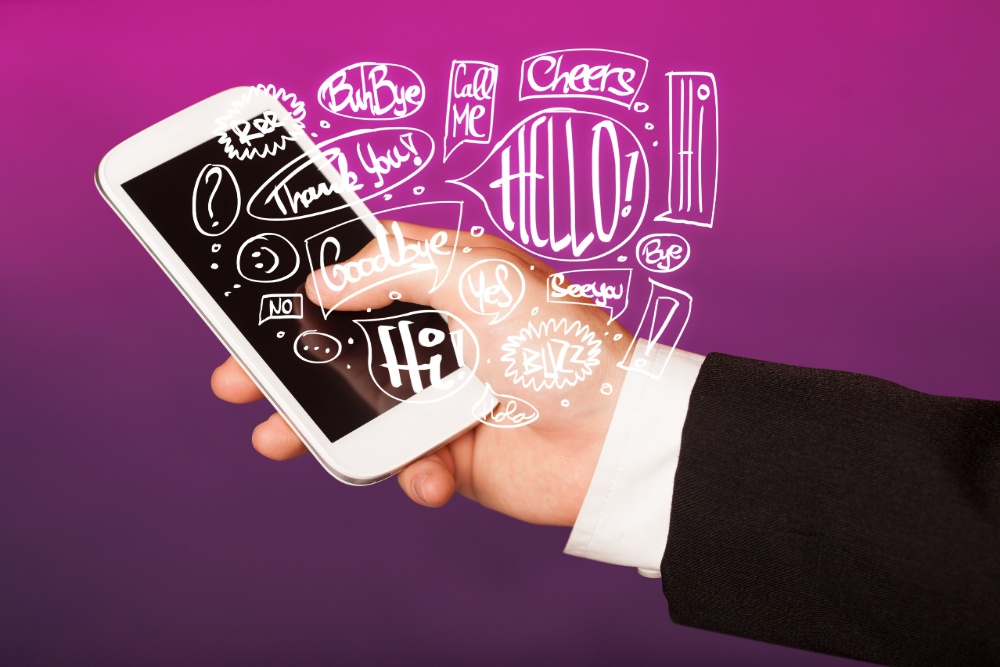
In 2026, lean teams have begun to reclaim the practice of business texting for customer engagement. Find out why it’s happening and how texting can help secure more customers.
Why Business Texting Works Again
In the age of social media, it’s easy to believe that texts have become outdated. However, as practice shows, people often find getting a personalized SMS preferable to receiving yet another spammy email. Successfully optimized business texting for small teams can boost customer engagement rates twice or even three times as much as email outreach or other forms of marketing. There are four main reasons for this, so let’s explore them one by one.
Omnipresence and Accessibility
Texting is more universal, since anyone with a phone can receive an SMS. This is what makes it efficient:
- You don’t need a special app, account, or even Internet access for an SMS; this guarantees that the moment a business sends a text, the recipient is bound to see it.
- SMS texts know no demographics: they are available to every single group. Even older customers know how to read an SMS, while younger people easily rely on them when needed.
- Lean teams can use texts for everything, including reminding a client about an appointment, offering a discount, congratulating them on their order, and so on.
Even people who hate the Internet or have no idea how to browse and install apps find SMS accessible. This fact alone makes it a powerful marketing tool that boosts client engagement.
Immediate Visibility and High Open Rates
Business SMS open rates remain consistently high; more than that, they keep growing steadily. Unlike emails, they are next to impossible to ignore, which gives teams an opportunity to achieve immediate visibility.
- Texts arrive less often than social media messages and app alerts. This makes them cut through the feed and inbox clutter people are used to ignoring; many feel curious enough to check the new SMS out.
- Most SMSs are read minutes after delivery because people carry their phones with them at all times. If businesses have something urgent to say, this is the best way to ensure visibility.
- Many people mute or outright block messages from unknown numbers on social media. This doesn’t apply to texts, which increases the chance of an SMS being opened.
If you have a sale or want to tell the client their order is ready, SMS is the most efficient way to reach them.
Easily Scalable Personalization
Modern customers require stronger and stronger personalization. Just using someone’s name no longer cuts it: people are interested in authentic connections, and business texting can help with it because SMS can be tied to a specific client’s activity.
- If a customer has just left your gym, you can send them a follow-up message 10 minutes later, expressing the hope to see them soon, praising their effort, and suggesting relaxing for a bit.
- Once a person checks in as they visit your company, you can start sending them relevant updates. They won’t have to check their email to see anything; you’ll be reaching out directly, creating a sense of physical presence.
- Urgency can also be personalized via texts. Sending a reminder two hours before an event feels more personal and real than an email sent a day in advance with no knowledge of whether the person will check their inbox.
Texts are flexible, too, so you can add emojis and anything else to make your SMS stand out.
Speed and Efficiency
For lean teams, speed is everything, and SMS can provide results the fastest without requiring much effort. Modern texting platforms are integrated with CRMs, so you can keep all data in one place and use it as needed.
This is what matters the most:
- Messages tend to be short, something clients often favor. You’ll spend less time creating them, and clients will spend less time reading them.
- Even the most personalized SMS can be automated, so you’ll be able to schedule reminders and follow-ups the way you see fit.
- Since updates can be sent practically in real time, with instant visibility, you can keep your clients informed and save time you would otherwise spend on phone calls or chats.
Clients often reach out on their own if they have additional questions. You might have already sent a clarification email, but they won’t always see it, wasting their time and the time of your operators. Texts get read almost instantly, so clients won’t have a chance to miss them even if they try.
Challenges to Watch Out For
While business texting is undeniably powerful for customer engagement, it still comes with certain problems. Make sure to watch out for them to avoid negative outcomes.
- Message fatigue. Overmessaging is always a bad idea, so you need to establish how often to make contact.
- Tone and professionalism. It might be a challenge for a lean team to find the right tone that sounds both friendly and compelling.
- Opt-in compliance. Some clients might decline to receive SMS; it’s important to respect their wishes and anticipate their response.
Business texting is a smart way to connect with your customers. It’s quick, highly efficient, and personalized, and people show a more positive response to it than they do to emails.
Still, you need to be careful, so don’t spam clients with constant texts. Use a measured, friendly tone, and take all the complaints into account.
Find a Home-Based Business to Start-Up >>> Hundreds of Business Listings.