








































Texture is one of the most important design elements in interior design, yet it is often overlooked when homeowners focus only on color palettes, furniture, or layouts. A room can have beautiful colors and expensive furniture but still feel flat or unfinished if texture is missing.
In interior design, texture refers to the way surfaces look and feel. Some textures are physical and tactile, such as rough wood grain, soft linen, or smooth marble. Others are visual, meaning they create the appearance of depth and variation even if the surface itself feels smooth.
When used intentionally, texture helps create warmth, dimension, contrast, and balance. It gives rooms personality and prevents interiors from feeling overly sterile or one-dimensional.
Why Texture Matters in Interior Design
Texture influences the overall atmosphere of a room more than many people realize.
Texture Adds Depth and Dimension
One of the main purposes of texture is to create visual depth. Rooms filled with only smooth, flat surfaces often feel cold or lifeless.
Layering different materials and finishes helps create contrast and movement throughout the space. A textured rug against hardwood flooring or matte walls paired with polished stone surfaces immediately adds more visual interest.
Even subtle texture changes can dramatically improve how finished a room feels.
Texture Influences Mood and Comfort
Texture also affects the emotional feel of a space.
Soft textures like boucle, velvet, wool, and linen tend to create warmth and comfort. Harder textures such as stone, concrete, metal, and glass often create a cleaner or more modern appearance.
Balancing soft and hard textures helps rooms feel both comfortable and visually grounded.
Texture Helps Balance Minimalist Spaces
Modern and minimalist interiors continue to be popular, but without texture, minimalist spaces can sometimes feel too stark.
Texture helps soften clean-lined spaces without adding unnecessary clutter. A neutral room with layered materials often feels far more inviting than a room relying on color alone.
The Difference Between Visual and Tactile Texture
Understanding the difference between visual and tactile texture helps create more balanced interiors.
Tactile Texture
Tactile texture refers to surfaces that can physically be felt.
Examples include:
- Rough wood grain
- Soft upholstery
- Stone surfaces
- Woven fabrics
- Leather seating
- Textured ceramics
These materials create sensory depth and make interiors feel more natural and lived-in.
Visual Texture
Visual texture refers to surfaces that appear textured visually even if they feel relatively smooth.
Examples include:
- Patterned wallpaper
- Limewash finishes
- Decorative paint techniques
- Fluted wall panels
- Veined stone patterns
- Layered textiles
Visual texture creates movement and depth without necessarily changing the physical feel of the room.
Why Combining Both Creates Better Design
The most balanced interiors usually combine tactile and visual texture together.
For example, a room may pair soft linen curtains with textured wall finishes, smooth countertops, matte cabinetry, and woven decor accents. The combination creates contrast while still feeling cohesive.
How to Add Texture Through Walls and Paint Finishes
Walls are one of the largest surfaces in a room, making them an important opportunity for adding texture.
Limewash and Venetian Plaster Finishes
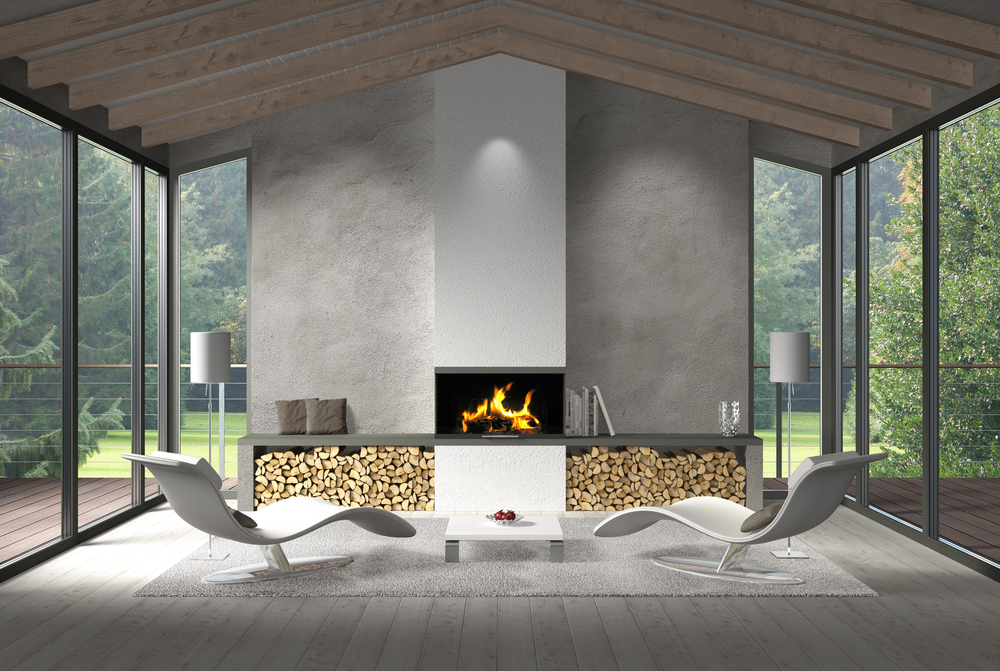
Limewash and Venetian plaster finishes have become increasingly popular because they create soft movement and depth across walls.
These finishes reflect light differently throughout the day, helping walls feel more dynamic and layered compared to flat paint alone.
Subtle imperfections and tonal variation are often what make these finishes visually appealing.
Matte Paint vs. Glossy Paint
Paint sheen also affects texture perception.
Matte finishes absorb light and create a softer, more muted appearance. Glossy finishes reflect more light and create a smoother, more polished effect.
Using different paint finishes strategically can help emphasize or soften architectural details throughout a room.
Accent Walls and Architectural Panels
Architectural wall treatments are another effective way to introduce texture.
Examples include:
- Wood slat walls
- Decorative molding
- Fluted panels
- Stone accent walls
- Textured wallpaper
Homeowners looking to create more depth through specialty wall finishes and professionally applied textures often work with experienced painting companies such as Cover Pro Painting for interior surface preparation and decorative finish applications.
Using Furniture and Fabrics to Create Texture
Furniture and textiles are often the easiest way to introduce texture into a room.
Layering Upholstery Materials
Mixing upholstery materials helps create visual balance and variety.
Common combinations include:
- Linen with leather
- Velvet with wood
- Boucle with metal accents
- Cotton paired with woven materials
Layering different materials prevents furniture from blending together visually.
Rugs, Curtains, and Throw Pillows
Textiles help soften interiors while adding warmth and dimension.
Area rugs, curtains, and pillows create opportunities to introduce layered fabrics, patterns, and tactile surfaces without making permanent changes to the room.
Even neutral-colored textiles can add significant visual interest through texture alone.
Mixing Smooth and Rough Surfaces
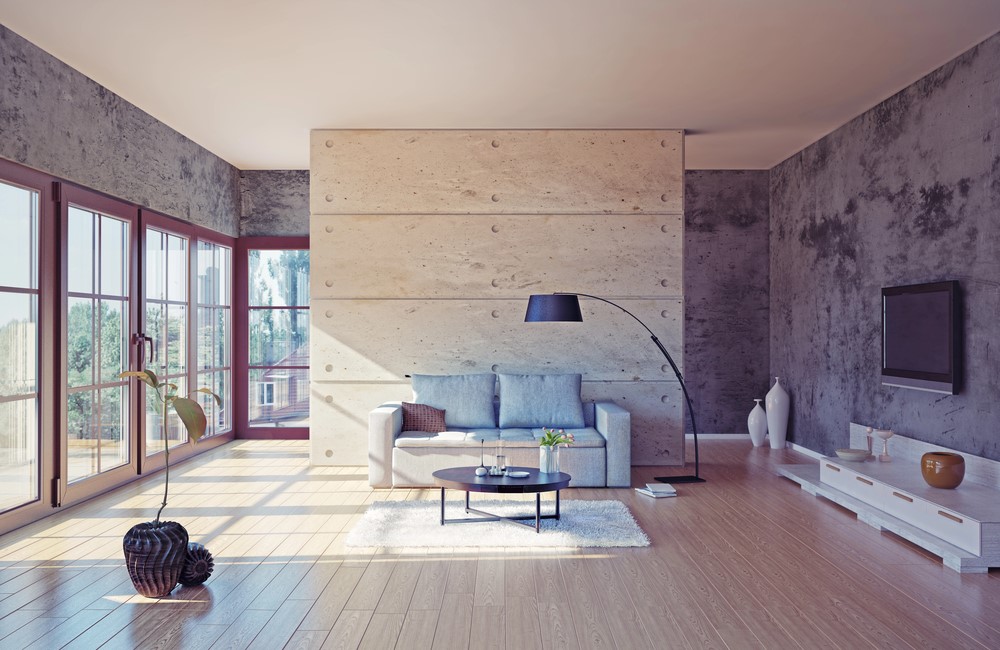
Good interior design often balances contrasting textures.
For example:
- Smooth marble with reclaimed wood
- Soft fabric against matte black metal
- Sleek cabinetry paired with natural stone
Contrast helps each material stand out more effectively.
How Natural Materials Add Texture to a Space
Natural materials continue to play a major role in interior design because they add warmth and authenticity.
Wood, Stone, and Brick
Wood grain, natural stone veining, and exposed brick all introduce organic texture into a room.
These materials help interiors feel grounded and timeless rather than overly manufactured.
Even small natural accents can soften modern spaces significantly.
Natural Fibers and Handmade Decor
Decor made from natural materials often adds subtle texture without overwhelming the space.
Popular textured materials include:
- Rattan
- Jute
- Woven baskets
- Handmade pottery
- Linen fabrics
- Wicker furniture
These elements help rooms feel more layered and relaxed.
Textured Flooring Options
Flooring itself also contributes heavily to overall texture.
Wide-plank hardwood, stone tile, textured concrete, patterned rugs, and natural finishes all affect how a room feels visually and physically.
How Lighting Affects Texture in Interior Design
Lighting plays a major role in how texture appears throughout a room.
Natural Light Enhances Surface Detail
Natural light helps reveal subtle surface details by creating highlights and shadows.
Textured walls, fabrics, wood grain, and stone surfaces often become more visually dynamic as lighting changes throughout the day.
Layered Lighting Improves Depth
Combining multiple light sources helps enhance texture more effectively than relying on a single overhead fixture.
Layered lighting may include:
- Recessed lighting
- Wall sconces
- Floor lamps
- Accent lighting
- Pendant lights
Different lighting angles help emphasize depth and contrast.
Matte and Reflective Surfaces React Differently to Light
Matte finishes absorb more light, creating a softer appearance. Reflective materials bounce light around the room and create a brighter, more polished feel.
Balancing both helps interiors feel visually complete.
Common Texture Mistakes to Avoid
While texture is important, too much texture can also create problems.
Using Too Many Competing Textures
Too many bold textures in one room may feel chaotic or visually overwhelming.
The goal is balance, not constant contrast.
Creating Rooms That Feel Too Flat
On the opposite end, rooms filled entirely with smooth surfaces may lack warmth and depth.
Minimal spaces still benefit from layered fabrics, natural materials, and varied finishes.
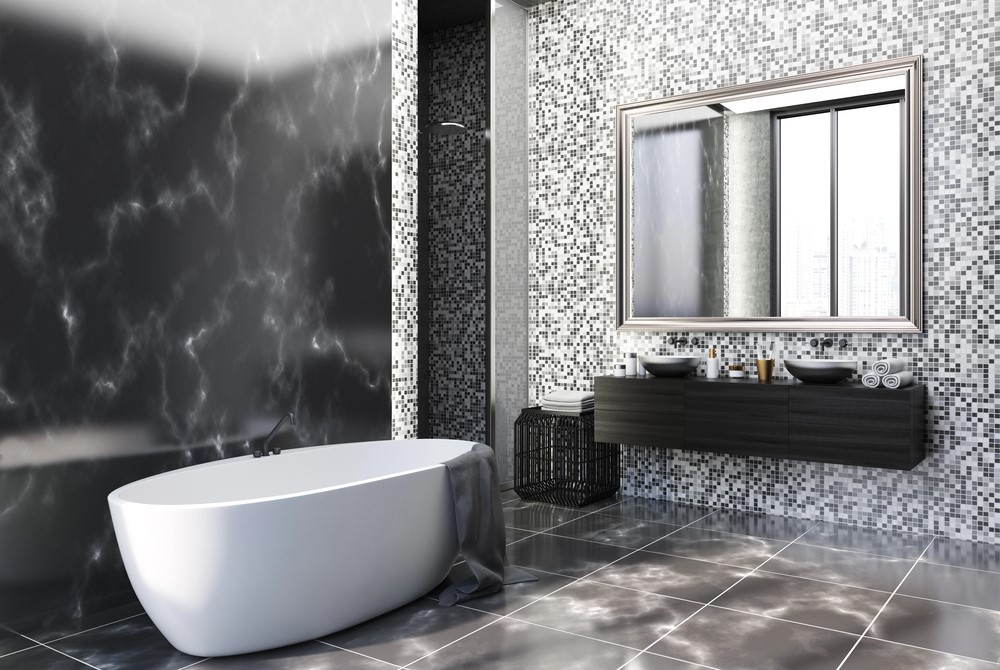
Ignoring Scale and Proportion
Large textures and small textures should work together proportionally.
Oversized patterns or heavily textured materials can dominate smaller rooms if not balanced carefully.
How Texture Fits Into Larger Home Design Projects
Texture becomes even more important during full-home renovations or large interior design projects.
Coordinating Texture Throughout the Home
Consistent texture choices help rooms feel connected instead of disconnected.
For example, repeating similar wood tones, wall finishes, or fabric styles throughout the home creates visual continuity.
Combining Architectural and Decorative Texture
Some textures are built directly into the structure of the home through:
- Flooring
- Cabinetry
- Wall finishes
- Ceiling details
- Millwork
- Stone surfaces
Decorative textures then build on top of those foundational materials.
Designing Spaces That Feel Cohesive and Lived-In
The best interiors often feel layered gradually rather than overly designed.
For homeowners planning larger renovations or design-focused remodels, companies such as Skyline Design Build may help coordinate materials, finishes, architectural details, and overall interior design flow throughout the home.
Final Thoughts on Using Texture in Interior Design
Texture is one of the elements that gives a room personality, warmth, and depth. Without it, even well-designed spaces can feel incomplete or overly flat.
Fortunately, adding texture does not always require major renovations. Paint finishes, fabrics, lighting, wood, stone, wall treatments, and layered materials can all help create a more balanced and visually interesting interior.
The most successful interiors usually combine contrast and cohesion thoughtfully. By layering textures intentionally instead of randomly, homeowners can create spaces that feel comfortable, refined, and visually inviting for years to come.
Find a Home-Based Business to Start-Up >>> Hundreds of Business Listings.