







































When it comes to medicines and supplements, what’s on the outside matters just as much as what’s on the inside. The right packaging does more than hold pills and liquids in place. It protects patients, prevents accidents and keeps your products compliant with the regulations that govern healthcare worldwide.
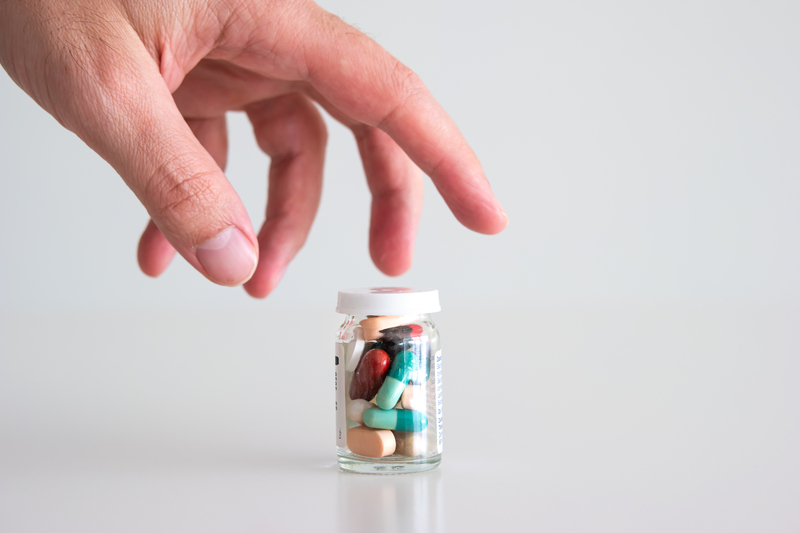
Every year, far too many children end up in emergency care after getting into medication that wasn’t stored or sealed safely. A single moment of curiosity can turn dangerous fast. That’s exactly why thoughtful, well-designed packaging is so important. It’s your first line of defence against accidental ingestion, and it’s a powerful way to build trust with the people who rely on your products.
In this guide, we’ll walk through the best practices for drug safe packaging, why child resistant packaging plays such a vital role, and how you can balance safety, accessibility and compliance without compromise.
Why Drug Safe Packaging Matters
Patient safety has become a central focus across every corner of the healthcare sector, and packaging sits right at the heart of it. Get it right, and you protect people. Get it wrong, and the consequences can be serious.
Accidental poisoning is one of the biggest risks linked to poorly designed packaging. Young children are naturally curious, and brightly coloured tablets or sweet-tasting syrups can look an awful lot like sweets. According to the World Health Organization, unintentional poisoning causes tens of thousands of deaths globally each year, with children under five among the most vulnerable. In the UK, thousands of children are admitted to hospital annually after swallowing medicines that weren’t out of reach or properly secured.
Beyond accidental ingestion, packaging also helps reduce medication errors. Clear dosing information, well-organised formats and easy-to-read labels all help patients take the right dose at the right time. That’s a win for everyone.
There’s also the matter of product efficacy. Medicines need to stay stable and effective from the moment they leave the production line until they reach the patient. Best practices for good drug safe packaging shield products from moisture, light, oxygen, and contamination throughout the supply chain, so the medicine works exactly as intended.
Understanding Child Resistant Packaging
So what exactly is child resistant packaging? In simple terms, it’s packaging designed to be significantly difficult for young children to open, while still allowing adults to access the contents without too much fuss. It’s a clever balancing act, and when done well, it saves lives.
Most child resistant packaging works by requiring two simultaneous actions to open. Think of the classic “push down and turn” cap. A small child usually lacks the coordination or strength to do both things at once, but an adult manages it with ease. Other mechanisms rely on squeezing, aligning or pressing specific points before the closure releases.
Here’s a common point of confusion worth clearing up. Child resistant packaging is not the same as tamper-evident packaging. Tamper-evident features, like seals and shrink bands, show whether a product has been opened or interfered with before purchase. Child resistant packaging, on the other hand, is all about preventing access by little hands. Many products use both, and that combination offers serious peace of mind.
This kind of protection isn’t just for prescription medicines, either. Vitamins, supplements and over-the-counter products can be just as risky if swallowed in large quantities. Iron supplements, for example, are a leading cause of poisoning in young children. That’s why child resistant packaging is increasingly expected across the entire pharmaceutical and nutraceutical landscape.
If you’d like to dig deeper, take a look at our pharmaceutical packaging solutions, our guidance on regulatory packaging requirements and our range of tamper-evident packaging products.
The Benefits of Child Resistant Bottles
When you picture safe medicine packaging, you probably picture a bottle. And for good reason. Child resistant bottles are one of the most trusted and versatile formats out there, used for tablets, capsules, liquid medicines and supplements alike.
Their biggest selling point is obvious: they’re built to keep young children out. The closure systems are specifically engineered to resist little fingers, dramatically lowering the risk of accidental ingestion. At the same time, they’re practical, durable and easy for adults to use day to day.
Child resistant bottles come in a wide range of materials, including various plastics and glass, so you can match the container to your product’s needs. Better still, they can be paired with tamper-evident features for an extra layer of protection. Safety and reassurance, all in one neat package.
Common Types of Child Resistant Bottles
Not all child resistant bottles work the same way. Here are the most popular closure systems you’ll come across:
- Push-and-turn caps: The classic. Users press down firmly while twisting, a two-step action that’s tricky for children but simple for adults.
- Squeeze-and-turn closures: These require squeezing the sides of the cap while turning, relying on coordinated grip strength to open.
- Snap-lock systems: Designed with locking tabs or catches that must be released in a specific way before the container opens.
- Certified child resistant closures: Closures that have passed rigorous testing and meet recognised safety standards, giving you documented proof of compliance.
Choosing the right closure depends on your product, your audience and the level of protection you need. The good news? There’s a child resistant solution for just about everything.
Regulatory Requirements and Compliance Considerations
Let’s talk rules, because there’s no getting around them. Complying with packaging regulations isn’t optional, and the standards are there for a very good reason.
In the UK, pharmaceutical packaging must meet strict requirements set out by the Medicines and Healthcare products Regulatory Agency (MHRA), alongside broader EU-aligned standards. Internationally, child resistant packaging is typically tested against recognised benchmarks such as ISO 8317 (for reclosable packaging) and the US standard 16 CFR 1700.20. These standards involve real-world testing with panels of children and adults to confirm that packaging is genuinely difficult for kids to open yet accessible for grown-ups.
Certification is a crucial part of the process. Packaging must be tested and certified to prove it performs as claimed, and you’ll need to keep thorough documentation to demonstrate compliance during audits or inspections.
Labelling matters too. Clear safety information, accurate dosing instructions and proper storage guidance all form part of a compliant package. Skipping these details isn’t just risky, it can land you in regulatory hot water.
Best Practices for Designing Drug Safe Packaging
Ready to get your packaging right from the start? These best practices for drug safe packaging will help you protect patients, satisfy regulators and build products people trust.
Prioritise Child Safety
Always start with child safety in mind. Incorporate proven child resistant features and choose closure systems that have been properly tested and certified. Don’t cut corners here, because this is the part that protects the most vulnerable.
Maintain Accessibility for Adults
Safe packaging shouldn’t be a wrestling match. Many users, especially older adults or those with reduced dexterity, can struggle with overly complicated closures. Senior-friendly design strikes the right balance, keeping children out while letting the people who need the medicine open it with ease.
Protect Product Integrity
Your packaging needs to defend the product inside. That means barrier protection against moisture, oxygen, light and contamination, all of which can degrade a formulation over time. Make sure your chosen materials are fully compatible with the pharmaceutical or supplement they’ll hold, so there’s no risk of unwanted reactions.
Include Clear Labelling
Good labelling saves lives. Include precise dosage instructions, prominent safety warnings and clear storage guidance. The easier it is to understand, the less chance there is of a costly mistake.
Conduct Thorough Testing
Never assume, always test. Put your packaging through child resistance testing, usability testing with adults, and transport and durability assessments. You want packaging that performs perfectly in the lab and out in the real world, surviving everything from warehouse handling to a busy household.
Choosing the Right Packaging Partner
Behind every great product is a great packaging partner. Choosing the right one makes all the difference between smooth sailing and constant headaches.
Look for a partner with genuine experience in pharmaceutical and healthcare packaging. They should know the compliance landscape inside out, from UK requirements to international standards, so you’re never caught off guard. Access to certified child resistant packaging solutions is essential, as is the ability to customise packaging to suit your specific products. Whether you’re packaging tablets, capsules or liquids, your partner should be able to deliver a solution that fits like a glove.
The best partners don’t just supply packaging. They become an extension of your team, helping you navigate regulations, optimise design and bring safer products to market faster.
Conclusion
Drug safety starts with the package, and the stakes couldn’t be higher. Investing in effective drug safe packaging protects patients, prevents accidents and keeps you firmly on the right side of regulatory compliance.
Child resistant packaging and child resistant bottles remain among the most reliable tools you have for reducing risk. They keep curious children safe, give families confidence and help ensure your products reach the people who need them in perfect condition. When safety, accessibility and compliance all come together, everybody wins.
Ready to make your packaging work harder? Partner with experts who understand both the science and the standards, and give your products the protection they deserve.
Find a Home-Based Business to Start-Up >>> Hundreds of Business Listings.