








































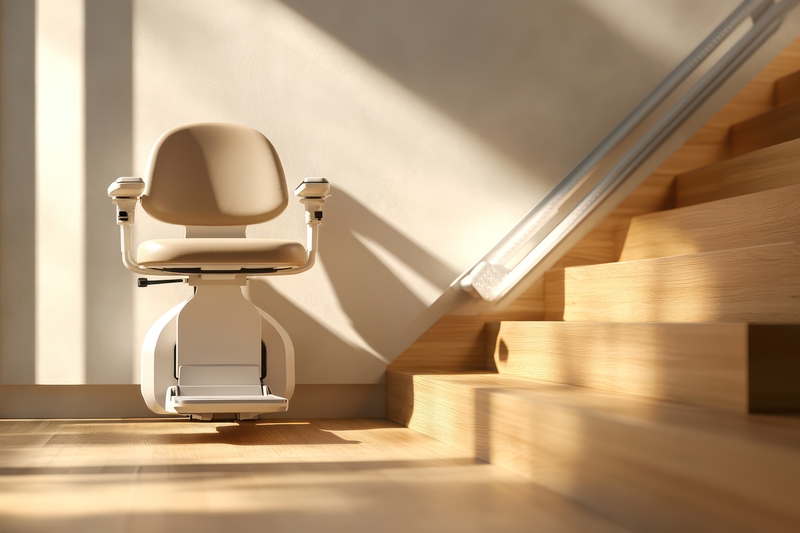
The stairlift market has experienced remarkable growth over recent years, driven by an ageing population and increased awareness of mobility solutions. Within this expanding sector, reconditioned stairlifts represent a particularly promising niche, offering accessibility at a more affordable price point whilst maintaining high safety and quality standards. Whether you’re an established mobility equipment dealer or considering entering this market, understanding the nuances of selling and hiring reconditioned stairlifts can significantly impact your success. This comprehensive guide explores the essential strategies and best practices for building a thriving business in this rewarding industry.
Understanding the Reconditioned Stairlift Market
Before diving into sales and hiring strategies, it’s crucial to grasp the unique characteristics of the reconditioned stairlift market. Unlike new equipment, reconditioned stairlifts appeal to budget-conscious consumers who still require reliable, safe mobility solutions. These products typically cost 40-60% less than new models, making them accessible to pensioners, families on limited incomes, and those requiring temporary solutions during recovery from surgery or injury.
The market encompasses both straight and curved stairlifts, though straight models dominate the reconditioned sector due to their standardised nature and easier refurbishment process. Understanding your target demographic—primarily individuals aged 65 and above, their adult children making purchasing decisions on their behalf, and occupational therapists recommending solutions—will inform every aspect of your business strategy.
Sourcing Quality Reconditioned Equipment
Success in this industry begins with procuring high-quality reconditioned stairlifts. Establish relationships with reputable suppliers who thoroughly inspect, repair, and certify their equipment. Look for suppliers who provide detailed reconditioning reports, replace worn components with genuine manufacturer parts, and offer warranties on their refurbished products.
Consider developing a trade-in programme where customers can exchange their old stairlifts when upgrading. This creates a steady supply of units for reconditioning whilst providing added value to customers. Ensure you have qualified technicians who can properly assess incoming equipment, identifying which units are suitable for reconditioning and which should be recycled for parts.
Quality control should never be compromised. Each reconditioned stairlift should undergo rigorous testing, including mechanical function checks, electrical safety testing, and load-bearing assessments. Maintaining meticulous records of all reconditioning work not only ensures compliance with regulations but also builds customer confidence.
Building Trust Through Transparency
Trust is paramount when selling mobility equipment, particularly reconditioned items. Many potential customers may harbour concerns about purchasing “second-hand” equipment, associating it with inferior quality or safety risks. Combat these perceptions through radical transparency.
Provide detailed information about your reconditioning process, including which components are routinely replaced, testing procedures, and safety certifications. Offer comprehensive warranties—ideally matching or approaching those available on new equipment. A 12-month parts and labour warranty demonstrates confidence in your product quality and provides customers with peace of mind.
Create informative materials explaining the reconditioning process, perhaps including before-and-after photographs or video documentation. Testimonials from satisfied customers, particularly those who have used their reconditioned stairlifts for extended periods, serve as powerful trust-building tools.
Mastering the Sales Consultation
The in-home assessment represents your most critical customer touchpoint. Approach these consultations with professionalism, empathy, and thoroughness. Remember that you’re often entering the homes of elderly or disabled individuals who may feel vulnerable or anxious about their changing mobility needs.
Begin by conducting a comprehensive staircase assessment when selling and hiring reconditioned stairlifts, measuring dimensions, noting obstacles, and evaluating weight requirements. However, equally important is listening to the customer’s specific needs, concerns, and lifestyle requirements. Does the individual live alone? Do they have visiting carers? What are their mobility projections for the coming years?
Present reconditioned options alongside new equipment, clearly articulating the benefits and limitations of each. Avoid pressuring customers towards reconditioned models solely because of higher profit margins; instead, genuinely match solutions to individual circumstances. Some customers may genuinely require features only available in newer models, whilst others will find reconditioned equipment perfectly suitable.
Provide clear, written quotations detailing exactly what’s included—equipment specifications, installation costs, warranty terms, and any ongoing maintenance packages. Transparency at this stage prevents misunderstandings and builds lasting customer relationships.
Developing a Successful Hire Programme
Hiring reconditioned stairlifts addresses a different market segment—those requiring temporary mobility solutions. This might include individuals recovering from surgery, families hosting elderly relatives, or those awaiting permanent equipment installation.
Price your hire rates competitively whilst ensuring profitability. Consider tiered pricing for different rental periods—weekly, monthly, and extended-term rates. Calculate costs to include equipment depreciation, maintenance, transportation, installation, and removal.
Streamline the rental process to respond quickly to customer needs when selling and hiring reconditioned stairlifts. Medical situations often arise suddenly, and the ability to install equipment within 48 hours can differentiate your business from competitors. Maintain a fleet of ready-to-install reconditioned stairlifts specifically designated for hire purposes.
Implement thorough inspection and maintenance protocols between rentals. Each returned unit should be cleaned, tested, and serviced before the next installation. This maintains equipment quality and ensures customer safety.
Marketing Your Reconditioned Stairlift Business
Effective marketing connects your services with those who need them most. Develop relationships with key referral sources including occupational therapists, hospital discharge coordinators, social services departments, and local Age UK branches. These professionals regularly encounter individuals requiring mobility solutions and value reliable suppliers they can recommend with confidence.
Maintain an informative website optimised for search terms potential customers might use, such as “affordable stairlifts,” “stairlift rental,” or “reconditioned stairlifts.” Include educational content about mobility solutions, the reconditioning process, and customer testimonials.
Traditional marketing remains effective in this demographic. Consider local newspaper advertising, community magazine features, and partnerships with residential care facilities. Sponsor local events for older adults or disability awareness initiatives to build brand recognition and demonstrate community commitment.
Ensuring Regulatory Compliance and Safety
Navigate the regulatory landscape carefully. Familiarise yourself with relevant British and European safety standards for stairlifts, including BS 5776 and EN 81-40. Ensure all reconditioned equipment meets current safety requirements, even if originally manufactured under previous standards.
Maintain appropriate business insurances, including public liability and professional indemnity coverage. Your installation technicians should hold relevant qualifications and receive ongoing training in both technical skills and customer service.
Implement robust record-keeping systems documenting every aspect of equipment reconditioning, installation, and maintenance. These records demonstrate due diligence and provide valuable protection should disputes or safety concerns arise.
Providing Exceptional After-Sales Service
Your relationship with customers shouldn’t end at installation. Offer comprehensive maintenance packages, prompt repair services, and ongoing support. Regular servicing ensures equipment longevity, customer safety, and opportunities for additional business through upgrades or referrals.
Respond quickly to service calls, particularly those involving safety concerns. An elderly customer stranded upstairs due to equipment failure faces a genuine emergency. Maintaining parts inventory and qualified technicians enables rapid response times that build customer loyalty and positive word-of-mouth reputation.
Conclusion
Success in selling and hiring reconditioned stairlifts requires balancing commercial acumen with genuine commitment to improving customers’ lives. By sourcing quality equipment, maintaining rigorous safety standards, building trust through transparency, and providing exceptional service, you can establish a profitable business whilst making meaningful differences in your community. The growing demand for affordable mobility solutions ensures strong market potential for those willing to approach this sector with professionalism, integrity, and customer-focused dedication. Whether you’re expanding an existing mobility business or starting fresh, the reconditioned stairlift market offers rewarding opportunities for those committed to excellence in both business practice and customer care.
Find a Home-Based Business to Start-Up >>> Hundreds of Business Listings.