







































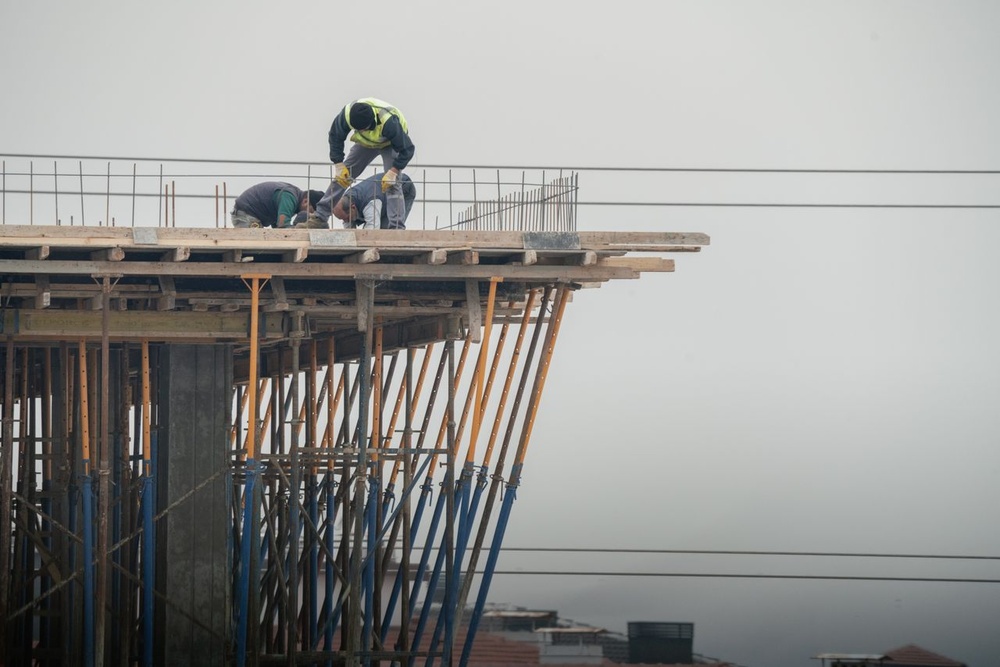
Construction sites are naturally unstable places to work. With temporary electricity, weather elements, and construction machines present on such sites, electrical hazards pose a significant danger to everyone involved in the project.
Electrical hazards at construction sites can bring about far worse than simply endangering workers. Such hazards might also lead to significant project delays, investigations by the appropriate authorities, and serious financial losses.
It is necessary to adopt several measures when dealing with such a risk, and RCDs are among them. Being aware of the risks that regular RCD testing can eliminate can help contractors develop an effective strategy for construction to prevent them.
Why Electrical Risk Management Matters on Construction Sites
By their very nature, construction zones strip away the structural permanent protections found in completed buildings. Power is exposed, cords are dragged through mud, and machinery vibrates constantly. Under Australian WHS legislation, employers have a strict legal duty to eliminate or minimise these electrical risks so far as is reasonably practicable.
The sole use of PPE will be a defective practice. Electrical safety requires an effective risk management program involving awareness of the workers along with engineering controls. Testing of safety equipment will be a perfect part of this wider compliance program and will be a safety net in case of failure of physical equipment at work sites.
9 Construction Site Risks That Regular RCD Testing Helps Prevent
1. Electric Shock from Faulty Portable Equipment
Handheld power tools and extension leads take a beating on site. Internal insulation can easily degrade, causing dangerous leakage currents to find their way onto the metal casing of a tool. If a worker grabs that tool, they become the path to earth. A fully functional regular RCD testing for construction prevents tragedy by constantly monitoring the current balance and rapidly disconnecting the power before a lethal shock can occur.
2. Electrical Fires Caused by Undetected Faults
Not all electric faults lead to shocks right away. Small tracking electric faults or faulty internal wires may bleed current at a very slow pace, causing heat build-up over a period of time without triggering a conventional circuit breaker. Although visual checks and thermal scans are great ways to detect any signs of wear, RCD safety switch acts as a backup by disconnecting the circuit instantly when earth leakage occurs.
3. Injuries During Wet Weather Operations
Water and electric current are an extremely deadly combination. Unexpected rains or working under wet conditions underground raise the chances of electric arcs and tracking through wet mediums. This is because water causes resistance to fall considerably. Regular testing of your safety switches to ensure they react in a split second when you need them is a good way to remain safe.
4. Increased Risk from Temporary Site Power
Temporary switchboards are modified, relocated, and reconfigured constantly as a build progresses. This continuous adaptation makes them highly vulnerable to loose connections and balanced load issues. According to guidelines from Safe Work Australia, temporary installations face far harsher operational wear than permanent ones, making frequent verification essential to ensure the integrity of the safety devices hasn’t been compromised during site changes.
5. Equipment Downtime Following Electrical Incidents
When a major electrical fault occurs on a combined circuit, it does not just impact the worker involved—it can take out power to an entire section of the site. Multiple trades are suddenly left standing around waiting for an electrician to diagnose the issue. Implementing a proactive testing schedule helps catch deteriorating equipment before it causes a major blowout, keeping your trades moving and productive.
6. Compliance Failures During WHS Audits
Workplace safety and health inspectors often visit the construction site and expect to find well-maintained and properly documented maintenance logs. An inability to provide up-to-date testing documentation may attract immediate penalties or even shutdown of operations due to an impending fine or improvement notice.
As indicated by data from Standards Australia, compliance with the required testing schedule serves as the minimum requirement for showing compliance in case of an unscheduled site visit.
7. Insurance and Liability Issues
Should an electrical hazard occur and an investigation finds that you failed to maintain the safety switches, your liability becomes very high. Insurance firms usually require proof of proper maintenance of electrical systems as per Australian standards. Non-compliance may result in claim rejection and litigation with enormous expenses incurred by the principal contractor.
8. Hidden Safety Device Failures
An RCD might look perfectly fine from the outside and still fail to trip during a genuine electrical fault. Mechanical sticking or internal component degradation can silently render a safety switch useless.
One of the simplest ways to reduce this risk is by implementing a scheduled regular RCD testing programme for construction that verifies safety switches operate within the required trip times and produces documented evidence of compliance.
9. Project Delays Following Preventable Electrical Incidents
An electrical accident triggers an immediate chain reaction: site lockdowns, formal investigations, and extensive retraining sessions. The resulting disruptions can throw your entire project schedule out of alignment and destroy your profit margins. Taking a preventative approach to your site compliance drastically reduces the likelihood of these operational disruptions, ensuring your project stays on track and on budget.
RCD Testing Is Most Effective as Part of a Broader Electrical Safety Strategy
While RCDs are exceptionally good at what they do, they are not a silver bullet for every single site hazard. They cannot protect a worker who contacts both active and neutral conductors simultaneously, for instance. That is why safety switches must be treated as just one component of a larger, layered defence system.
There is no question that any good strategy will include all of these elements: RCD testing, equipment inspections, Test and Tag procedures, switchboard thermography, training programs for employees, and preventative maintenance schedules.
Conclusion
A large number of very serious electrical accidents on construction sites are completely avoidable. It is a dangerous risk to take a chance on the safety switch malfunctioning in times of an emergency, putting everyone’s life at stake, as well as jeopardizing your budget and reputation as a professional. With a switch to a new approach to compliance, one can save his/her people and investments.
Find a Home-Based Business to Start-Up >>> Hundreds of Business Listings.