









































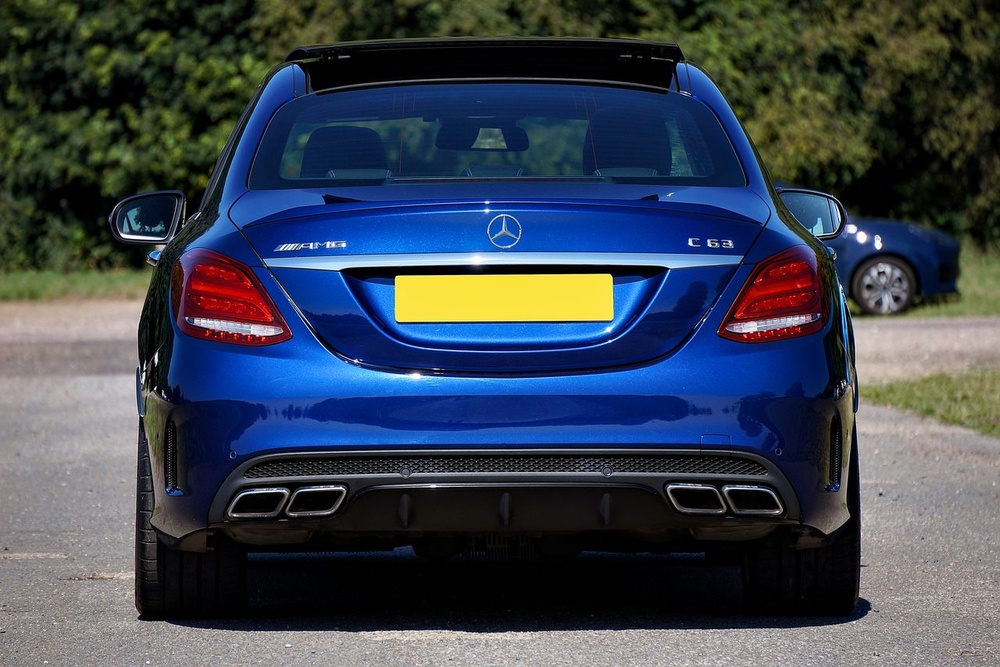
The automotive industry is going through one of the most dynamic periods in its history. Electrification, self-driving cars, and connected systems are changing how cars interact with the environment around us.
Among the new solutions, devices such as a stealth license plate cover are particularly interesting, addressing drivers’ growing demand for better control over vehicle visibility and personal information. As automotive innovation technology advances, the very concept of privacy on the road is changing.
How Innovations Are Changing the Car from the Inside
Just ten years ago, a connected car was a rarity. Today, connectivity is a basic feature of most new models. The car exchanges data in real time with the manufacturer, navigation services, and urban infrastructure. This may occur constantly, even when the car is parked.
Sensor systems are also developing. Cameras, lidars, radars, and ultrasonic sensors provide a detailed picture of the space around the vehicle. That’s the basis for automatic braking, adaptive cruise control, and lane-change assistance. Without these technologies, modern road safety would be simply impossible.
Equally important is the evolution of the user interface. The interior is a fully digital space with voice assistants, heads-up displays, and gesture control. Physical buttons are being replaced by more integrated controls, and drivers are interacting with the car more intuitively.
Key Areas of Automotive Technology Today
Simultaneously, innovations in the automotive sector are moving forward in several areas. Each of them addresses its own set of challenges, from reducing energy use to improving passive safety. Understanding this picture is useful for anyone following the market or planning a new car purchase. Key technological trends include:
- electrification of powertrains and hybrids;
- autonomous driving systems at various levels;
- connected services and over-the-air updates;
- integration of artificial intelligence into navigation;
- biometric driver identification;
- new-generation adaptive lighting systems.
Each of these trends is already present in production cars — not only in the premium segment, but also in the mass market. The pace of adoption is accelerating: what was an optional extra a few years ago is now standard equipment.
Privacy as a New Driver Priority
The smarter a car becomes, the more data it generates. Routes, stops, trip times, and driving style all end up in databases run by various companies. Drivers often don’t know who has access to this information or how it’s used.
This is where the demand for technologies that give drivers more control arises. Alite Hub addresses this need with a range of anti-radar, frameless license plate solutions. The site offers a large assortment of nano-coating stickers, blackout systems, and flippers for different plate formats. When choosing such options, consider several practical criteria:
- compatibility with the license plate format;
- weather and temperature resistance;
- ease of installation without special tools;
- confirmed effectiveness in independent tests;
- material durability with regular use;
- compliance with the laws of your country.
After installation, the device requires basic attention. A quick periodic check is usually sufficient, especially to ensure proper performance after winter driving or long, demanding trips.
What’s Next: Where the Industry Is Heading
The next five years promise to be eventful. Manufacturers are actively investing in vehicle-to-everything technologies — systems that allow cars to communicate not only with infrastructure but also with other road users. This opens new opportunities for safety but also raises questions about what data is transmitted and to whom.
The topic of privacy will only gain momentum. Regulators in various countries are already working on standards for protecting vehicle data.
Drivers, in turn, are increasingly seeking tools that give them real control — not just declarative assurances in privacy policies. The demand for transparency from manufacturers is growing louder.
Conclusion
The future of automotive innovation is not about choosing between advanced technology and personal data protection. It is about finding the right balance between the two. As automotive innovation becomes more deeply integrated into drivers’ daily lives, an increasingly important question emerges: who controls the data—you or someone else?
A conscious approach to choosing vehicle technologies and solutions isn’t a matter of caution, but of maturity. And the market already offers real tools for these purposes.
Find a Home-Based Business to Start-Up >>> Hundreds of Business Listings.