



































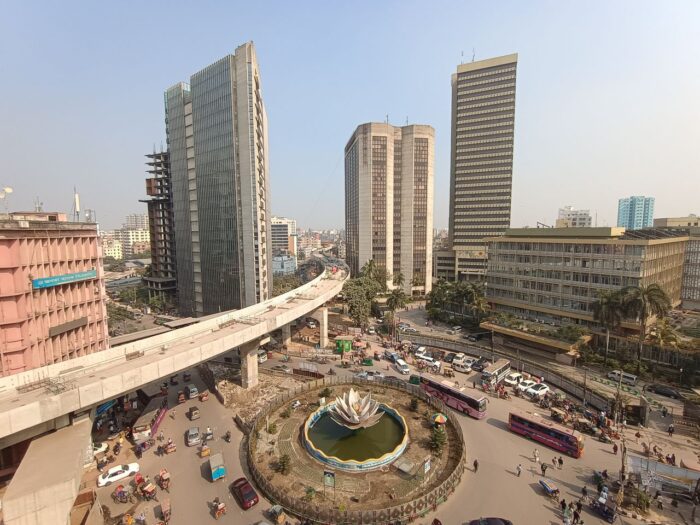
By 2026, Bangladesh will grow very rapidly in the manufacturing and export industries. Many factories produce textiles, tools, steel parts, shipping factors and various merchandise for the world market, which is where high-powered fiber laser cutting becomes important.
To compete with certain countries, factories need to produce espresso quickly, accurately, and cheaply. It is in this that high-current fiber laser reduction equipment makes a huge difference.
These machines help factories reduce steel faster, reduce waste and promote a satisfactory product. For this reason, Bangladeshi manufacturing is more current and extra competitive.
Many factories now use an integrated tubular plate laser reduction tool to tackle specific types of metal chipping in a single tool. This allows you to time and place the input within the build.
And also, large format fiber laser cutting technology is becoming very important for big factories that work with large metal sheets.
What Is Fiber Laser Cutting?
Fiber laser reduction is the current era that uses an efficient laser beam for metal reduction.
The laser beam is very powerful and is undoubtedly focused. It melts steel and creates a smooth and smooth exfoliation.
The yoke is used in many industries in Bangladesh, which include:
- Shipbuilding
- Garments machinery
- Construction
- Automotive parts
- Metal fabrication
- Export manufacturing
It is becoming popular because it is fast and easy to use.
Why Bangladesh Needs Advanced Laser Technology
Bangladesh is now a strong export country. It mainly exports garments, but metal and engineering products are also growing.
Factories need better machines because:
- Global competition is increasing
- Customers want fast delivery
- Quality standards are higher
- Production cost must be low
Old cutting machines are slow and waste more material. This makes it hard for factories to compete.
High-power fiber laser machines solve these problems.
Faster Production for Export Growth
Speed is very important in the export business. If factories are slow, they lose international orders.
Fiber laser cutting helps factories in Bangladesh by:
- Cutting metal very quickly
- Reducing production time
- Helping large orders finish faster
- Increasing daily output
For example, metal parts for machines or ship components can be made in much less time.
This helps Bangladesh factories deliver products on time to global buyers.
Better Quality for International Markets
Export buyers want high-quality products. Even small mistakes can cause order rejection.
Fiber laser cutting gives:
- Smooth edges
- Clean cuts
- High accuracy
- Strong-fitting parts
Because of this, final products look more professional and reliable.
When factories use an integrated tube and plate laser cutting machine, they can produce both tube and flat metal parts with high precision. This improves product quality even more.
Less Waste Means More Profit
Material waste is a big problem in traditional cutting methods.
Old machines:
- Waste more metal
- Need extra finishing work
- Increase production cost
Fiber laser cutting machines reduce waste because they cut very accurately.
This helps factories:
- Save raw materials
- Reduce cost per product
- Increase profit
- Improve efficiency
In the export business, saving costs is very important to stay competitive.
Large Format Machines for Big Industries
Many factories in Bangladesh work with large metal sheets. These are used in:
- Shipbuilding
- Construction steel structures
- Heavy machinery
- Industrial equipment
For these jobs, large format fiber laser cutting technology is very important.
It allows factories to:
- Cut large metal sheets in one go
- Avoid joining small pieces
- Save time in production
- Improve accuracy in big structures
This is very helpful for large industrial projects.
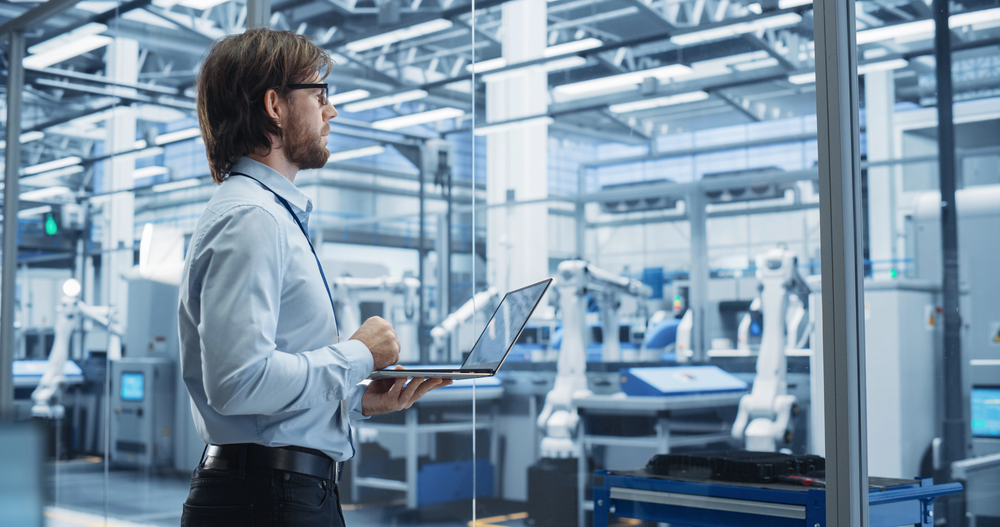
Easy Automation in Modern Factories
Modern factories in Bangladesh are also becoming smarter.
Fiber laser cutting machines can connect with:
- Computer software
- Robots
- Automatic loading systems
- Smart production systems
This reduces human work and increases speed.
Automation helps factories:
- Reduce labor pressure
- Avoid mistakes
- Improve safety
- Increase production speed
Smart factories are now the future of manufacturing in Bangladesh.
Lower Cost Production
One big benefit of fiber laser cutting is cost saving.
Factories save money in many ways:
- Less electricity use
- Less material waste
- Fewer workers needed
- Lower maintenance cost
Even if machines are expensive at first, they save money in the long run.
This is very important for export companies that work on tight profit margins.
Helping Small and Large Factories
Fiber laser cutting machines are useful for both small workshops and large factories.
Small factories can:
- Produce better quality products
- Compete with bigger companies
- Reduce manual work
Large factories can:
- Handle bulk export orders
- Improve production speed
- Maintain consistent quality
This makes the technology useful for the whole industry.
Strong Impact on the Bangladesh Economy
As more factories use fiber laser cutting, Bangladesh becomes stronger in global trade.
Benefits include:
- More export orders
- Better product quality
- Faster production time
- More job opportunities
- Higher industrial growth
This helps the national economy grow faster.
Future of Fiber Laser Cutting in Bangladesh
The future looks very bright. In the coming years:
- More factories will adopt fiber laser cutting machines
- Technology will become cheaper
- Automation will increase
- AI will improve machine control
- Production will become faster
Also, Bangladesh will continue to grow as a strong manufacturing country.
Conclusion
Such as high power fiber laser cutting is transforming Bangladesh’s manufacturing industry.
It helps factories:
- Work faster
- Improve product quality
- Reduce waste
- Save money
- Increase export power
With tools like an integrated tube and plate laser cutting machine and advanced large format fiber laser cutting technology, Bangladesh factories are becoming more modern and competitive.
Find a Home-Based Business to Start-Up >>> Hundreds of Business Listings.