







































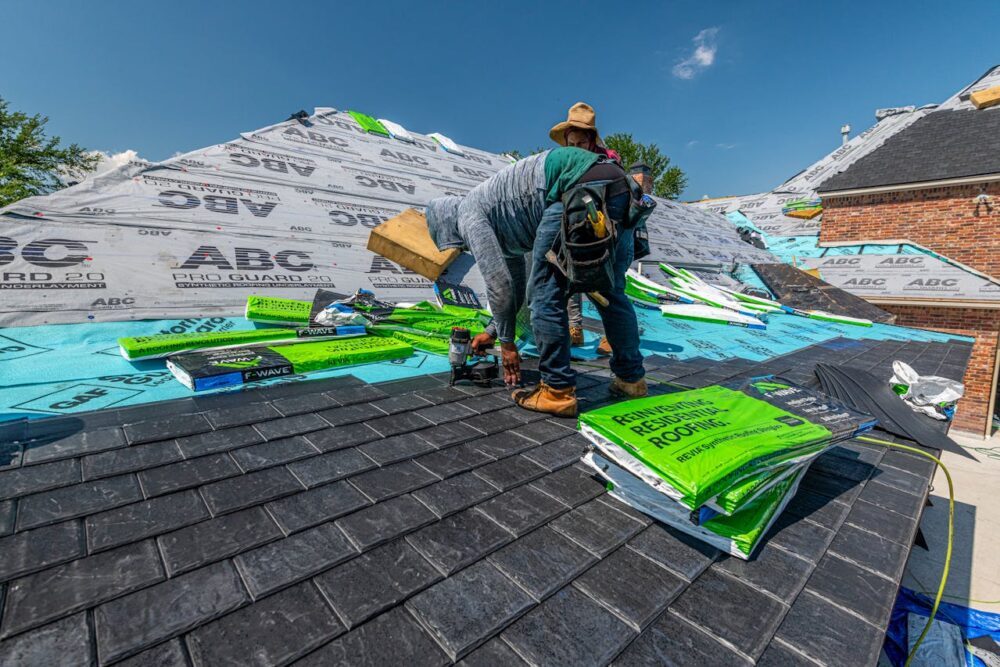
A new roof is one of the largest home investments a homeowner will ever face. Most people focus on material and labor costs, yet the final bill comes in far above what the first estimate shows. Contractors cannot always spot every issue until the old roof comes off and the full structure becomes visible. This article explains the most common hidden costs that add up fast and push the total well beyond the original number.
Extra Ventilation or Insulation Needs
Poor attic ventilation is one of the most overlooked factors that drives up the average roof replacement cost. Without proper airflow, heat and moisture build up in the attic, which accelerates shingle wear and can cause mold to form on the wood structure below. A roofing crew may discover that the current vent setup does not meet the square footage requirements for the attic space. Correcting this means adding ridge vents, soffit vents, or exhaust fans, each of which adds to the total project cost.
Unexpected Structural Repair Costs
Once a crew removes the old roof material, the condition of the wood underneath becomes clear for the first time. Rot, water damage, and soft spots in the roof deck are common finds that must be fixed before any new material goes on. Wood decking that has soaked up moisture for years will not hold fasteners properly, which makes a repair non-negotiable.
A contractor will charge per board or per sheet of plywood, and costs can climb from a few hundred dollars to several thousand, depending on the extent of the damage. Homeowners who skip a thorough pre-job roof inspection face this surprise mid-project, which delays the work and adds labor hours to the total bill.
Old Roof Disposal Charges
Hauling away the old roof material is a separate expense that many homeowners do not see on the initial quote. Roofing contractors typically rent large dumpsters or flatbed trailers to handle the weight of old shingles, felt paper, and nails, and those fees transfer directly to the homeowner.
Permit Delays and Inspection Fees
Most roof replacements for homeowners require a local building permit before work can start legally. Permit fees vary by roof size. A contractor must submit documents, wait for approval, and schedule a final inspection once the job is complete. Delays in permit approval can push the project start date back by days or even weeks, which may result in added mobilization charges if the crew must reschedule. Homeowners who do not factor permit costs into their original budget find themselves short when the final invoice arrives, as these fees sit on top of all material and labor costs.
Code Compliance Upgrade Costs
Local building codes update over time, and a roof replacement for homeowners triggers a requirement to bring older homes up to current standards. Contractors must follow the code that exists at the time of the permit, not the code that was in place when the house was built. The average roof replacement cost for an older home can rise significantly when code upgrades become mandatory during the project.
A full roof quote must go beyond shingles and labor. Smart homeowners request itemized estimates that include disposal, permits, structural repairs, and code upgrades before any contract is signed. Request a written scope of work that lists every potential add-on cost as a separate line item. That one step protects the budget and prevents unwelcome financial surprises once the project is underway.
Find a Home-Based Business to Start-Up >>> Hundreds of Business Listings.