









































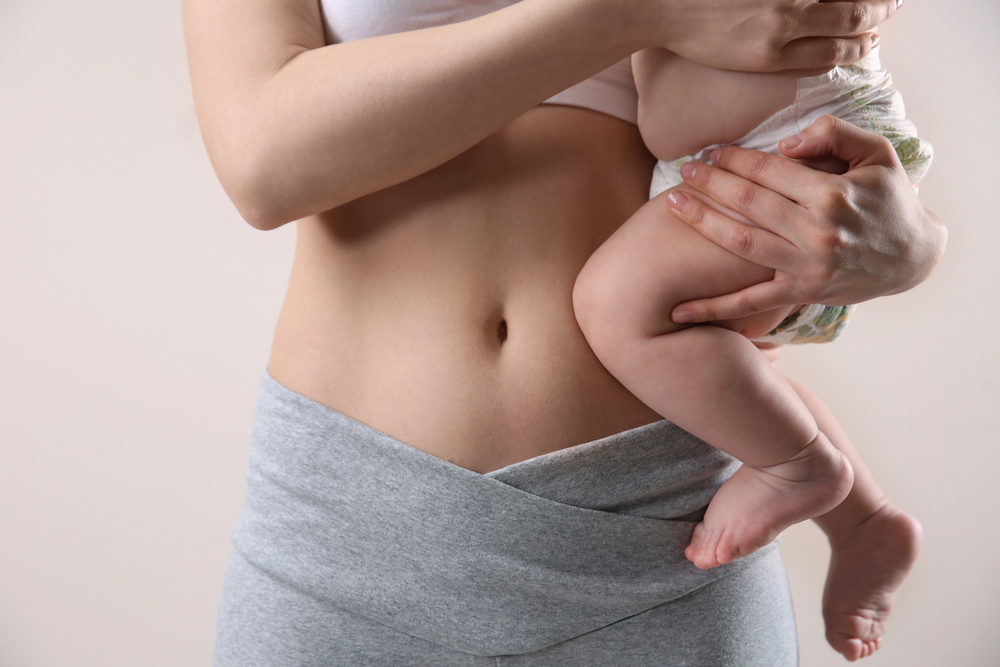
A well-fitted postpartum belly band can give your midsection and lower back some temporary support while your body settles after birth. It helps most when the compression is gentle, the fit is adjustable, and you use it as a recovery tool instead of a quick fix.
If standing up from bed, walking to the bathroom, or sitting down to nurse makes your core feel loose and unsupported, that is a very normal postpartum feeling. Postpartum care sources and medical explainers commonly place belly wraps in the early recovery window of about 4 to 8 weeks, when many moms want a little more stability for daily movement. You can use that support well without overdoing it, and that starts with knowing what a belly band can and cannot do.
What a Postpartum Belly Band Actually Helps With
A pregnancy support belt and a postpartum belly band are not the same thing. A pregnancy belt is meant to lift and support your belly before birth, while a postpartum wrap is meant to give gentle compression after delivery, when your abdominal muscles, posture, and lower back can all feel a little off.
Used properly, a postpartum band can make simple things feel easier: getting out of bed, standing at the changing table, taking a short walk, or sitting through a long feeding session. WebMD notes that postpartum wraps may help with pain, posture, movement, and support after a C-section, and several postpartum guides describe the same real-life benefit: your middle feels more held together while you heal.
That said, it helps to stay realistic. Natural Cycles points out that the evidence for recovery benefits is still limited, so it is better to think of a belly band as supportive gear, not a magic recovery shortcut. The best result is usually comfort, steadier movement, and less strain during the early weeks.
When to Start Wearing One after Birth
The simplest answer is: start only after your clinician says it makes sense for your recovery. Some postpartum guides say a wrap can be used right after delivery with OB/GYN approval, while others suggest starting within the first week after a vaginal birth and waiting until a C-section incision is stable, which may be anywhere from 2 to 3 days to about 2 weeks depending on your situation.
That variation is why blanket advice is not very helpful here. If you had a straightforward vaginal birth, you may be ready sooner. If you had a C-section, more swelling, more tenderness, or any incision concerns, your timeline may be slower, and that is completely normal.
Once you are cleared, short sessions usually work best at first. Several postpartum care sources suggest starting around 2 to 3 hours at a time, taking breaks, and building gradually only if the band still feels comfortable. Many women end up wearing one somewhere in the range of 4 to 8 weeks postpartum, but you do not need to force the full window if you stop needing the extra support sooner.
What Makes a Belly Band High Quality
High quality is less about hype and more about fit, comfort, and control. The best postpartum bands are easy to adjust as your body changes from week to week, because swelling, tenderness, and waist size do not all shift on the same schedule.
Look for Adjustable, Even Compression
A good band should let you fine-tune the pressure instead of locking you into one tight setting. Many well-reviewed postpartum wraps use hook-and-loop closures, side adjustments, or multi-panel designs so you can tighten both sides evenly. Some 3-in-1 sets even let you wear one, two, or three pieces depending on whether you want more support at the abdomen, waist, pelvis, or lower back.
Prioritize Breathability and Daily Comfort
Soft, breathable fabric matters more than many people expect, especially if you are wearing the band under clothes, during warm weather, or through repeated feeding sessions. Across postpartum products from brands like Belly Bandit, Motif, and other Amazon best sellers, the features that come up again and again are lightweight mesh, stretch panels, and lower-back support that does not feel bulky. If a band is stiff, scratchy, or traps too much heat, you are much less likely to wear it consistently.
Measure Your Body Now, Not Your Pre-Pregnancy Size
This is where a lot of moms get tripped up. Postpartum sizing is usually based on your current waist measurement, not your usual clothing size, and size charts can vary a lot between brands. Some bands start around 24 in waists, while others go up to 55 in, and a few listings even show conflicting chart details, which is a good reminder to double-check before buying.
Real life is messy here too. In one July 2024 What to Expect forum discussion, a mom described losing 25 lb in the first postpartum month and still finding that her band did not fit the way she expected. That is a useful reminder that recovery size changes can be fast, but not predictable, so flexibility matters more than guessing perfectly.
How to Wear a Postpartum Belly Band Safely
Start Low and Wrap Upward
Most postpartum guides recommend starting the band around the hips or lower abdomen and wrapping upward so the support feels balanced, not bunched in one spot. If you had a C-section, some sources suggest putting it on while lying down and centering support over the lower abdomen so you are not fighting gravity while fastening it.
Use the Two-Finger Test
The band should feel snug, not restrictive. A simple rule that comes up often is that you should still be able to slide two fingers underneath it, breathe normally, and move without feeling pinched. If sitting down, feeding your baby, or walking across the room suddenly feels harder, the band is too tight or sitting in the wrong place.
Give Your Body Breaks
A belly band is not meant for all-day wear. Common guidance is to use it for a few hours, take it off, and see how your body feels. It is also smart to remove it for sleep, and some moms prefer not to wear one during meals if abdominal pressure makes digestion feel uncomfortable.
If you had a C-section, avoid friction on an uncovered healing scar. Postpartum guides commonly suggest wearing the wrap over a bandage or dry dressing if your care team approves it, and stopping right away if you notice more pain, skin irritation, pressure at the incision, or shallow breathing.
What a Belly Band Cannot Do for Your Core
A postpartum belly band can support recovery, but it does not rebuild your core by itself. WebMD is very clear that there is no evidence that postpartum wraps or waist trainers cause weight loss, and they are not a cure for diastasis recti. They can make movement feel more supported while your body heals, but they do not replace strengthening work.
That is why the best postpartum recovery plan is usually pretty simple: rest when you can, walk a little, pay attention to posture, and add gentle core or pelvic floor rehab when your clinician says it is time. If your abdominal separation is small, it may improve over the first several weeks. If you still feel unstable, have persistent doming, or your back and pelvis still feel off months later, that is a good time to ask about pelvic floor physical therapy instead of just tightening the wrap more.
Practical Next Steps
If you are choosing a belly band for postpartum recovery, focus on three things first: adjustable compression, breathable fabric, and a size chart based on your current waist. A band that feels easy to put on, easy to loosen, and comfortable enough for feeding, walking, and everyday baby care is usually more useful than one that promises very firm shaping.
When you start wearing it, keep the first few days simple. Try it for 2 to 3 hours, make sure you can breathe and sit comfortably, and pay attention to how your back, abdomen, and incision area feel afterward. The goal is less strain during normal life, not maximum tightness.
A good postpartum belly band should make recovery feel calmer and more supported. If it helps you move, nurse, and get through the day with less pulling and less fatigue, it is doing its job.
Find a Home-Based Business to Start-Up >>> Hundreds of Business Listings.