







































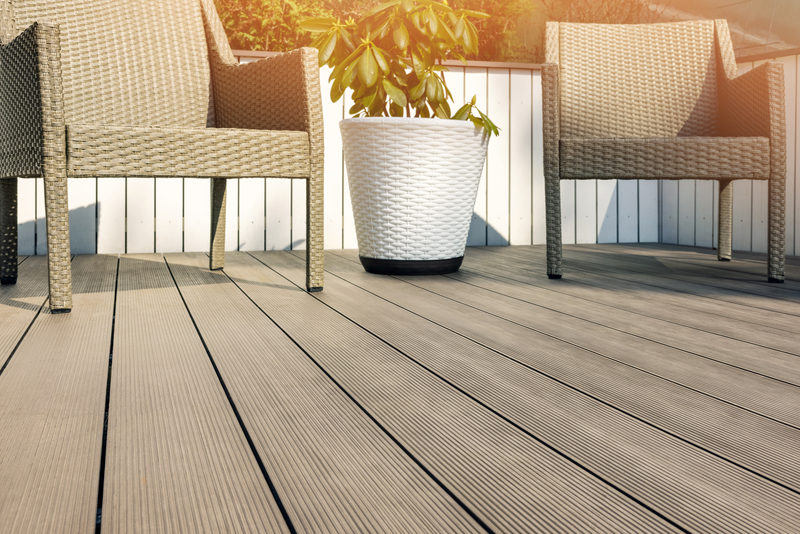
A deck should support daily living, hold up through changing weather, and add value without creating a steady repair list. Many households still compare wood and composite by purchase price alone, yet ownership cost usually tells a fuller story. Composite boards generally need less upkeep, keep their finish longer, and resist common forms of outdoor wear. That mix matters for families who want a clean, reliable space without constant sanding, staining, or replacing damaged planks.
Lower Lifetime Spending
Initial quotes can make lumber look cheaper, yet that gap often shrinks after several seasons of upkeep. Before choosing composite decking installation for your home, many homeowners review sun exposure, moisture levels, foot traffic, and framing condition to gauge likely wear. That planning step reflects practical budgeting, because wood often brings recurring costs for stain, sealant, labor, and replacement boards. Composite usually reduces those repeat expenses, which can make long-term ownership easier on household finances.
Less Maintenance, More Free Time
Wood surfaces need regular care if owners want them to stay smooth, dry, and protected. Composite boards usually clean up with soap, water, and a soft brush. That simpler routine saves time across spring, summer, and fall. On weekends, you can enjoy meals outdoors, quiet reading, or visiting with friends, instead of scraping the peeling finish and waiting for conditions to dry enough for another coat.
Better Resistance to Moisture
Rain, humidity, and snow put constant pressure on exterior materials. Natural lumber can absorb water, then swell, split, cup, or decay after repeated wetting and drying. Composite products handle moisture more evenly, which helps preserve shape and surface stability. That trait matters near pools, shaded yards, or damp regions, where slow drying can shorten the service life of untreated boards and raise repair frequency.
Color That Stays Stable
Sunlight changes outdoor surfaces over time, and wood often fades in an uneven pattern. Once discoloration sets in, restoring a rich tone usually requires stain and continued upkeep. Composite decking is made for stronger color retention, so your home’s appearance tends to stay more consistent through long periods of exposure. That steadier finish helps the deck remain visually connected to the home, rather than looking worn well before the structure ages.
Safer for Daily Use
A deck should feel secure under bare feet, chairs, and constant family movement. Older lumber can splinter, loosen fasteners, and develop rough edges after years outside. Composite boards avoid many of those surface problems, which improves comfort during daily use. Some product lines also include textured finishes that support traction, a helpful detail for children, older adults, pets, or households with frequent pool activity.
Fewer Repairs Over Time
Repair costs rarely arrive all at once, yet they build quickly. One warped plank, one stained corner, or one loose railing can turn into a recurring list of small projects. Composite systems help limit that pattern because the surface is built for repeated outdoor exposure. Owners still need to inspect framing and hardware, though board-level fixes are often less common than they are with many traditional wood decks.
Consistent Appearance Across Seasons
Seasonal shifts can make natural boards move in visible ways. Gaps widen, grain lifts, and traffic paths wear unevenly after heavy use. Composite materials usually keep a more uniform finish from spring through winter. That cleaner look supports furniture placement, lighting plans, and overall curb appeal. For households thinking about future resale, a polished outdoor area can strengthen first impressions without a last-minute cosmetic refresh before listing.
Material Use and Waste Reduction
Long service life carries environmental value as well as financial benefit. A surface that lasts longer usually means fewer replacement boards, fewer coating products, and less discarded material over time. Many composite options also contain recycled content, which can lower demand for newly harvested resources. Buyers who want practical sustainability often prefer materials that reduce repeated maintenance cycles, rather than relying on frequent refinishing and partial rebuilds.
Strong Fit for Modern Lifestyles
Outdoor areas now serve more than one purpose in many homes. The deck may function as a dining space, reading corner, play zone, or quiet place at the end of the day. Composite materials support that level of use because they stay presentable with less effort. For busy households balancing work, family needs, and home care, a lower-maintenance surface is easier to keep ready for everyday living.
Conclusion
Composite decking stands out because it answers the question homeowners eventually face, which is not what costs less today but what performs better over many years for your home. Lower upkeep, steadier appearance, and fewer repair demands make it a practical investment for a wide range of properties. A well-planned deck should support comfort and value without creating endless chores. For long-term performance, composite remains a smart choice for homes that need durability with less effort.
Find a Home-Based Business to Start-Up >>> Hundreds of Business Listings.