







































Recreational spaces are evolving far beyond traditional game rooms or backyard setups. As technology becomes more integrated into everyday life, homeowners are increasingly designing spaces around interaction, flexibility, and immersive experiences rather than simply adding decorative entertainment features. Recreation is no longer limited to watching television or occasionally hosting guests. Many people now want environments that support hobbies, movement, competition, and social interaction in more engaging ways.
This shift reflects broader lifestyle changes connected to home-centered entertainment and personalized leisure routines. People increasingly value recreational spaces that feel adaptable enough for different activities while still remaining comfortable and easy to use regularly. Technology is playing a major role in this transformation because it allows entertainment spaces to become more interactive, immersive, and personalized than they were in the past.
As home recreation continues expanding, homeowners are focusing less on static entertainment setups and more on environments that actively encourage participation and long-term use.
Sports Simulation Is Becoming More Immersive
One of the biggest changes in recreational design involves the rise of simulation-based entertainment. Advanced sports simulators now allow people to practice, compete, and socialize indoors with much higher levels of realism than earlier systems offered.
Golf simulators especially have grown rapidly because they combine entertainment with skill development while allowing year-round use regardless of weather conditions. Modern systems now include highly detailed visual environments, swing analysis, multiplayer functions, and interactive gameplay that make home recreation spaces feel significantly more engaging.
Homeowners exploring options from https://indoorgolfoutlet.com/ are usually interested in creating recreation areas that function both as entertainment spaces and long-term hobby environments. Technology allows these spaces to feel more dynamic rather than purely decorative.
Recreational Spaces Are Becoming Multi-Purpose
Modern recreation rooms increasingly serve multiple functions instead of focusing on one activity alone. A single space may now combine sports simulation, media entertainment, social seating, gaming setups, and flexible gathering areas depending on how homeowners use the room throughout the week.
Technology supports this flexibility because systems can often adapt quickly between different activities without requiring major physical changes to the room itself. Projectors, smart lighting, modular seating, and integrated sound systems all contribute to more versatile recreational environments.
This multi-purpose approach is becoming especially popular among homeowners who want spaces that remain useful regularly rather than rooms reserved only for occasional entertainment.
Outdoor Recreation Technology Continues Expanding
Technology-driven recreation is also expanding outdoors. Electric recreational vehicles, powered mobility equipment, and outdoor motorsports products are increasingly influencing how people design garages, outdoor storage areas, and activity spaces around the home.
Products connected to mototec usa are becoming part of the broader shift toward technology-based outdoor activities that combine mobility, entertainment, and personal exploration. Recreational design increasingly extends beyond the home interior itself and into the ways people use surrounding outdoor environments as part of everyday leisure routines.
This trend reflects changing definitions of recreation overall. Many consumers now prioritize experiences that combine movement, technology, and flexibility instead of relying only on passive entertainment.
Home Entertainment Is Becoming More Personalized
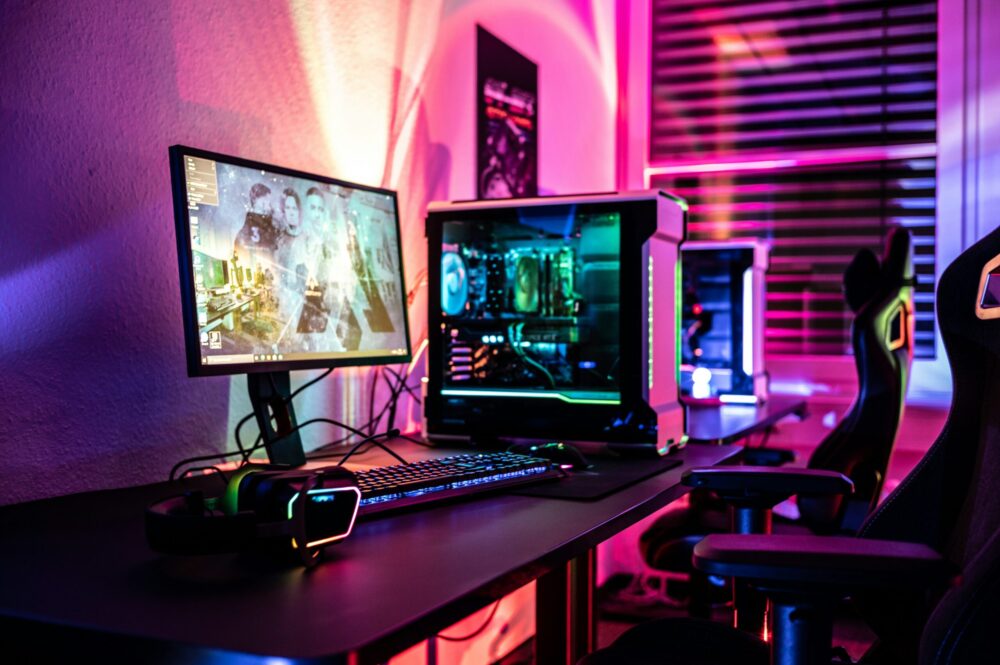
One major reason technology is reshaping recreational spaces is because homeowners increasingly want environments tailored specifically to their interests rather than generic entertainment rooms designed around broad appeal.
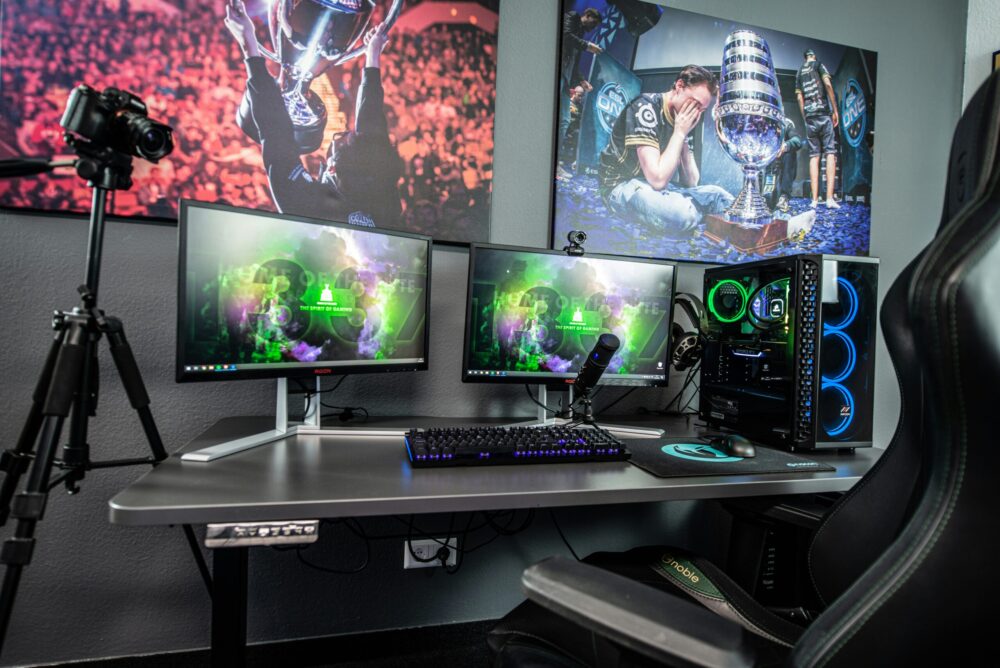
Some spaces revolve around golf simulation, while others prioritize racing setups, gaming systems, fitness integration, or media-focused entertainment. Technology allows people to build highly customized environments connected directly to hobbies and lifestyle preferences.
This personalization helps recreational spaces remain emotionally engaging long term because they reflect how people actually spend their leisure time rather than simply following design trends.
Interactive Spaces Encourage Social Connection
Technology-based recreation spaces often work well socially because they encourage participation instead of passive observation. Multiplayer simulators, competitive games, and interactive entertainment systems naturally create conversation and engagement among guests.
This is one reason many homeowners now prioritize recreation spaces during home upgrades. Shared interactive experiences frequently make gatherings feel more relaxed and memorable compared to traditional entertainment setups focused entirely around television viewing or formal hosting.
Interactive environments also tend to keep guests engaged longer because activities continue evolving throughout the event itself.
Lighting and Sound Design Are Becoming More Important
As recreational spaces become more immersive, homeowners are paying greater attention to lighting and sound integration as part of the overall experience. Smart lighting systems, ambient effects, acoustic control, and integrated audio setups all help spaces feel more immersive and adaptable.
These details significantly influence how engaging recreational areas feel during both solo use and larger gatherings. Technology-driven environments generally work best when the atmosphere supports the activity itself rather than competing against it visually or acoustically.
According to the Architectural Digest, modern homeowners increasingly prioritize flexible entertainment spaces that combine technology, comfort, and personalization instead of maintaining single-purpose recreational rooms used only occasionally.
Convenience Is Driving More Home-Based Recreation
Another reason technology is transforming recreational design is convenience. Many people prefer entertainment options that remain accessible without requiring extensive travel, memberships, or scheduling logistics.
Home recreation spaces allow individuals to practice hobbies, entertain guests, or relax more spontaneously within their own schedules. This accessibility often leads to more consistent use compared to recreational activities requiring external venues.
Technology makes these experiences feel more professional and immersive while still remaining convenient enough for everyday use.
Recreational Design Is Becoming Experience-Focused
The biggest shift happening within recreational spaces is that homeowners increasingly design around experiences rather than objects alone. The goal is no longer simply filling rooms with entertainment equipment. Instead, people want environments that encourage interaction, movement, relaxation, and memorable social experiences.
Simulation systems, outdoor recreational technology, immersive lighting, and flexible layouts all contribute to making recreational areas feel more active and emotionally engaging.
As technology continues evolving, recreational spaces are becoming less about passive entertainment and more about creating personalized environments where people can genuinely participate, connect, and enjoy their hobbies in more immersive ways from home.
Find a Home-Based Business to Start-Up >>> Hundreds of Business Listings.