









































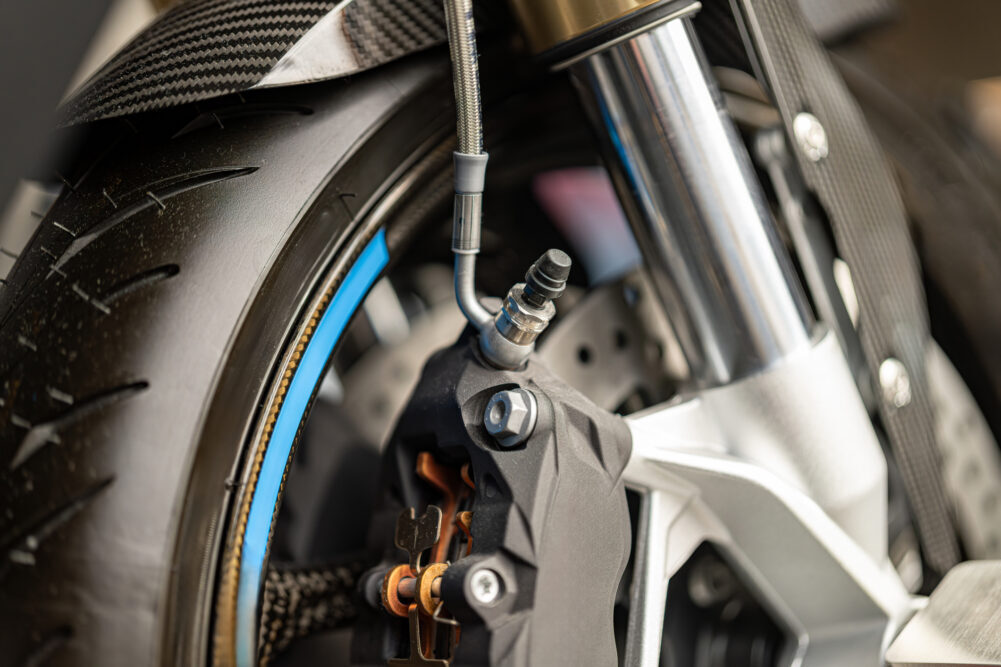
Your front suspension system is your main barrier to the punishing terrain. Riding a machine with a broken or poorly configured front suspension greatly restricts your cornering traction.
Today’s leading mountain bike designs use complex internal mechanical systems to keep your front tyre glued to the ground. This article explores the essential suspension qualities your bike forks require for a good ride.
1. Exceptional Lateral Stiffness Under Heavy Cornering Load
When you take a loose, rapid turn, your front wheel is twisting forcefully from the ground. If your lower slider tubes break, your steering becomes vague and very unpredictable. This dangerous flexing of the front tyre makes it harder to track the tyre, and you may end up in a wash-out.
Bike forks have strong, thick-walled aluminium upper stanchions and magnesium lower castings to resist these forces. A strong chassis will keep your front wheel moving in the direction where you have to point the handlebars. With this kind of structural strength, you can hold steep lines with confidence in tricky rock gardens.
2. Responsive and Adjustable Low-Speed Rebound Damping
Without proper internal hydraulic fluid control, your bike will bounce like a pogo stick, off balance. Rebound damping uses precise internal valving circuits to control the speed at which your suspension extends safely.
When you correctly place the return stroke, it keeps the front end from getting stuck in the quick braking bumps. This one’s hydraulic control is the driver’s most important tool. It’s very smooth and keeps the front end from bucking up when you least expect it.
3. Sophisticated Multi-Stage High-Speed Compression Valving
Hitting a sharp, square-edged rock at terminal velocity forces your front suspension to move through its travel incredibly fast. When something like this happens, a high-speed compression circuit changes the hydraulic fluid inside very quickly.
This specialised fluid management protects your rim from structural damage and prevents the suspension from bottoming out too hard. It allows your front end to take on huge trail obstacles while keeping your momentum going.
4. Ultra Low Friction Stanchion Coating Treatments
When you ride over small chatter stones, your bike is rough because the wiper seals and upper tubes need to have a lot of friction. The suspension should be set off right away to keep the front tyre firmly connected to the trail as it changes surfaces.
To make the surface of the upper aluminium tubes very smooth, professionals coat them with high-quality chemical coatings. These highly resistant chemicals act in conjunction with lubricating oils to reduce the internal drag within the system. In technical terms, such a detail makes suspension work perfectly for small imperfections on the trail.
5. Highly Tuneable Positive and Negative Air Spring Volume
Air-sprung suspension components now allow riders to customise their support feel with the exact weight of their body. You can set your sag with the internal air pressure and shock pump. The most advanced suspension setup has a negative air chamber that cushions the first part of the stroke.
You can also put plastic volume spacers in the main air chamber and adjust the ramp-up to suit the suspension. It doesn’t bottom out on big jumps thanks to tokens, but it’s still soft over small roots. Because there are so many tuning options, you can make your bike behave exactly how you want it to.
6. Reliable and Durable Structural Wiper Seal Construction
Trail debris such as wet mud, fine sand and gritty dust constantly bombards your lower legs during a messy winter ride. If the contamination gets in your main wiper seals, it will scratch your upper tubes, tear up your internal seals and break them.
Best suspension systems are equipped with heavy-duty, dual-lip scraper seals with the ability to push back the dirt from the outside and keep the internal oils. Cleaning your internal mechanical components to keep them clean extends your service intervals and ensures they last longer.
Optimising Your Trail Machine Performance
Usually, upgrading your mountain bike’s front suspension is the best way to change how it handles. To do that, you need to understand the suspension qualities your bike forks require for optimal performance. These six essential technical features will help you ride faster on trails and feel more comfortable. When your suspension works well, you can focus on the ground ahead with greater confidence.
Find a Home-Based Business to Start-Up >>> Hundreds of Business Listings.