











































Learning how to build a fence gate can seem simple at first. A gate is just a framed opening with hinges, a latch, and boards that match the fence, right? In reality, a good fence gate needs more planning than most homeowners expect.
A gate gets used more than almost any other part of a fence. It swings, carries weight, handles weather, and has to stay aligned over time. If the posts are weak, the frame is out of square, or the hinges are too small, the gate can sag, drag, or stop latching properly.
The good news is that a basic pedestrian fence gate can be a manageable project for a handy homeowner. The key is to plan the opening carefully, use strong materials, brace the frame correctly, and choose hardware that can handle outdoor use.
Start by Planning the Fence Gate Opening
Before buying lumber or hardware, start with the gate opening. The opening determines the gate size, post placement, swing direction, and type of hardware you will need.
A small side-yard gate has different requirements than a wide backyard gate or driveway gate. Think about how the gate will be used. Will people walk through it daily? Will you need to move trash bins, lawn equipment, or wheelbarrows through it? Will it need to provide privacy, security, or access for vehicles?

Measure the Opening Carefully
Measure the space between the gate posts or the area where the posts will be installed. Do not build the gate to fit too tightly. You need room for hinges, latch hardware, and small seasonal changes in the wood.
Wood can swell, shrink, or shift depending on moisture and temperature. If the gate is too tight, it may rub against the post or fail to close after weather changes. A little clearance helps the gate swing freely.
Decide Which Direction the Gate Should Swing
Most pedestrian fence gates swing inward when possible, but the best direction depends on the property layout. Consider walkways, landscaping, slope, nearby structures, and how people will approach the gate.
If the ground slopes upward in one direction, the gate may need to swing the other way to avoid dragging. If privacy is important, the latch and hinge placement should also be considered before installation.
Check Property Lines, Utilities, and Local Rules
Before digging post holes, confirm that the gate and fence are on your property. If you are adding new posts, contact your local utility marking service so buried lines can be identified before digging.
Local rules may also affect fence height, placement, gate style, and setback requirements. Homeowners associations may have additional design guidelines, especially for front-yard gates or visible side-yard fencing.
Choose the Right Materials for the Gate
The right material affects the gate’s strength, appearance, durability, and maintenance. For many homes, wood or cedar is a common choice because it can match an existing privacy fence and provide a warm, natural look.
Cedar is popular for outdoor gates because it looks good and performs well in many climates. Pressure-treated lumber may also be used for structural parts, especially posts. For wider gates or heavier designs, a metal or reinforced frame may help prevent sagging.
Hardware matters just as much as lumber. Hinges, latches, screws, bolts, and anti-sag kits all affect how the gate performs. Outdoor-rated, rust-resistant hardware is worth the investment because gates are exposed to rain, sun, moisture, and repeated movement.
Tools and Supplies Needed to Build a Fence Gate
The exact tools depend on your design, but most basic wood fence gates require a measuring tape, level, circular saw or miter saw, drill, exterior screws, framing square, post hole digger, concrete, hinges, latch, lumber, and safety gear.
If your gate posts are already installed and in good condition, the project may be simpler. If the posts are leaning, shallow, rotted, or too weak, they should be replaced or reinforced before hanging a new gate. A strong gate frame cannot perform well on weak posts.
How to Build a Fence Gate Step by Step
Once the plan is set, the construction process comes down to accuracy. Take your time with measurements, squareness, and hardware placement.
Step 1: Set Strong Gate Posts
Gate posts carry the weight of the entire gate, so they must be stronger than standard fence line posts. If the posts move, the gate will eventually sag or stop closing correctly.
Set posts deep enough for your soil, climate, and gate size. Use concrete when appropriate, and make sure each post is plumb before the concrete sets. The distance between posts should allow enough room for the gate, hinges, latch, and clearance.
Step 2: Build a Square Gate Frame
Build the gate frame on a flat surface. Cut the top rail, bottom rail, and side rails to size, then assemble them with exterior screws or bolts. Use a framing square to keep the corners straight.
To check whether the frame is square, measure diagonally from corner to corner in both directions. The measurements should match. If they do not, adjust the frame before fastening everything tightly.
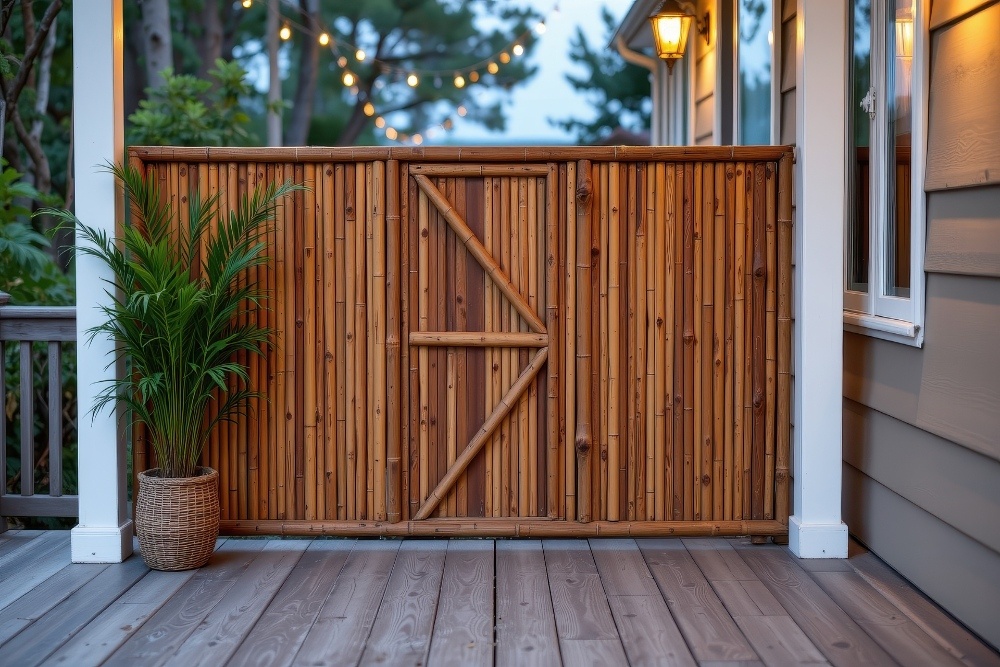
Step 3: Add a Diagonal Brace to Prevent Sagging
The diagonal brace is one of the most important parts of a wood fence gate. Without bracing, the gate may sag over time under its own weight.
For most wood gates, the brace should run from the lower hinge side to the upper latch side. This helps transfer weight back toward the hinge post. Anti-sag cable kits or reinforced metal frames can provide additional support, especially for wider or heavier gates.
Step 4: Attach Fence Boards or Pickets
After the frame is built and braced, attach the fence boards or pickets. Try to match the style of the existing fence so the gate feels like part of the overall design.
Keep the gate weight in mind. Thick boards, heavy decorative features, and oversized frames can make the gate harder to support. If the gate is wide or heavy, stronger hinges and additional bracing may be needed.
Step 5: Install Hinges and Hang the Gate
Use heavy-duty hinges rated for the gate’s size and weight. Attach the hinges to the gate frame first, then position the gate in the opening with proper clearance at the bottom and sides.
It helps to use blocks or shims to hold the gate level while fastening it to the post. Test the swing before fully tightening every screw or bolt. The gate should move smoothly without scraping the ground or pulling away from the post.
Step 6: Add the Latch and Final Adjustments
Install the latch at a comfortable height and make sure it lines up with the receiving hardware on the post. Open and close the gate several times. Check the swing, clearance, latch alignment, and overall security.
Small adjustments at this stage can prevent bigger problems later. Tighten hardware, adjust hinges if needed, and confirm that the gate closes cleanly.
How to Keep a Fence Gate From Sagging
Sagging is one of the most common fence gate problems. It usually happens because the posts are weak, the frame is not square, the gate is too wide, or the hinges are undersized.
Strong posts are the foundation. If the hinge post leans, the entire gate will move with it. The frame should also stay square and properly braced. Wider gates may need reinforced framing, larger posts, heavy-duty hinges, or an anti-sag kit.
Hardware should match the weight of the gate. Small hinges may work for a light garden gate, but they are not enough for a heavy privacy gate. Adjustable hinges can also be helpful because they allow minor corrections over time.
Common Fence Gate Mistakes to Avoid
One common mistake is building the gate too wide without reinforcement. Wider gates are heavier and more likely to sag. If the opening is large, double gates may be a better option than one oversized gate.
Another mistake is forgetting ground clearance. Gates need room to swing over grass, gravel, concrete, mulch, or uneven ground. If the yard slopes, the gate may need a custom design.
Using indoor hardware outdoors is another issue. Standard screws, hinges, and latches can rust or fail when exposed to weather. Exterior-rated hardware helps the gate last longer.
Homeowners should also think about moisture and drainage. Wood gates can swell, shrink, or warp. Sealing or staining the gate can help protect it from sun and moisture.
When a DIY Fence Gate May Not Be the Best Option
A simple side-yard gate may be a realistic DIY project, but some gates are more complicated. Sloped yards, uneven ground, heavy privacy gates, custom cedar fencing, and driveway gates can be difficult to build correctly without experience.
Homeowners dealing with custom layouts, cedar fencing, driveway gates, or difficult outdoor conditions may want to work with a professional fence contractor like DH Fence Pros to make sure the gate is built for long-term strength, security, and curb appeal.
Professional help can be especially valuable when the gate needs to match an existing fence, handle frequent use, or hold up in a wet climate.
Do Fence Gates Need Permits?
Permit requirements depend on the location, gate type, fence height, and project scope. A basic pedestrian gate in an existing backyard fence may not always require a permit, but rules vary by city, county, and neighborhood.
Driveway gates and electric gates are more complex. They may involve electrical components, access control systems, moving parts, safety sensors, inspections, and local code requirements.
For homeowners considering an automatic or electric gate, this permit guide from Fantastic Fence explains why local code, electrical work, inspections, and safety standards may affect the project.
Before building or installing a large gate, it is smart to check with the local building department or HOA so there are no surprises later.
Finishing and Maintaining a Fence Gate
After the gate is built, maintenance helps keep it working properly. Wood gates should be sealed, stained, or painted to protect against moisture, UV exposure, and warping.
Inspect hinges and latches regularly. Tighten screws or bolts if they loosen, and adjust latch alignment if the gate shifts. Keep the swing area clear of soil, plants, rocks, and debris.
Good drainage also matters. If water collects around the posts, it can shorten the life of the gate and fence. Keeping soil and mulch away from the bottom of the gate can help reduce moisture problems.
Final Thoughts: A Good Fence Gate Is Built for Daily Use
Learning how to build a fence gate is really about building something that can handle daily use. The gate needs strong posts, a square frame, proper bracing, durable hardware, and enough clearance to move freely.
For a simple pedestrian gate, a careful DIY approach may work well. But as the gate gets wider, heavier, more custom, or more automated, planning becomes more important.
A well-built fence gate should open smoothly, close securely, and match the fence around it. When built correctly, it adds privacy, convenience, security, and curb appeal to the property for years to come.
Find a Home-Based Business to Start-Up >>> Hundreds of Business Listings.


