





































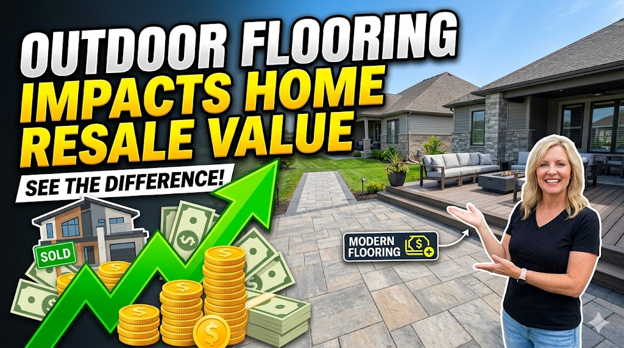
Why a clean, level driveway and a functional back patio can swing perceived value by tens of thousands and which outdoor flooring choices actually move the needle at resale.
Key takeaways
- The first surface a buyer experiences is often the outdoor flooring, not the interior of your home; its condition shapes their entire impression of the home.
- A clean, level, properly graded driveway and walkway signal that the home is well maintained, while cracked or stained concrete signals deferred maintenance.
- Research shows high‑quality landscape and exterior presentation can add roughly 5–11% to home value, with the driveway and front walkway being the largest hardscape elements in that equation.
- Buyers now expect functional outdoor living space; a well‑built concrete patio stages as additional usable square footage and can mean the difference between a scrolling buyer and an offer.
- Concrete generally wins on buyer confidence for driveways and front walkways, while pavers and decks can work in the backyard depending on the home’s style and price point.
- Defects like scaling, spalling, heaving, settlement, pooling water, and stains routinely trigger price concessions in the thousands, often far more if they suggest foundation or subgrade issues.
- In Colorado’s Front Range, climate‑ready concrete (4,000 PSI, air‑entrained, proper drainage, compacted subbase) is not optional; it’s what buyers expect to see at a showing.
- The highest‑return pre‑listing moves are simple: pressure wash and seal, repair or replace cracked sections, add a functional patio if missing, resurface/stamp for visual upgrade, and fix drainage issues.
The first surface a prospective buyer touches when they arrive at your home is not the front door or the kitchen counter. It is the outdoor flooring of your home: the driveway they park on, the walkway they cross, and the back patio they wander out onto during a showing. Those surfaces frame the entire impression of the property, and agents, appraisers, and inspectors consistently report that the condition and quality of exterior hardscape can swing perceived value by tens of thousands of dollars in either direction. Outdoor flooring is not a cosmetic afterthought. It is one of the most leveraged improvements a homeowner can make before listing.
First Impression Math: Driveway and Front Walkway
Real estate agents call it curb appeal: the assessment a buyer makes before they ever step out of their car. Cracked, oil-stained, or heaved concrete on a driveway signals deferred maintenance to anyone with a checkbook, and that single impression colors every interior space the buyer walks through afterward. A clean, level, properly graded driveway and walkway signal the opposite. Published research from Michigan State University (Behe et al.) has documented home value premiums of roughly 5 to 11 percent attributable to high-quality landscape design and exterior presentation. The driveway and front walkway are typically the largest hardscape elements within that overall exterior presentation, which means their condition disproportionately shapes the curb appeal impression a buyer carries inside.
“The driveway and front walkway are the first things a buyer touches, and they’re constantly watching for signs of deferred maintenance. If the hardscape looks neglected, buyers assume the rest of the house is too, and they start negotiating from that place.”
— Top‑producing listing agent in Colorado Springs, 15+ years in residential real estate
The Patio as an Outdoor Living Sell
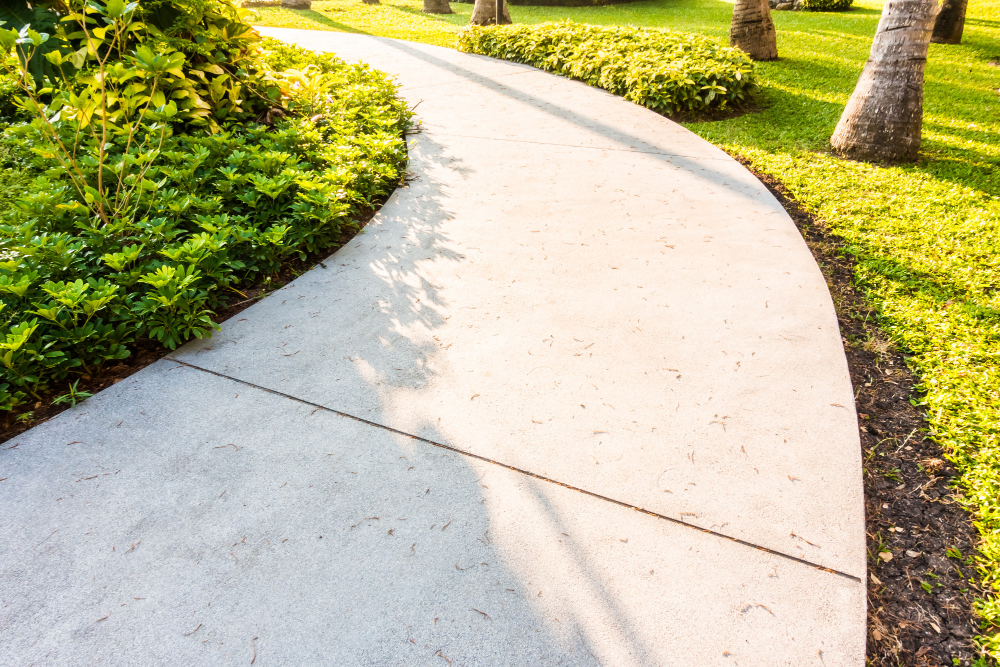
Buyer expectations for backyards shifted permanently after 2020. The National Association of Realtors has tracked the rising importance of outdoor living spaces in its Remodeling Impact Report series and dedicated outdoor features research, and homes without functional outdoor square footage are increasingly scored down in buyer comparisons. A well-built concrete patio with seating area, color, or stamped detailing stages as additional usable living space. That matters in two ways: it improves listing photographs, which drives click-through on the listing, and it lengthens the time buyers spend at the property during showings. Listing agents commonly observe that buyers who linger on a property are more likely to write offers, and the right patio can be the difference between a buyer who stops by and a buyer who writes.
“After 2020, outdoor space became real square footage in buyers’ minds. A clean, well‑segmented patio with room for a table and chairs stages like an extra room. It’s not just about photos; it’s about how long they stay and how much they mentally ‘live’ in the home.”
— Buyer’s agent specializing in move‑up and luxury homes on the Front Range
Material Choice Affects Appraisal and Buyer Confidence
Buyers and home inspectors evaluate outdoor flooring on three dimensions: appearance, structural condition, and expected remaining life. Each material category carries a different reputation:
- Poured concrete, when properly installed with air entrainment, adequate reinforcement, and a compacted base, typically lasts 25 to 30 years or longer with minimal maintenance.
- Pavers offer flexibility for spot repair but show settlement, weed growth, and joint sand washout that buyers read as neglect.
- Wood decking demands ongoing staining and sealing, and reads as a future expense in most inspection reports.
- Composite decking lasts longer than wood but signals a higher replacement cost when it eventually fails.
Concrete generally wins the buyer-confidence comparison for driveways and front walkways, while pavers and decks can shine in the backyard depending on the home’s style and price point.
Condition Is Everything: How Defects Subtract Value
A cracked slab does more than look bad. It triggers a chain reaction during the transaction. The buyer’s inspector flags it. The buyer’s agent uses it as renegotiation leverage. The lender’s appraiser may note it as a condition adjustment on the appraisal. In a competitive market, defects in outdoor flooring routinely produce price concessions in the thousands of dollars, sometimes far more if the cracking pattern suggests foundation movement or improper subgrade preparation. The most common defects that subtract value include surface scaling, edge spalling, heaving at the joints, settlement near downspouts, pooling water, and rust or oil staining. The cost to repair these issues before listing is almost always lower than the concession you will give up if a buyer finds them first.
“A cracked slab isn’t just cosmetic. In a negotiation, it becomes a line item: fix it now, or factor it into the price. I’ve seen six‑figure deals lose three to five thousand on a driveway alone because the seller didn’t address visible defects before listing.”
— Home inspector and former appraiser serving Colorado Springs and surrounding communities
Colorado-Specific Considerations
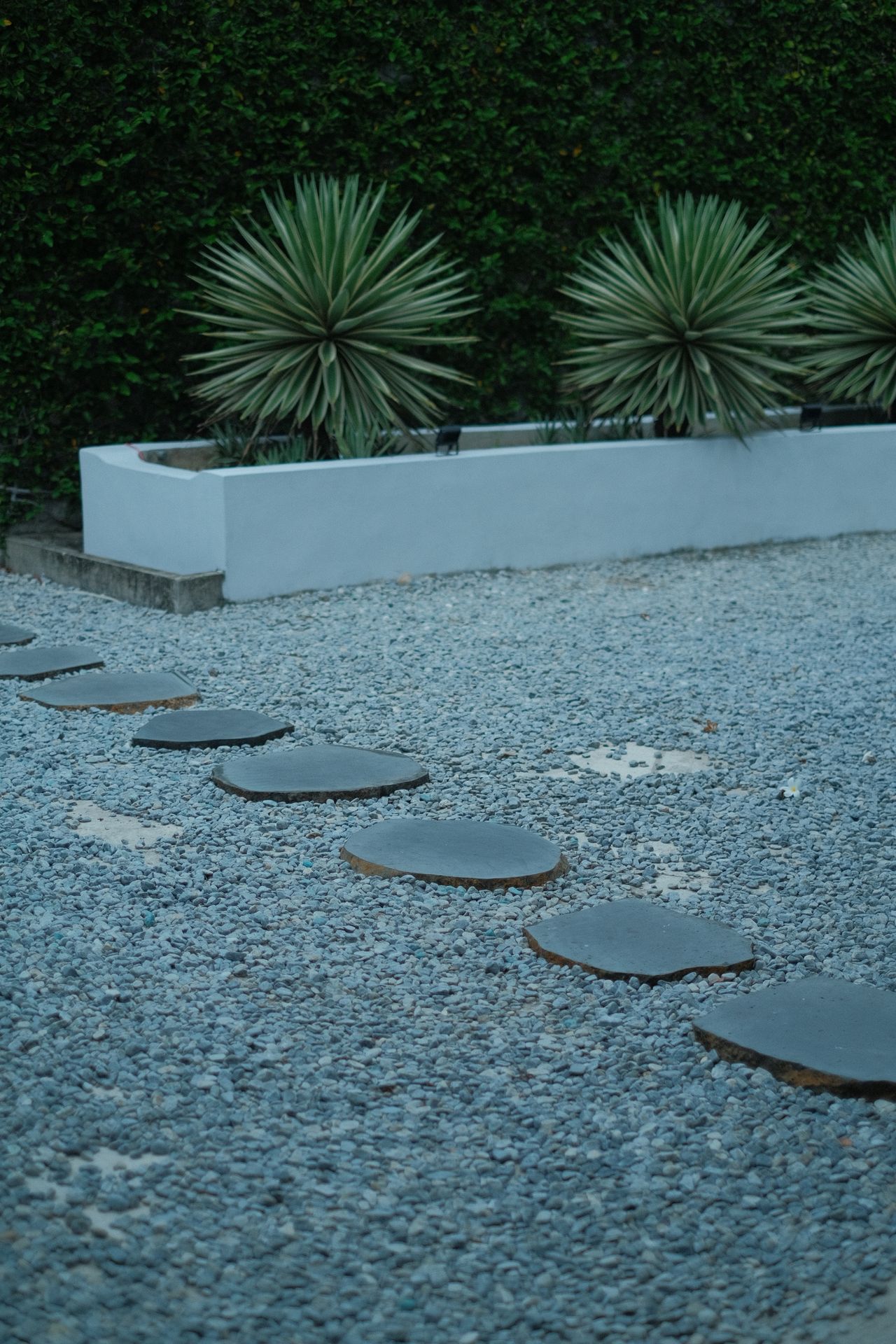
Front Range homes face one of the most aggressive freeze-thaw cycles in the country, and that climate quietly destroys outdoor flooring that was not installed correctly. A patio poured at low PSI without air entrainment can scale and crack within just a few winters. A driveway placed on an uncompacted subbase will heave when groundwater freezes underneath it. Buyers in Colorado Springs, Monument, and Castle Rock have seen enough of this damage on neighboring properties that they actively look for the warning signs at showings. Listing photos and walkthroughs should foreground hardscape that has been built for the climate, which means a 4,000 PSI mix, air-entrained concrete, proper drainage slope away from the foundation, and a compacted Class 6 gravel subbase. Standards published by the American Concrete Institute and the Portland Cement Association support these specifications for severe freeze-thaw environments.
Smart Outdoor Flooring Decisions Before Listing
When buyers and inspectors evaluate outdoor flooring, they’re really weighing three things: appearance, structural condition, and expected remaining life. Here’s how common materials compare from a resale perspective.
| Outdoor flooring type | Typical lifespan (when installed correctly) | Maintenance level | How buyers typically read it | Best use at resale |
| Poured concrete | 25–30+ years | Low (occasional sealing, minor repairs) | Durable, low‑maintenance, expected for driveways | Driveways, front walkways, back patios |
| Pavers (concrete) | 25+ years, but joints shift over time | Moderate (joint sand, weed control, occasional releveling) | Flexible for repairs, but settlement and weeds can signal neglect | Back patios, accent areas in mid‑to‑high‑end homes |
| Wood decking | 10–20 years, depending on species and care | High (annual/cyclic staining, sealing, rot checks) | Future expense; ongoing maintenance and replacement risk | Backyards in traditional or craftsman‑style homes |
| Composite decking | 15–25+ years | Moderate to low (cleaning, occasional staining if cheaper grades) | Longer‑lasting than wood, but high replacement cost when it fails | Backyards where budget allows for premium look |
| Stamped / colored concrete | 25–30+ years (if base is solid) | Low to moderate (sealer refresh every few years) | Visual upgrade, but highly personal taste; risk of looking dated | Patios and walkways if kept neutral and well maintained |
If you are six to twelve months from selling, the highest-return outdoor flooring moves usually fall in this order:
- Pressure wash and seal existing concrete to restore color and protect the surface.
- Repair or replace clearly cracked sections of driveway and front walkway.
- Add a back patio if the home has none, sized for a table and four chairs at minimum.
- Resurface or stamp existing concrete for visual upgrade at lower cost than full replacement.
- Address drainage and grading issues that are causing visible damage.
Avoid over-investing in highly personal finishes such as aggressive color stamping or unusual stone patterns, because buyer taste varies. Keep your choices neutral, durable, and obviously well maintained.
The smartest investments in outdoor flooring for your home are the ones that meet buyer expectations without exceeding them. A clean, structurally sound driveway, a generous and functional back patio, and a level walkway from curb to door will outperform almost any flashier upgrade dollar for dollar at resale. When you are planning a project that will be evaluated by inspectors, appraisers, and buyers, work with a licensed Colorado Springs Concrete contractor who understands both the material requirements of the Front Range climate and the resale value math driving the decision.
For contractors looking to grow a residential concrete business, there’s a lot to learn about positioning your services around resale value and climate‑ready specs. Home Business Magazine has guides on how skilled trades can turn into home businesses and how website content can help start‑ups attract more clients.
FAQs
1. Does Outdoor Flooring Really Affect My Home’s Resale Value?
Yes. Agents and appraisers consistently report that the condition and quality of driveways, walkways, and patios can swing perceived value by tens of thousands. Poor condition signals deferred maintenance and is used as leverage in negotiations.
2. How Much Value Can Good Curb Appeal and Exterior Hardscape Add?
Published research from Michigan State University documents home value premiums of roughly 5–11% from high‑quality landscape design and exterior presentation. The driveway and front walkway are the largest hardscape elements in that equation.
3. Is a Concrete Patio Worth Adding Before I List?
In most markets, yes. After 2020, buyers expect functional outdoor living space. A well‑built concrete patio with seating area and some visual detail stages as extra usable living space, improves listing photos, and can help buyers stay longer at the property, increasing the likelihood of an offer.
4. Which Outdoor Flooring Material Gives the Best Resale Impact?
For driveways and front walkways, poured concrete generally wins on buyer confidence because it’s expected to last 25–30+ years with minimal maintenance when installed correctly. In the backyard, pavers and decking can work well if the home’s style and price point support them, but they come with different maintenance and lifespan expectations.
5. What Defects in Outdoor Flooring Subtract the Most Value?
Common value‑draining defects include surface scaling, edge spalling, heaving at joints, settlement near downspouts, pooling water, and rust or oil staining. These often lead to price concessions in the thousands, especially if they suggest foundation movement or poor subgrade preparation.
6. How Much Should I Spend on Outdoor Flooring Before Selling?
The smartest investments are the ones that meet buyer expectations without exceeding them: a clean, structurally sound driveway, a level walkway from curb to door, and a functional back patio. Repairs and resurfacing usually outperform flashy, highly personalized upgrades dollar for dollar at resale.
7. Does Colorado’s Climate Change What Buyers Expect in Outdoor Flooring?
Yes. Front Range buyers are used to seeing damage from aggressive freeze‑thaw cycles. They actively look for signs of proper installation: 4,000 PSI air‑entrained concrete, drainage sloped away from the foundation, and a compacted gravel subbase. Outdoor flooring that looks built for the climate increases buyer confidence.
Find a Home-Based Business to Start-Up >>> Hundreds of Business Listings.