











































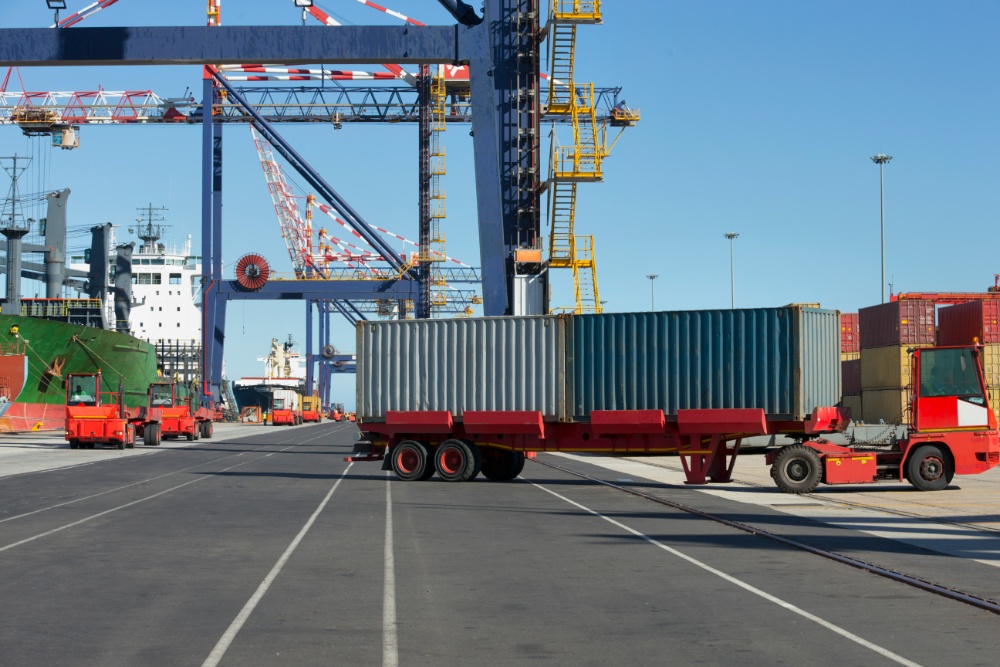
The wrong freight mode rarely fails loudly at the beginning; it fails later, in margin erosion, missed delivery windows, customs pressure, damaged goods, or stock sitting where it should not be. Choosing the freight mode between road, sea, air and rail is not a theoretical exercise. It is a business decision shaped by time, cost, geography, risk tolerance and the promises made to customers.
What Is the Real Priority: Speed, Cost or Certainty?
Every freight decision begins with a trade-off. Air is fast but expensive. Sea is economical for volume but slower and exposed to port congestion. Road is flexible, especially over short and medium distances, but can suffer from driver shortages, fuel volatility and border delays. Rail often sits in the middle: stronger on emissions and bulk capacity, less agile at the first and last mile.
A manufacturer shipping replacement parts to keep a production line running will not evaluate freight in the same way as a retailer replenishing seasonal furniture. In the first case, speed protects revenue. In the second, cost control may matter more than shaving two days from transit time.
The practical question is not “Which mode is best?” but “Which mode protects the business outcome?” That distinction changes everything when choosing freight mode.
When Does Road Freight Make the Most Sense?
Road freight is the workhorse of logistics. It is often the most practical option for regional distribution, e-commerce replenishment, cross-border European flows, construction materials, food products and industrial components moving between plants.
Its strength lies in flexibility. A truck can leave at short notice, reach warehouses directly and adjust routes faster than most other modes. For shipments under a few pallets, less-than-truckload services can also make road transport financially attractive.
But road is not immune to pressure. Toll costs, fuel surcharges, congestion, weather and regulatory constraints can all affect performance. For temperature-controlled goods, high-value cargo or time-slot deliveries to supermarkets, carrier reliability matters as much as the rate on the quote.
Is Maritime Freight Still the Best Option for International Volume?
For large intercontinental shipments, sea freight remains difficult to beat on cost per unit. Containers make it possible to move heavy, bulky or non-urgent cargo at scale: machinery, textiles, consumer goods, raw materials, packaging and automotive parts.
The weakness is time. Ocean freight requires planning discipline. Production schedules, booking windows, port operations, customs documentation and inland delivery must be aligned early. A “cheap” shipment becomes expensive if the inventory arrives after a sales campaign or factory deadline.
Companies with predictable demand often benefit from maritime freight because they can build longer lead times into their supply chain. Those operating under volatile demand need buffers, alternative routings or hybrid solutions to avoid being trapped by delays.
When Is Air Freight Worth the Premium?
Air freight is rarely chosen because it is cheap. It is chosen because the cost of waiting is higher. Pharmaceuticals, aerospace parts, luxury goods, electronics launches, urgent samples and critical spare parts often justify the premium.
The calculation should include more than transport price. If air freight prevents a production shutdown, avoids contractual penalties, reduces safety stock or protects a market launch, it may deliver a strong return despite its high unit cost.
However, air cargo capacity can be sensitive to seasonality, geopolitical disruption and passenger flight schedules. It also carries a higher carbon footprint, which is becoming increasingly relevant for companies under ESG reporting pressure.
Where Does Rail Freight Fit in the Decision?
Rail freight is often underestimated because it is less visible than trucks and less global than ocean shipping. Yet for long-distance continental flows, especially between major hubs, it can offer a strong balance between cost, capacity and emissions.
It is particularly relevant for heavy goods, automotive flows, chemicals, steel, agricultural products and containerized cargo moving across corridors where infrastructure is mature. Rail can also reduce road dependency when driver availability or emissions targets become constraints.
The limitation is access. Rail works best when origin and destination are connected to efficient terminals, and when the last-mile operation is properly organized. Without that, savings on the main leg can be diluted by handling, waiting time and additional trucking.
How Should Companies Compare Freight Modes in Practice?
A reliable comparison of choosing freight modes should go beyond the headline transport rate. The full picture includes transit time, reliability, cargo value, packaging needs, insurance, customs exposure, storage costs, environmental impact and the financial consequences of delay.
For example, a shipment of low-value garden furniture can usually tolerate a longer maritime route if demand is forecast correctly. A batch of medical devices needed for hospital installation cannot. A pallet of promotional products for a one-day event may justify air freight because late delivery would make the goods worthless.
Many shippers also benchmark their options with established logistics providers. For complex flows involving multimodal transport, customs management and regional distribution, consulting a global operator such as CEVA Logistics can help clarify where a single mode is enough and where a combined solution is more resilient.
Should Multimodal Freight Be Part of the Strategy?
Increasingly, the best answer is not one mode but several. A container may cross an ocean by ship, continue inland by rail, then reach the final warehouse by truck. Urgent components may fly for the first movement, while replenishment stock follows by sea.
Multimodal freight is not just a compromise. It can reduce emissions, improve capacity access, control costs and create fallback options when one part of the network is disrupted. The key is orchestration: handovers, documentation, tracking visibility and accountability must be clear.
Without that control, multimodal transport can become a chain of blind spots. With it, it becomes a competitive advantage.
What Mistakes Should Be Avoided?
The most common mistake is choosing freight mode purely on price. The cheapest quote can become expensive if it increases claims, delays, stockouts or administrative workload.
Another error is treating transport as separate from inventory strategy. A company that wants lower stock levels may need faster or more reliable freight. A company that accepts longer lead times may unlock lower transport costs but must forecast better.
Finally, many businesses underestimate documentation. Customs codes, commercial invoices, certificates, dangerous goods declarations and packaging standards can determine whether cargo moves smoothly or gets stuck at the worst possible moment.
The right freight mode is the one that protects the promise behind the shipment.
Road, sea, air and rail each have their logic, but the strongest supply chains do not choose by habit. They choose by consequence: what happens if the goods arrive late, cost too much, emit too much, or fail to arrive at all.
What Is Freight in Logistics?
Freight is the movement of goods by road, sea, air or rail.
It covers commercial cargo rather than passenger transport. The term can refer to the goods themselves, the transport service, or the cost paid to move them.
Which Freight Mode Is the Cheapest?
Sea freight is usually the cheapest for large international volumes.
For shorter distances, road may be more competitive because it avoids port handling and complex transfers. The real cost depends on volume, urgency, route and service level.
Is Air Freight Always Faster than Other Options?
Air freight is generally the fastest mode for long distances.
However, total lead time also includes pickup, security screening, customs clearance and final delivery. For some regional shipments, direct road transport can be surprisingly competitive.
Sources
- International Transport Forum
- European Commission, Mobility and Transport
- IATA, Air Cargo Market Analysis
- AI-assisted writing
Find a Home-Based Business to Start-Up >>> Hundreds of Business Listings.


