










































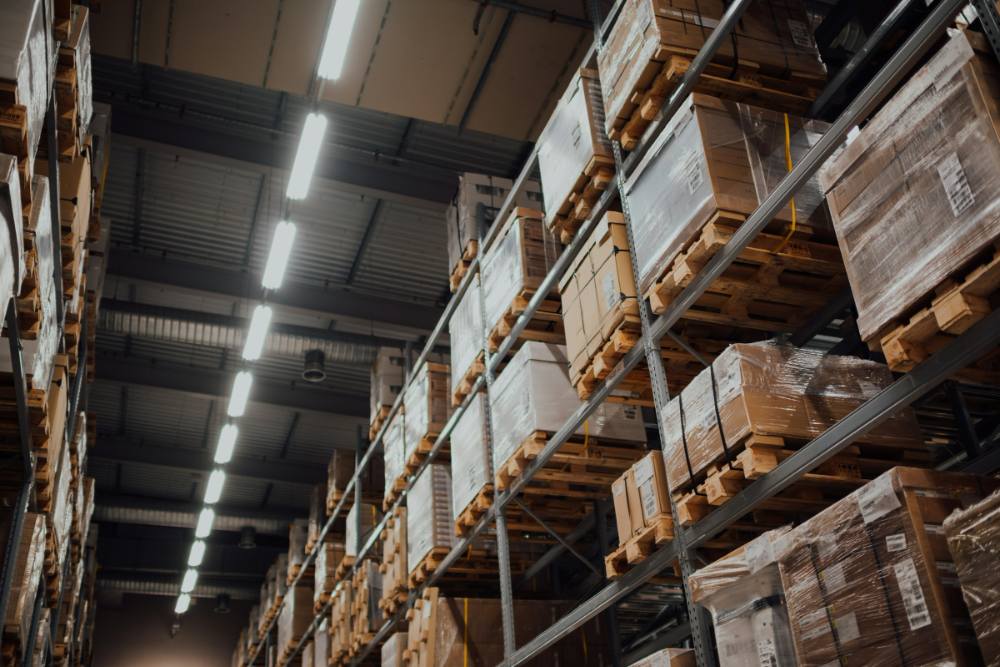
Automated storage equipment, such as vertical lifts and mobile shelving, delivers the most value when it is properly integrated with warehouse or inventory management software, since the physical hardware alone cannot track stock levels, locations, and pick data. Choosing software that integrates well with a chosen storage system, rather than treating the two as separate purchasing decisions, tends to determine how much operational benefit a business actually gets from automation. Randex is one of the suppliers offering storage systems designed to work alongside this kind of warehouse software.
Why Storage Hardware and Software Need to Work Together
Automated storage systems are only as useful as the data behind them, since knowing what is stored where, and how quickly it needs to be replenished, depends on accurate software tracking rather than the physical equipment itself. A vertical lift or mobile shelving unit can improve space efficiency and retrieval speed, but without software integration, these benefits are limited to manual tracking, which reintroduces many of the errors automation is meant to remove. Businesses considering automated storage should treat the software layer as an essential part of the investment rather than an optional add-on.
What Warehouse Management Software Actually Does
Warehouse management software typically tracks inventory levels, locations, and movement history, while often also managing order picking, replenishment triggers and reporting. When integrated with automated storage hardware, this software can direct retrieval systems to bring specific trays or shelves to an operator automatically, reducing manual search time. It can also flag discrepancies between expected and actual stock levels more quickly than manual stocktaking processes, which helps identify issues such as miscounts or misplaced items before they affect order fulfilment.
Compatibility Considerations Before Choosing Software
Not all warehouse software integrates equally well with every type of storage hardware, so businesses should confirm compatibility before committing to either a software platform or a storage system. This includes checking whether the software can communicate directly with the storage equipment controller, or whether a middleware layer would be required, which can add cost and complexity. Existing business systems, such as accounting or order management platforms, also need to be considered, since warehouse software that cannot integrate with these may create additional manual data entry rather than reducing it.
How Data Accuracy Improves With Integrated Systems
When storage hardware and software are properly integrated, every retrieval and put-away action can be logged automatically, which significantly improves the accuracy of inventory records compared with manual entry systems. This is particularly valuable for businesses managing a large number of stock-keeping units, where manual tracking errors tend to accumulate over time. Improved data accuracy also supports better demand forecasting and reorder planning, since decisions can be based on reliable historical data rather than estimates drawn from incomplete records.
Scalability of Software as Storage Needs Grow
Businesses expanding their storage capacity, whether by adding additional automated units or increasing overall inventory volume, need software that can scale alongside this growth without requiring a complete system replacement. It is worth asking prospective software providers how their platform handles additional storage locations, higher transaction volumes and multiple warehouse sites if relevant. Software that is difficult or costly to scale can become a limiting factor on storage expansion, even where the physical hardware itself could otherwise accommodate additional capacity.
Training and Support Needs for New Software Systems
Introducing new warehouse software alongside automated storage equipment typically requires staff training, since even well-designed systems involve a change from existing manual or partially manual processes. Businesses should factor in the time and resources needed for this transition, along with the level of ongoing support a software provider offers should issues arise. Systems with clear user interfaces and accessible support tend to see faster staff adoption, which affects how quickly a business can realise the operational benefits of its storage automation investment.
Making Storage Automation Work as One System
Software is not a secondary consideration when investing in automated storage, but an integral part of whether that investment delivers the space, speed and accuracy improvements it promises. Storage suppliers such as Randex, which design equipment with software integration in mind, can help simplify this decision, though businesses should still evaluate compatibility, scalability and support carefully against their own operational needs. Treating hardware and software as a single connected system, rather than two separate purchases, tends to produce a more reliable outcome overall.
Find a Home-Based Business to Start-Up >>> Hundreds of Business Listings.


