









































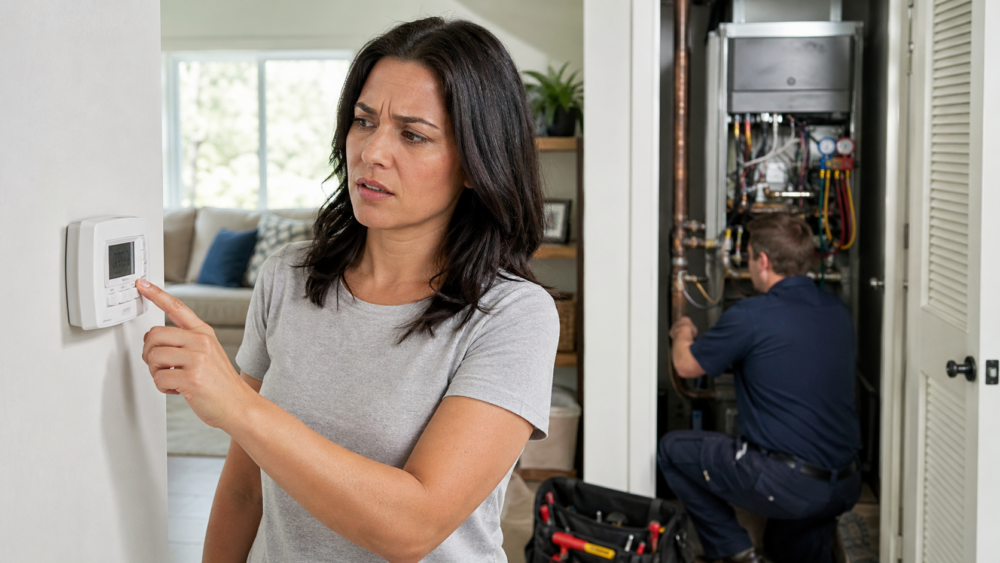
A heat pump is designed to keep a home comfortable through changing seasons, but like any hardworking HVAC system, it can begin to show signs of wear over time. Sometimes the problem is obvious, such as weak airflow or unusual noises. In other cases, the warning signs are easier to miss at first and only become clear when comfort starts to drop or energy bills begin to climb.
That is why homeowners benefit from paying attention to small changes in system performance. A heat pump rarely goes from working perfectly to failing without any warning at all. More often, it starts showing subtle signs that something is off—signs your heat pump needs repair. When these issues are noticed early, the problem is usually easier to diagnose and address before it leads to a more disruptive breakdown.
Uneven Temperatures and Reduced Comfort
One of the first signs of heat pump needs repair is a change in how the home feels from room to room. A system that once kept the house comfortable may begin struggling to maintain stable temperatures. Some spaces may feel warmer than expected, while others stay noticeably cooler no matter how long the system runs.
Homeowners usually notice this problem in a few common ways:
- One room feels comfortable while another does not;
- The upper floor stays warmer or cooler than the rest of the house;
- The system runs, but the home never seems to reach the desired temperature;
- Certain rooms feel stuffy, weakly heated, or poorly cooled.
This kind of change does not always mean the equipment is close to complete failure, but it does show that the system is no longer performing as it should. In some cases, the cause may be related to airflow restrictions, thermostat issues, worn components, or problems with the outdoor unit. In some cases, having a heat pump serviced by a professional can help pinpoint the real issue before it leads to a larger repair.
What makes this especially important is that many homeowners wait too long to react. They adjust the thermostat, assume the weather is the reason, or hope the issue will disappear on its own. In reality, uneven temperatures are often one of the earliest signs that the system needs attention before a larger repair becomes necessary.
Higher Energy Bills Without a Clear Reason
Another sign that a heat pump may need attention is a steady increase in energy costs without an obvious reason. If the household is using the system the same way as before, but monthly bills begin rising, it can mean the equipment is working harder than it should to maintain the same level of comfort.
Homeowners usually notice this problem in a few ways:
- The system seems to run more often than before;
- Indoor comfort feels less stable even with higher usage;
- Utility bills rise without a major weather shift;
- The home takes longer to cool or heat.
A higher bill does not always point to a serious failure, but it is often an early signal that something is off. In many cases, identifying the issue early helps avoid a larger repair later. What seems like a minor efficiency problem at first can turn into a much more disruptive breakdown when the system is left unchecked.
Unusual Noises and Short Cycling
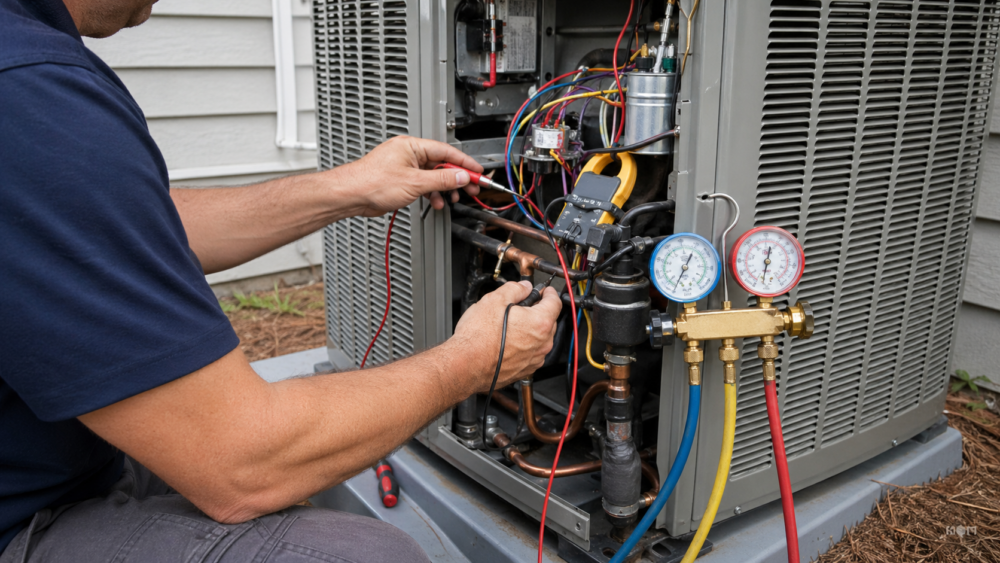
Heat pumps are not completely silent, but homeowners usually get used to the normal sound of their system. That is why unusual noises often stand out quickly. Rattling, buzzing, grinding, or repeated clicking can signal that a component is loose, worn, or no longer working the way it should.
Another warning sign is short cycling. This happens when the system turns on and off more often than normal instead of completing steady operating cycles. From the homeowner’s point of view, it may look like the unit is still running, but comfort becomes less stable and the equipment seems to struggle to settle into normal operation.
These signs matter because they often point to developing issues rather than a one-time fluctuation. A heat pump that starts making new noises or cycling too frequently is usually telling the homeowner that something inside the system needs attention. Waiting too long can put extra strain on the equipment and increase the chance that a smaller repair turns into a larger one.
Why Early Repairs Usually Save Homeowners More Trouble
Many heat pump problems begin as performance issues rather than full breakdowns. The system may still run, but it no longer works with the same efficiency, consistency, or reliability. That is exactly why early attention matters. When a homeowner responds to the first warning signs, the repair process is usually simpler and less disruptive.
Small problems tend to place additional strain on the rest of the system. A component that is wearing out can affect airflow, temperature control, or cycle length, which then forces other parts of the equipment to work harder than they should. Over time, that added strain can lead to more expensive repairs and a greater chance of losing heating or cooling when the system is needed most.
For homeowners, the practical benefit of acting early is not just avoiding a larger invoice. It is also about protecting daily comfort, reducing the risk of sudden system failure, and keeping the equipment operating as reliably as possible through the season. In many cases, scheduling a heat pump repair service at the first sign of trouble helps restore performance before the issue grows into a bigger interruption.
When It Is Time to Take Action
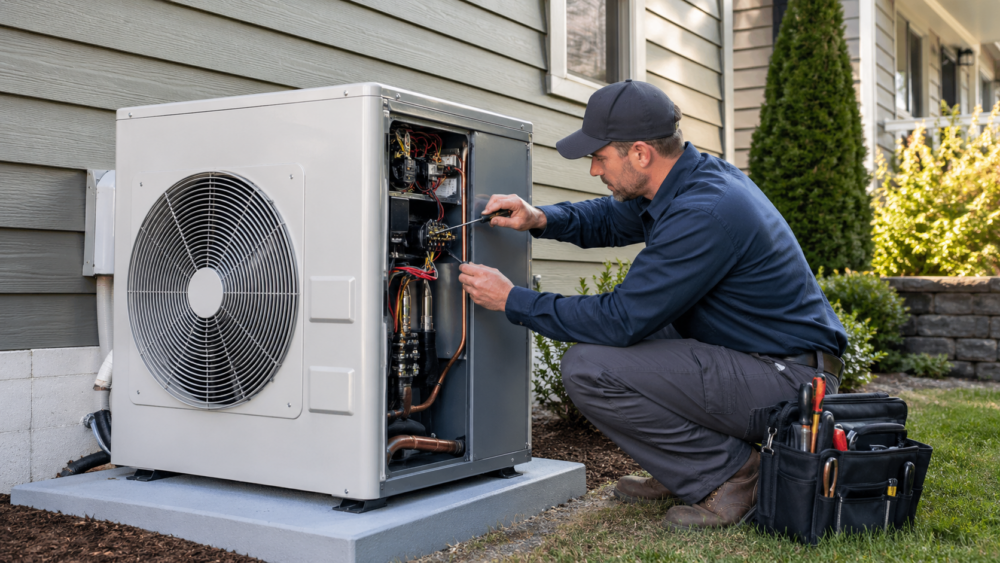
A heat pump usually gives homeowners more than one sign when something is wrong. The system may stop maintaining even temperatures, begin running longer than usual, make new noises, or lead to rising energy costs without a clear explanation. On their own, these changes may seem minor, but together they often point to a system that needs professional attention.
The good news is that many repair issues are easier to handle when they are caught early. Homeowners who respond to warning signs sooner are often in a better position to avoid larger disruptions, protect indoor comfort, and keep the system working more efficiently through the season.
Find a Home-Based Business to Start-Up >>> Hundreds of Business Listings.