







































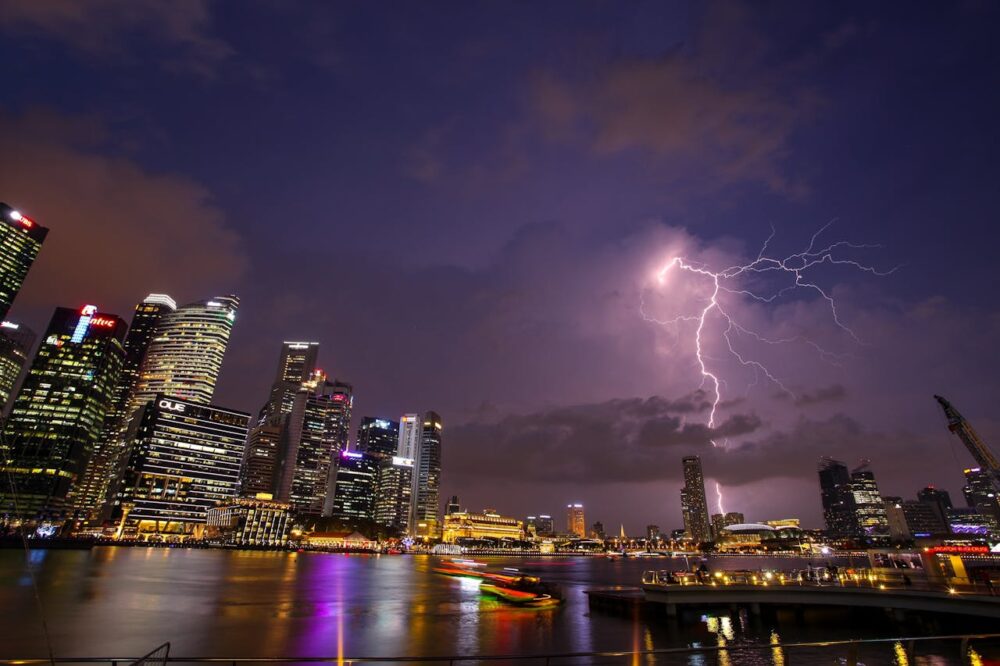
Power surges can happen without warning and may damage electrical systems, appliances, and sensitive equipment. Lightning strikes, utility switching, power restoration, and internal equipment cycling can all create sudden voltage spikes that travel through an installation.
A properly selected surge protection device helps control excess voltage before it reaches connected systems. Understanding Type 1, Type 2, and Type 3 SPDs is important because each surge protection device protects a different point in the electrical system for your installation work. When coordinated correctly, they create layered protection that supports safety, reliability, and long-term equipment performance.
Understanding How Surge Protection Works
Surge protection devices divert excess electrical energy away from sensitive equipment. This matters because modern electrical systems often include delicate electronics that can be affected by even short voltage spikes.
Surges may come from outside the building, such as lightning activity or utility switching. They may also come from inside the facility when large motors, HVAC systems, industrial machinery, or other high-demand equipment start and stop. These disturbances move quickly through wiring and may damage connected devices if no protection is installed.
Why Surge Protection Matters
Without proper surge protection, electrical disturbances can shorten equipment lifespan, increase repair costs, and cause unexpected downtime during your installation. Communication systems, industrial controls, medical equipment, smart home devices, and data infrastructure are especially vulnerable because they often operate with lower voltage tolerances.
What Is a Type 1 SPD?
Type 1 SPDs are installed at the main electrical service entrance. They act as the first line of defense against major surge events before those surges move deeper into the electrical system.
Primary Role
Type 1 devices are designed to handle high-energy surges, including those caused by lightning strikes or utility-side disturbances. They are commonly used in buildings exposed to frequent storms, unstable utility supply, or high-risk external surge conditions.
In commercial and industrial installations, Type 1 SPDs are usually installed near incoming utility lines or at the main distribution panel. Their purpose is not to provide fine protection for individual electronics. Instead, they reduce the overall surge energy entering the building.
| Feature | Purpose |
| High surge current capacity | Handles large external surges |
| Lightning protection capability | Helps manage direct or nearby lightning-related events |
| Main panel installation | Provides first-level protection |
What Is a Type 2 SPD?
Type 2 SPDs are commonly used in residential, commercial, and light industrial installations. While Type 1 devices manage large external surge energy, Type 2 SPDs reduce the remaining transient voltage within the internal electrical distribution system.
Where Type 2 Devices Are Used
These devices are typically installed in distribution boards, electrical panels, or branch circuits. They protect internal wiring and connected equipment from indirect lightning effects, switching surges, and everyday voltage fluctuations.
Type 2 SPDs are practical because many daily surge events are moderate rather than extreme. They help protect appliances, lighting systems, controls, and general electrical equipment before smaller surges reach sensitive devices.
| Benefit | Explanation |
| Broad equipment protection | Supports everyday electronics and appliances |
| Reduced surge impact | Limits voltage spikes inside the system |
| Flexible installation | Suitable for homes, offices, and facilities |
What Is a Type 3 SPD?
Type 3 SPDs provide localized protection for sensitive electronics. They are installed close to the equipment they protect, such as near outlets, power strips, device connection points, or terminal equipment.
Final Layer of Protection
Unlike Type 1 and Type 2 devices, Type 3 SPDs focus on smaller residual surges that may still remain after upstream protection has already reduced the main surge energy. They are commonly used for computers, smart appliances, televisions, network systems, and other delicate electronics.
Type 3 devices should not be relied on as the only protection layer. They are most effective when used with upstream Type 1 and Type 2 SPDs.
How the Three SPD Types Work Together
Surge protection is strongest when all three SPD types work as a coordinated system. Each type manages a different level of electrical stress.
Type 1 SPDs reduce the largest external surges at the service entrance. Type 2 SPDs manage remaining transient voltage within the electrical distribution system. Type 3 SPDs provide final protection near sensitive equipment.
Why Layering Matters
A single SPD may not protect every part of an installation. If only point-of-use protection is installed, larger surges may overload it. If only main-panel protection is used, small residual surges may still reach sensitive electronics. Layered protection reduces these gaps and helps ensure that no single device carries more surge energy than it is designed to handle.
This approach is especially important in facilities that depend on continuous operation, such as data centers, hospitals, industrial plants, and smart buildings.
Choosing the Right SPD for Your Installation
The correct SPD strategy depends on building type, equipment sensitivity, electrical load, and lightning exposure. A home may require a simpler setup, while a commercial or industrial facility may need multiple protection stages across several panels.
Residential Installations
For homes, Type 1 or Type 2 protection is often installed at the main panel, while Type 3 devices are used near sensitive electronics. This setup helps protect household appliances, entertainment systems, smart controls, and communication equipment.
Commercial and Industrial Installations
Larger facilities usually require a more detailed strategy because they often contain higher-value equipment and more complex electrical systems. Multiple SPDs may be placed across main panels, sub-panels, and equipment connection points to maintain stable operation.
Common Installation and Maintenance Considerations
One common mistake is relying on only one SPD type for the entire installation. Surge protection is more effective when protection is layered across different points in the system.
Improper grounding is another major issue. SPDs need a reliable grounding path to divert excess energy safely. Poor grounding can reduce protection performance and may create additional electrical risks during major surge events.
Regular inspection also matters. SPDs wear down over time as they absorb repeated surge events. Warning indicator changes, visible damage, aging components, or reduced system performance may suggest that replacement is needed.
Supporting Safer Electrical Installations
Modern buildings increasingly depend on automation, renewable energy systems, communication networks, and advanced electronics. As these systems become more connected, surge protection becomes more important for maintaining stability and reducing downtime for your installation.
CHINT develops electrical solutions that help improve power reliability and support modern electrical infrastructure requirements.Properly coordinated surge protection systems help improve equipment reliability and support long-term electrical safety planning.
Conclusion
Choosing the correct surge protection strategy starts with understanding how Type 1, Type 2, and Type 3 SPDs work together. Type 1 devices manage large external surges, Type 2 devices reduce internal transient voltage, and Type 3 devices protect sensitive electronics at the point of use.
By combining these layers correctly, you can reduce equipment damage, improve electrical reliability, and support safer long-term operation. As electrical systems become more advanced and interconnected, properly selected surge protection remains an essential part of modern electrical design for your installation.
Find a Home-Based Business to Start-Up >>> Hundreds of Business Listings.