











































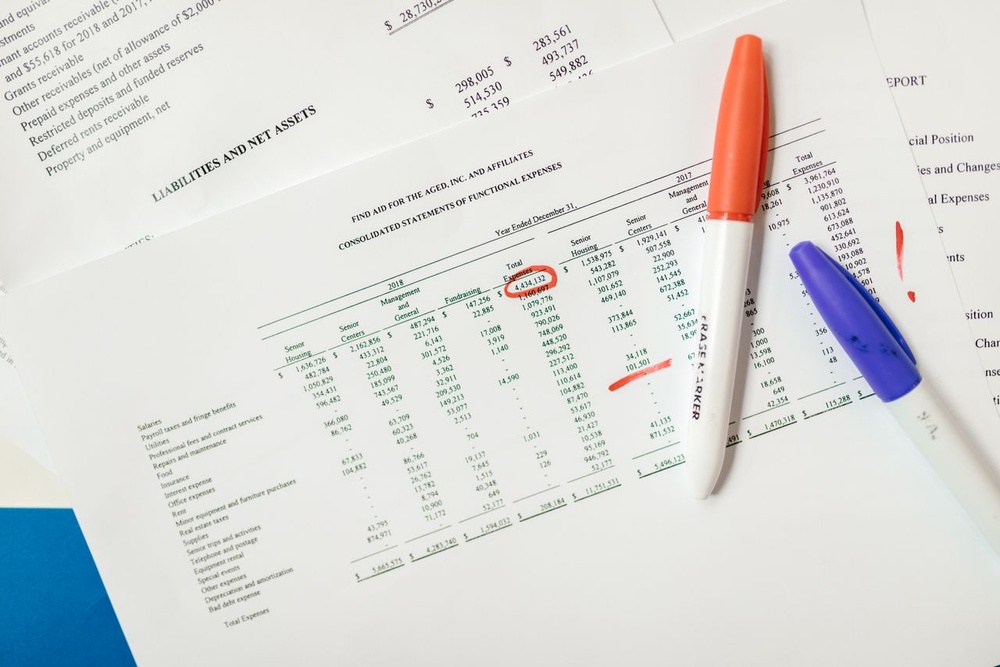
Many small businesses hit the same barrier during their growth path. The tools that got them to a certain stage no longer serve them, and have become hindrances. Typically this tool is the spreadsheet that got their operations started. This type of business failure often appears minor at first, especially as a small business outgrows spreadsheets. It’s not unusual for a spreadsheet’s pricing tab to not be updated before a whole quote is issued. Two employees might work on the same inventory file, resulting in one version unintentionally overwriting another. The mistake is often only identified when an order is fulfilled at the wrong price or reordered due to inaccurate stock levels.
The Hidden Price of ‘It Still Works’
Spreadsheets fail small businesses in subtle ways which only become apparent after significant damage has already been incurred. The lack of an audit trail prevents tracking changes and identifying the source of mistakes. Without inter-departmental syncing, sales may quote a price that production cannot meet, or inventory error could lead to stockout, with notification only triggering once customers call.
A mid-sized wholesale quote error and an inventory discrepancy might combine to cost the business several thousand dollars in a quarter once re-shipping and lost accounts are factored in. For an entire year’s worth, a mid-level inventory management system could be purchased.
Why Owners Defer the Inevitable
Anxieties about cost can delay this necessary transition. Owners hear the words ‘enterprise software’ and picture huge, multi-million dollar implementations. The good news is that these anxieties are often outmoded.
Previously, researching the best ERP for small business meant sifting through systems designed for manufacturing firms with 500 or more employees and matching price tags. Cloud-based solutions with per-user, per month pricing and week-long implementations are now readily available.
Another reason for this hesitation is inertia. Upgrading systems during the middle of a quarter may feel more risky than tolerating another spreadsheet-related error. Many put off the transition for a year or two by convincing themselves they don’t have the time, only to be forced to act after a shipment gets lost for a week or delayed due to customs.
What Changes on the Other Side
Those who commit to the change describe a crucial difference: production managers and sales representatives can finally see the same numbers, in real time. The business has a clear trail when a customer or broker asks a question about a past order, and no longer has to deal with slightly outdated file versions.
Business owners mention specific, recurring issues that have finally stopped. Duplicate SKU entries, invoices printed with last quarter’s tax rates and the order that was placed twice because no one was aware that has been completed, are all things of the past.
The Tipping Point is Error Rate, Not Revenue
The standard advice suggests changing systems when revenue hits a certain threshold. A more realistic indicator would be to simply keep track of how many times an error caused by duplicate data causes a problem each month. Once that number exceeds two or three, the small business outgrows a spreadsheet; a spreadsheet is no longer saving time, but rather postponing the expense of a larger error to the following month.
Find a Home-Based Business to Start-Up >>> Hundreds of Business Listings.


