









































Operating a castle accommodation business represents one of the most unique and potentially rewarding ventures in the hospitality industry. These historic properties offer guests an unparalleled experience, combining luxury with centuries of history and architectural grandeur. However, the distinctive nature of castle properties presents specific challenges that require careful planning, substantial investment, and meticulous attention to detail. Success in this niche market demands not only excellent hospitality skills but also a deep understanding of heritage conservation, regulatory compliance, and the art of balancing authenticity with modern comfort.
This comprehensive guide explores the essential strategies for running a thriving castle accommodation business that delights guests whilst preserving the property’s historic integrity.
Understanding Your Property and Its Heritage
Before you run a castle accommodation business, it is crucial to thoroughly understand the historical significance and structural characteristics of your property before embarking on the operational aspects. Castles often come with listed building status, which means any modifications or renovations must comply with strict conservation regulations. Familiarise yourself with local heritage laws and establish relationships with conservation officers who can guide your development plans.
Conduct a comprehensive survey of the property to identify areas requiring immediate attention, potential safety hazards, and opportunities for development. Many castles have structural quirks, hidden chambers, or architectural features that may not be immediately apparent. Understanding these elements allows you to incorporate them into your guest experience whilst ensuring their proper preservation.
Document the castle’s history meticulously, researching previous owners, significant events, and architectural evolution. This historical narrative becomes invaluable marketing material and enriches the guest experience. Consider hiring a historian or archivist to help compile this information, as guests increasingly seek authentic historical connections when choosing castle accommodation.
Meeting Modern Safety and Regulatory Standards
One of the most significant challenges in operating castle accommodation is bringing centuries-old structures up to contemporary safety standards without compromising their historic character. Fire safety represents a paramount concern, particularly in buildings with timber features, narrow staircases, and limited emergency exits. Install comprehensive fire detection and suppression systems, ensuring they are as discreet as possible to maintain aesthetic integrity.
Accessibility presents another important consideration. Whilst complete accessibility may be impossible in some historic structures, make reasonable adjustments where feasible. Install ramps where appropriate, provide ground-floor accommodation options, and ensure accessible facilities are available. Clearly communicate accessibility limitations in your marketing materials to avoid disappointing guests.
Obtain all necessary licences and insurance coverage specific to heritage accommodation. This typically includes public liability insurance, buildings insurance that accounts for historic reconstruction costs, and specific licenses for serving alcohol or hosting events. Consult with specialists in heritage property insurance, as standard policies rarely provide adequate coverage for castle properties.
Creating Authentic Yet Comfortable Guest Experiences
The essence of successful castle accommodation lies in striking the perfect balance between historical authenticity and modern comfort. Guests choose castle stays for the atmosphere and experience, yet they still expect contemporary amenities. Carefully integrate modern conveniences such as heating, Wi-Fi, and ensuite bathrooms without destroying the property’s historic character.
Choose furnishings and décor that reflect the castle’s period whilst providing genuine comfort. Heavy drapes, substantial furniture, tapestries, and appropriate artwork create atmosphere, but ensure beds feature quality modern mattresses and bedding. Bathrooms present particular challenges; where possible, install them in former dressing rooms or service areas rather than compromising principal chambers.
Temperature control in stone buildings requires thoughtful solutions. Traditional radiators disguised as period pieces, underfloor heating, and strategic use of fireplaces can maintain comfort without visible modern intrusions. Invest in high-quality heating systems, as inadequate warmth remains the most common complaint about historic property accommodation.
Develop unique experiences that capitalise on the castle’s heritage. Offer historical tours, medieval banquets, traditional afternoon teas, or partnerships with local historical societies for talks and presentations. These offerings justify premium pricing whilst creating memorable experiences that generate positive reviews and repeat bookings.
Staffing and Service Excellence
Running a castle accommodation business requires a carefully selected team with specific skills and sensibilities. Look for staff members who not only possess hospitality experience but also demonstrate genuine enthusiasm for history and heritage. They will serve as ambassadors for the property, sharing its stories and enhancing the guest experience through their knowledge and passion.
Provide comprehensive training covering the castle’s history, architectural features, and conservation principles. Staff should be able to answer guest questions about the property confidently and accurately. Additionally, train your team in the particular operational challenges of historic buildings, from managing temperamental heating systems to navigating irregular floor levels safely.
Consider the staffing structure carefully. Depending on your property’s size and offerings, you may require housekeeping staff experienced with delicate historic fabrics and surfaces, maintenance personnel skilled in traditional building techniques, and front-of-house staff capable of delivering discreet, high-quality service. For smaller operations, versatile team members who can fulfil multiple roles prove invaluable.
Establish service standards appropriate to the property’s positioning. Castle accommodation typically commands premium prices, and guests consequently expect exemplary service. However, the service style should complement the setting—perhaps more country-house than formal hotel, emphasising warmth and personal attention over corporate efficiency.
Marketing Your Castle Experience
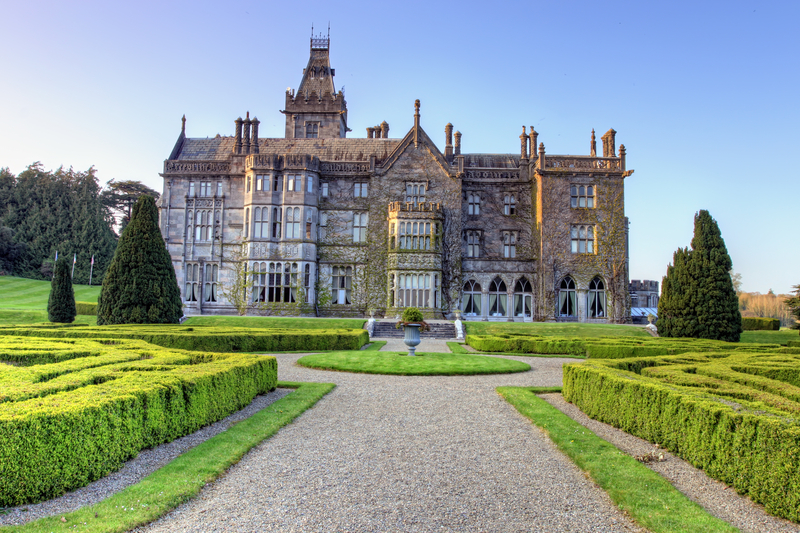
Marketing castle accommodation requires a distinctive approach that emphasises the property’s unique characteristics and the exclusive experience it offers. Invest in professional photography that captures both grand architectural features and intimate atmospheric details. Images should convey the castle’s scale and magnificence whilst also highlighting comfort and welcome.
Develop a compelling brand narrative centred on the castle’s history and the unique experiences guests will enjoy. Your marketing materials should transport potential guests imaginatively into the property before they arrive. Use storytelling techniques that highlight specific historical events, architectural features, or romantic legends associated with the castle.
Target your marketing towards appropriate demographics. Castle accommodation appeals to various groups: couples seeking romantic getaways, history enthusiasts, luxury travellers, wedding parties, and corporate groups desiring unique venues. Tailor your messaging and channel selection to reach these segments effectively. Utilise social media platforms like Instagram and Pinterest, where visual content performs exceptionally well.
Cultivate relationships with luxury travel agents, wedding planners, and event coordinators who can recommend your property to appropriate clients. Participate in heritage tourism initiatives and listings, as many travellers specifically seek historic accommodation experiences. Consider partnering with historic houses associations or castle tourism networks to increase visibility.
Diversifying Revenue Streams
Relying solely on overnight accommodation may not provide sufficient revenue to maintain a castle property adequately. Successful castle businesses typically diversify their income through complementary offerings. Weddings and events represent significant revenue opportunities, as castles provide spectacular settings for celebrations. Develop comprehensive wedding packages and invest in the infrastructure required to host events successfully.
Corporate retreats and team-building events offer another lucrative market. Many businesses seek distinctive venues for strategy meetings, leadership development, or client entertainment. Emphasise your property’s facilities for meetings whilst highlighting the inspiring environment a castle provides.
Consider offering exclusive-use bookings for families or groups celebrating special occasions. The ability to hire an entire castle appeals to those seeking privacy and a truly bespoke experience. Price exclusive use appropriately to reflect both the privilege and the operational considerations involved.
Explore partnerships with film and television production companies. Castles are perennially popular filming locations, and whilst such arrangements can be disruptive, they provide substantial income and valuable publicity. Establish clear terms regarding access, potential damage, and restoration requirements before agreeing to filming arrangements.
Maintenance and Conservation
The ongoing maintenance of a castle requires substantial financial resources and specialist expertise. Establish a comprehensive maintenance programme that addresses both routine upkeep and long-term conservation needs. Regular inspections of roofing, stonework, drainage, and timber elements prevent minor issues from developing into major problems.
Budget conservatively for maintenance costs, which typically exceed those for conventional properties. Create a substantial reserve fund for unexpected repairs, as historic buildings invariably present surprises. Prioritise preventive maintenance over reactive repairs, as early intervention usually proves more cost-effective and less disruptive to guests.
Develop relationships with craftspeople skilled in traditional building techniques. Stonemasons, thatchers, lime plasterers, and timber-frame specialists may be required for authentic conservation work. Using appropriate traditional materials and methods preserves the building’s integrity and often proves more sustainable long-term than modern substitutes.
Document all conservation work thoroughly, maintaining detailed records of interventions, materials used, and contractors employed. This documentation proves valuable for future maintenance planning, heritage grant applications, and demonstrating your stewardship to regulatory authorities.
Conclusion
Running a castle accommodation business successfully requires dedication, substantial resources, and a genuine commitment to heritage conservation. The challenges are considerable—from navigating complex regulations and maintaining historic structures to meeting contemporary guest expectations whilst preserving authenticity. However, for those willing to invest the necessary effort and resources, castle accommodation offers extraordinary rewards: the privilege of stewarding a remarkable historic property, the satisfaction of creating unforgettable guest experiences, and the potential for a distinctive and profitable business.
Success ultimately depends on respecting the delicate balance between preservation and innovation, maintaining impeccable standards of service and comfort, and continually investing in both the property’s conservation and the guest experience. By approaching your castle accommodation business with professionalism, passion, and patience, you can create an enterprise that not only thrives commercially but also ensures these magnificent buildings continue to inspire and delight for generations to come.
Find a Home-Based Business to Start-Up >>> Hundreds of Business Listings.


