











































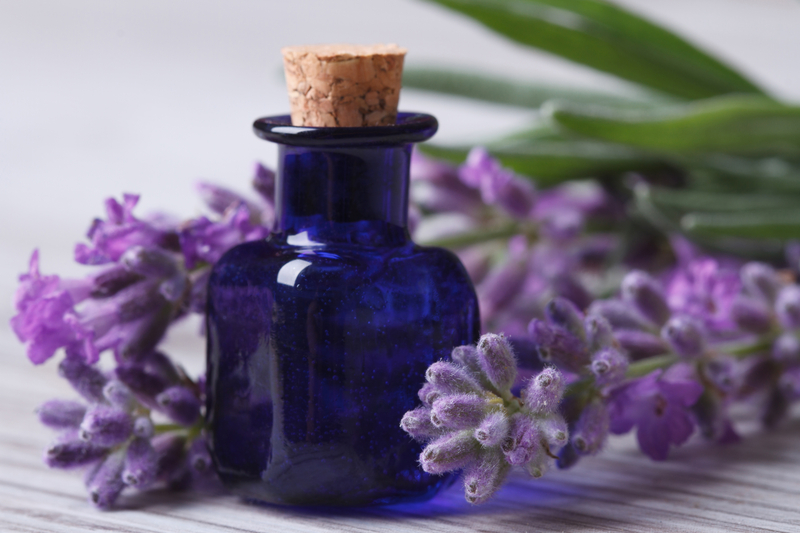
In any premium product business, packaging is more than a container. It is part of risk management. It helps protect product integrity, reduces avoidable waste, and supports a consistent customer experience across batches and markets. For brands working with light-sensitive natural ingredients, the right glass can make a measurable difference.
That is why many manufacturers choose biophotonic violet glass apothecary jars packaging designed to shield formulas from harmful light while presenting a distinctive, heritage-inspired look. Miron offers a broad range of solutions for professional buyers who want both performance and aesthetics, including classic apothecary bottles suitable for modern production and global distribution.
Why Violet Glass Is Used for Sensitive Natural Products
Natural formulations often contain botanical extracts, essential oils, vitamins, and other compounds that can degrade when exposed to light and oxygen. While secondary packaging can help, primary packaging is the first line of defense.
Violet glass is selected for two practical reasons.
- Light protection. The dark violet tone is designed to reduce exposure to damaging light wavelengths, helping preserve quality over time.
- A premium shelf signal. The color and finish communicate apothecary-grade care, which is valuable for brands positioned on quality and trust.
These benefits are especially relevant for long-tail use cases such as herbal tincture storage jars, pharmacy compounding jars, and premium supplement packaging for small-batch brands.
Airtight Closures and Operational Reliability
For many applications, protection is not only about light. Oxygen and humidity can also affect stability, aroma, and texture. Apothecary-style jars with well-fitting airtight closures help reduce oxidation and moisture ingress. This is particularly important for hygroscopic powders, dried botanicals, and oil-rich blends.
From an operations perspective, consistent closures support repeatable filling and capping processes, fewer leakage-related returns in ecommerce, and better storage performance in warehouses and pharmacies.
Common Use Cases Across Regulated and Premium Categories
Apothecary jars are versatile and work across multiple product lines. Typical B2B applications include the following.
- Herbs and supplements. Dried herbs, powders, capsules, and blends.
- Homeopathy and extracts. Tinctures and concentrated preparations.
- Cosmetics and personal care. Balms, masks, bath salts, and specialty creams.
- Pharmacy and compounding. Preparations where controlled storage conditions matter.
- Lifestyle and home. Room fragrance components, decorative concepts, and refill programs.
For brands that run both skincare and wellness ranges, it can be efficient to standardize packaging families. Alongside apothecary formats, Miron also supplies glass cosmetic jars that align visually while supporting different viscosities and dosing needs.
Specifications Buyers Typically Evaluate
Professional buyers usually shortlist packaging based on a small set of practical criteria. Miron apothecary jars are available in a broad capacity range, typically 50 ml to 2000 ml, with round shapes and multiple series options.
Key evaluation points include capacity and neck-finish compatibility, closure type and sealing performance, suitability for dry versus semi-solid products, and consistent supply for multi-market rollouts.
Sourcing and Next Steps
For procurement teams, speed and predictability matter. When comparing violet glass apothecary jars packaging options for a new launch or a reformulation, define your product sensitivity to light and oxygen, target shelf life, and preferred filling process. Then validate the choice with samples and a simple transport test that reflects your distribution model.
Find a Home-Based Business to Start-Up >>> Hundreds of Business Listings.


