











































Artificial intelligence has rapidly become a valuable asset for small businesses and home-based entrepreneurs. From drafting blog posts and email campaigns to generating product descriptions and social media content, AI tools help business owners save time and scale their marketing efforts with limited resources.
However, as AI-generated content becomes increasingly common, a new challenge has emerged: maintaining authenticity. Customers, clients, and search engines are paying closer attention to content quality than ever before. While AI can significantly improve productivity, overreliance on machine-generated content may create issues related to trust, originality, and brand identity.
For home-based businesses that rely heavily on digital marketing, finding the right balance between AI efficiency and human creativity is no longer optional—it is essential. Companies such as Lynote are part of a growing movement focused on helping businesses use AI responsibly while preserving the human elements that audiences value most.
The Growing Role of AI in Small Business Marketing
Small businesses often face limitations in budget, staffing, and available time. AI tools help address these challenges by automating repetitive content tasks and accelerating content production.
Today, entrepreneurs commonly use AI for:
- Blog article drafting
- Email marketing campaigns
- Social media captions
- Product descriptions
- Customer support responses
- Content ideation and research
The benefits are clear. Instead of spending several hours creating a first draft, business owners can generate one in minutes and focus on higher-value activities such as strategy, customer engagement, and sales.
As AI technology continues to evolve, adoption among small businesses is expected to increase significantly over the next few years.
The Risk of Losing Authenticity
While AI-generated content offers efficiency, it can also create unintended consequences.
Consumers increasingly value authenticity when interacting with brands. They want to hear unique perspectives, real experiences, and genuine expertise. Content that feels overly robotic or generic may fail to build trust.
Some common issues associated with unedited AI-generated content include:
- Repetitive phrasing
- Generic advice
- Lack of industry-specific insights
- Limited emotional connection
- Reduced brand personality
For home-based businesses competing against larger organizations, authenticity is often one of the strongest competitive advantages. Customers are more likely to support brands that feel human, relatable, and trustworthy.
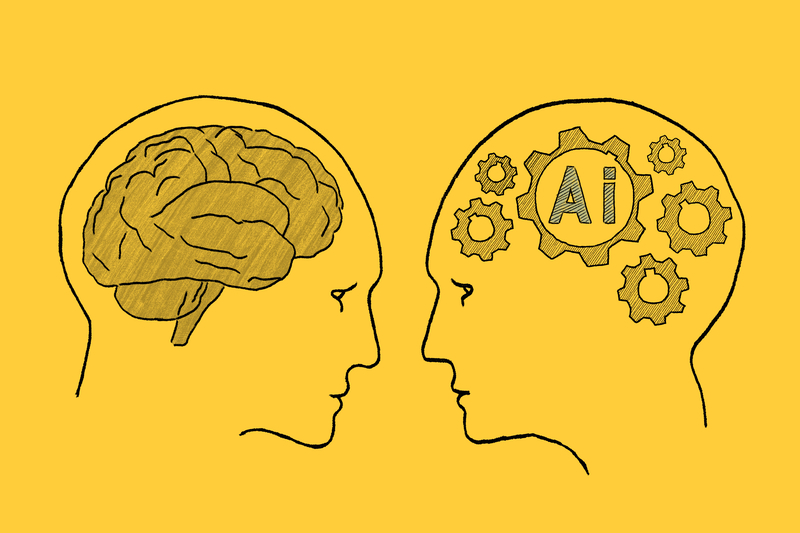
The goal should not be to avoid AI altogether but rather to combine AI efficiency with human creativity and expertise.
Why Content Authenticity Matters More Than Ever
The digital landscape has become crowded with AI-generated information. As content volume grows, quality becomes the key differentiator.
Authentic content helps businesses:
Build Customer Trust
Trust is a critical factor in online purchasing decisions. Customers are more likely to engage with businesses that demonstrate expertise and transparency.
Strengthen Brand Identity
Every business has its own voice, values, and perspective. Human editing ensures that AI-generated content aligns with the brand’s unique identity.
Improve User Engagement
Content that reflects real experiences and practical insights often generates higher engagement rates, longer reading times, and stronger customer relationships.
Support Long-Term SEO Performance
Search engines increasingly prioritize helpful, user-focused content. Businesses that publish valuable and original information are more likely to achieve sustainable visibility.
Understanding AI Detection Technology
As AI-generated content becomes more widespread, many organizations are implementing verification processes to assess content authenticity.
As organizations adopt AI-generated content at scale, many marketing teams begin asking how do ai detectors work when evaluating content authenticity and quality.
AI detection technologies typically analyze writing patterns, predictability, sentence structures, and statistical language characteristics. Their goal is not necessarily to determine authorship with absolute certainty but to provide indicators regarding the likelihood that content was generated by AI.
These tools are increasingly used in education, publishing, marketing, and corporate communications. For businesses, understanding how AI detection works can help ensure content meets client expectations and maintains credibility.
Human Creativity Remains the Competitive Advantage
AI excels at processing information and generating text quickly. Human creators excel at critical thinking, storytelling, emotional intelligence, and original insights.
The most successful businesses are not choosing one over the other. Instead, they are combining both strengths.
Human contributions remain essential for:
- Sharing personal experiences
- Understanding customer emotions
- Creating unique viewpoints
- Making strategic decisions
- Building meaningful brand narratives
When AI handles repetitive drafting tasks, business owners gain more time to focus on these high-value creative activities.
This hybrid approach often delivers better results than either fully manual or fully automated content creation.
Practical Strategies for Home-Based Businesses
Business owners can maximize the benefits of AI while maintaining authenticity by implementing a structured workflow.
Start with Human-Led Strategy
AI should support strategy, not replace it. Before generating content, define:
- Target audience
- Business goals
- Key messaging
- Brand voice
A clear strategic foundation helps ensure AI-generated content remains aligned with business objectives.
Use AI for First Drafts
AI performs exceptionally well during the early stages of content creation.
Entrepreneurs can use AI to:
- Generate outlines
- Brainstorm ideas
- Draft initial content
- Summarize research
This approach significantly reduces production time.
Add Original Expertise
After generating a draft, incorporate:
- Personal experiences
- Industry observations
- Customer case studies
- Unique recommendations
These additions transform generic content into valuable business assets.
Review for Brand Consistency
Every piece of content should reflect the company’s identity and communication style.
Editing for tone, clarity, and relevance ensures consistency across all customer touchpoints.
The Growing Importance of AI Humanization
As businesses increasingly rely on AI-assisted writing, there is growing demand for tools that improve readability and create more natural content.
To improve readability and audience engagement, many businesses are also searching for the best ai humanizer to refine AI-assisted content before publication.
The purpose of humanization is not to deceive readers but to improve communication quality. Effective humanization focuses on:
- Natural language flow
- Improved readability
- Better audience engagement
- Enhanced clarity
- Stronger brand voice
For small businesses, these improvements can make content more effective while preserving the efficiency benefits that AI provides.
How Lynote Supports Responsible AI Content Workflows
As AI adoption grows, businesses need practical solutions that support both efficiency and quality.
Lynote focuses on helping users manage AI-assisted content more effectively through tools designed to support content analysis, optimization, and workflow improvement.
Rather than viewing AI and human creativity as competing forces, Lynote reflects a broader industry trend toward responsible AI implementation. The objective is to help businesses create content that remains useful, authentic, and aligned with audience expectations.
For home-based entrepreneurs, this balanced approach can be particularly valuable. Limited resources often make efficiency essential, while strong customer relationships depend on maintaining a genuine and trustworthy brand voice.
Looking Ahead
AI will continue transforming how businesses create content. New tools and technologies will make content production faster and more accessible than ever before.
At the same time, authenticity will become increasingly important.
Customers are unlikely to reward businesses simply for producing more content. Instead, they will reward brands that provide useful information, demonstrate expertise, and communicate in a relatable way.
The businesses that succeed in the coming years will be those that combine AI technological efficiency with human creativity and insight.
Conclusion
Artificial intelligence offers tremendous opportunities for home-based businesses seeking to increase productivity and scale their marketing efforts. However, efficiency alone is not enough.
Authenticity, trust, and creativity remain essential ingredients for long-term business growth.
By using AI strategically, incorporating human expertise, and maintaining a clear brand voice, entrepreneurs can enjoy the benefits of automation without sacrificing the qualities that make their businesses unique.
As tools like Lynote continue to evolve, small businesses have an opportunity to build content workflows that leverage the best of both worlds—AI-powered efficiency and human-centered creativity.
Find a Home-Based Business to Start-Up >>> Hundreds of Business Listings.


