











































Quick Answer
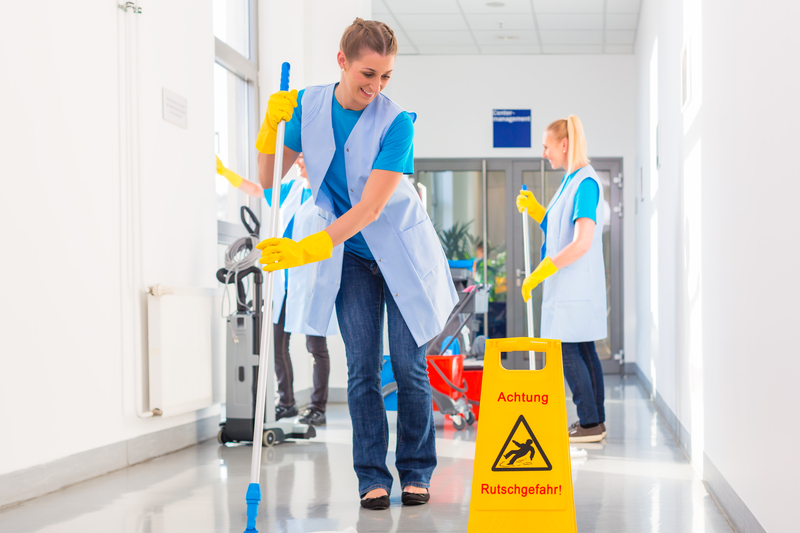
Professional commercial cleaning delivers scheduled sanitation, waste removal, and surface disinfection aligned with health codes. Teams arrive with trained staff, proper equipment, and documented protocols for business cleaning. Expect transparent checklists, consistent timing, and measurable outcomes for the office. Facilities maintain compliance while reducing operational burden through structured janitorial services that prioritize safety and efficiency. Regular audits and supply management complete the service framework for reliable facility care.
Introduction
Facility managers face constant pressure to maintain pristine environments while controlling operational costs. Inconsistent protocols lead to health code violations, employee dissatisfaction, and reduced productivity. Professional standards address these challenges through systematic approaches to business cleaning.
A provider like Time to Shine Cleaning demonstrates how structured protocols and trained personnel create measurable results. Office programs must align with regional climate factors and high traffic patterns. Janitorial services in Calgary succeed when they integrate detailed checklists, quality audits, and responsive communication.
Foundational Elements of Business Cleaning Programs
Effective business cleaning begins with clearly defined scopes that address high-traffic zones, restrooms, and shared workspaces. The reality is that facilities require customized protocols rather than generic checklists.
Core Service Components
A structured approach includes daily tasks such as waste removal, surface disinfection, and floor care, alongside periodic deep cleaning for carpets and windows. These elements form the baseline for any professional facility maintenance program. Frequency schedules should align with occupancy patterns and industry-specific regulations.
- Daily sanitation of high-touch surfaces, including door handles and light switches
- Scheduled floor maintenance using appropriate methods for each material type
- Restroom replenishment and disinfection following public health guidelines
- Waste segregation and removal aligned with local regulations
Staff Training and Accountability
Consistent results depend on personnel who understand both technique and safety standards. In practice, reputable providers invest in ongoing education covering chemical handling, equipment operation, and infection control. Documented training records and supervised onboarding create accountability that generic labour pools cannot match.
Staff should demonstrate proficiency in using personal protective equipment and following safety data sheets for all agents. Regular performance reviews and client feedback loops further refine service delivery. This commitment to professional development directly impacts client satisfaction and retention.
Equipment and Supply Standards
Professional services rely on commercial-grade tools designed for efficiency and durability. Microfiber systems, auto scrubbers, and HEPA filtration vacuums reduce cross-contamination while improving outcomes. The result is a facility that meets health codes with less disruption to daily operations.
Using colour-coded cloths for different zones prevents the spread of pathogens between restrooms and food preparation areas. Proper inventory management guarantees that supplies are always available without excessive storage demands. On the other hand, outdated equipment can increase labour time and compromise cleaning quality. Investing in modern
Implementation Framework for Office Cleaning Protocols
Executing a reliable office cleaning plan demands coordination between client expectations and provider capabilities. In practice, success hinges on three interconnected pillars that transform written scopes into measurable outcomes.
Scheduling and Access Coordination
Timing affects both quality and workplace disruption in commercial cleaning in Calgary. After-hours service minimizes interference with staff productivity while allowing thorough attention to detail. Key considerations include building access protocols, security clearance for personnel, and noise restrictions for equipment operation.
Facilities with multiple shifts may require staggered cleaning windows to maintain safety and efficiency. Clear communication about holidays, special events, or unexpected closures prevents service gaps:
- Coordinate key exchange or electronic access systems in advance
- Establish quiet hours for vacuuming and machinery use
- Document emergency contacts for both parties
- Review schedules quarterly to accommodate seasonal changes
Also, align deep cleaning tasks with low occupancy periods to maximize thoroughness without disrupting operations.
Quality Assurance Through Documentation
Consistent results require verifiable standards rather than subjective impressions. A robust framework includes digital checklists, photo verification for critical tasks, and regular supervisory inspections. The reality is that documented processes create accountability and enable continuous improvement. Client feedback should be captured through structured channels, not informal comments, to drive meaningful adjustments.
| Service Tier | Frequency | Typical Tasks | Verification Method |
| Basic | Daily | Waste removal, surface wiping | Supervisor spot check |
| Enhanced | Daily plus weekly | Floor care, restroom deep clean | Digital checklist with photos |
| Premium | Daily, weekly, monthly | Carpet extraction, window washing | Third-party audit report |
Responsive Communication Channels
Effective partnerships rely on clear escalation paths for routine requests and urgent issues. Designated points of contact on both sides streamline problem resolution and prevent miscommunication. In the local climate, seasonal factors such as salt tracking or pollen may require temporary protocol adjustments. On the other hand, rigid systems that cannot adapt to changing needs create friction and reduce satisfaction.
Sustaining Quality in Commercial Cleaning Services
Long-term facility care depends on measurable outcomes and adaptive protocols. Beyond the basics, successful programs integrate reviews driven by data with flexible service models.
Performance Tracking and Adjustment
Regular audits using standardized metrics reveal trends before issues escalate. The result is proactive maintenance rather than reactive fixes. Key indicators include supply usage rates, staff retention, and client satisfaction scores.
- Review monthly reports with your provider
- Adjust frequencies based on seasonal traffic patterns
- Document changes to the scope in writing
Future Ready Facility Standards
Adapting to new health guidelines or sustainability goals requires a partner committed to continuous improvement. In practice, this means staying informed about regional standards and emerging best practices. The reality is that consistent commercial cleaning services Calgary supports both employee well-being and brand reputation through reliable, science-grounded protocols.
Maintaining Excellence Through Professional Standards
Professional facility maintenance requires structured protocols, documented accountability, and adaptive communication channels. The result is a healthier workplace that consistently meets regulatory standards while supporting daily operational efficiency. When evaluating commercial cleaning in Calgary, prioritize providers who demonstrate measurable outcomes, transparent reporting, and commitment to continuous improvement through staff training and modern equipment.
Find a Home-Based Business to Start-Up >>> Hundreds of Business Listings.


