






































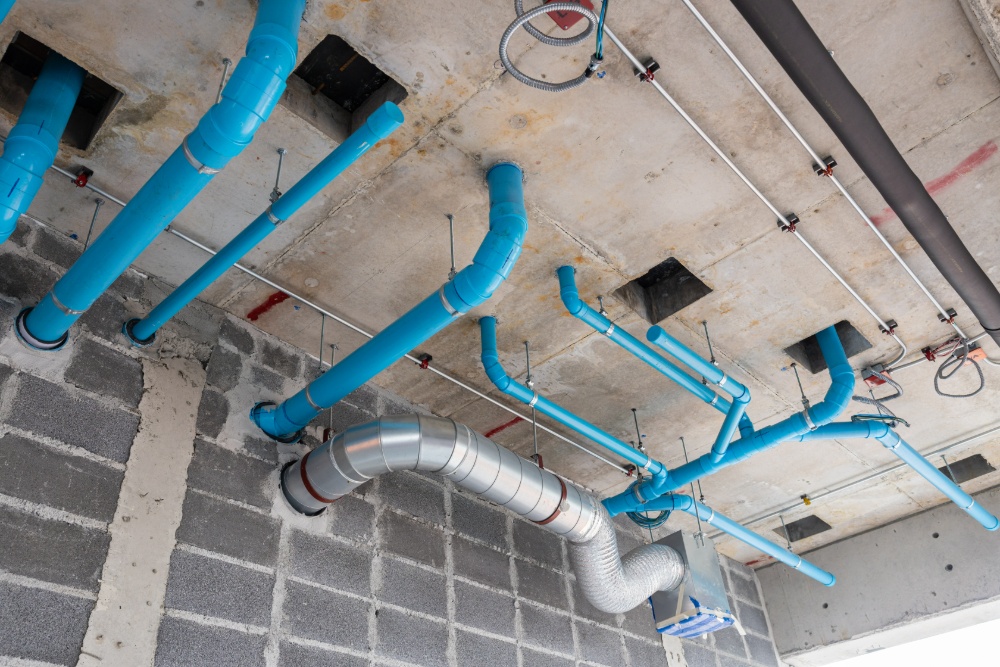
An air conditioner removes heat and moisture from indoor air. That moisture must leave through a small drainage path. A clear route prevents water from pooling around the equipment. This guide explains the line’s purpose, common clog causes, and key signs of trouble.
How the Drain Line Moves Water Away
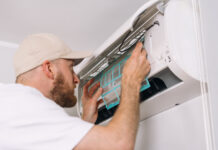
Moisture forms on the cold evaporator coil as warm air passes across it. HVAC drain line cleaning helps keep the route from the drain pan to the outlet clear. Water drops into the pan, travels through the pipe, and exits outside. A float switch may stop the system if the pan fills too high.
This setup protects walls, floors, ceilings, and nearby equipment from water. It also supports indoor comfort because the unit can remove excess humidity. Some heat pumps and high-efficiency furnaces use similar drainage parts. A standard furnace may not require this type of line.
Why Slime and Dust Cause Clogs
The drain line stays damp for long periods in warm weather. Dust, pollen, and other particles can enter the pan or pipe. Moisture supports algae, mold, and bacterial residue. This mix can become thick slime that blocks water flow.
A narrow pipe leaves little space for buildup. Poor slope, long pipe runs, or several bends may slow drainage. A dirty filter can add debris near the coil and pan. Small deposits can collect until water has no clear path out.
Signs Near the Indoor Unit
A clog may first appear as water in the pan or near the indoor unit. A musty odor can point to moisture held inside the system. The air conditioner may stop after the float switch detects a high water level. Comfort may drop if the unit shuts off before a full cycle ends.
Clues That Deserve Attention
Common signs include:
- Water stains near the air handler or ceiling
- Damp floors or a full drain pan
- A sudden shutoff in hot weather
- A musty smell when cool air starts
These clues do not confirm the cause by themselves. A cracked pan, failed pump, frozen coil, or loose joint can create similar symptoms. A technician can trace the water path and test the safety switch. Prompt review may help limit damage around the unit.
Why Clogs Can Return
A quick flush may move part of a blockage and leave residue inside the pipe. That residue can trap fresh debris. Poor slope or a sag may hold water after the system stops. Trapped moisture gives new growth a place to form.
HVAC drain line cleaning may include a full flush, vacuum removal, and checks of the pan and outlet. The technician may also inspect the float switch and visible joints. Repeat clogs can point to a pipe defect or excess debris near the coil. A full review helps identify the source of the problem.
Steps That May Reduce Clogs
A clean filter helps keep dust away from the evaporator area. Seasonal service can include checks of the pan, pipe, outlet, and safety switch.
These steps may help improve water flow.
| Maintenance step | Why it may help | Suggested timing |
| Replace or clean the air filter | Reduces dust near the coil and drain pan | Follow the filter maker’s schedule |
| Check the drain outlet | Keeps soil, leaves, and nests from blocking water | Inspect during routine yard checks |
| Review the drain pan | Helps spot standing water, cracks, or residue | Check during seasonal service |
| Test the safety switch | Confirms the system can stop if water rises | Ask for a check during HVAC service |
| Schedule a full drain review | Helps find buildup, poor slope, or loose joints | Arrange when clogs return |
Harsh chemicals can harm pipe joints, coils, or nearby materials. Use only products allowed by the equipment maker. Water near electrical parts calls for caution. A system that stops or leaks indoors deserves professional assessment.
The HVAC drain line carries away water produced by normal air conditioner use. Clogs form when a damp, narrow pipe collects dust and organic residue. Water near the unit, musty odors, and repeat shutoffs can signal a drainage fault. Routine checks and timely service may help protect the system and nearby surfaces.
Find a Home-Based Business to Start-Up >>> Hundreds of Business Listings.