







































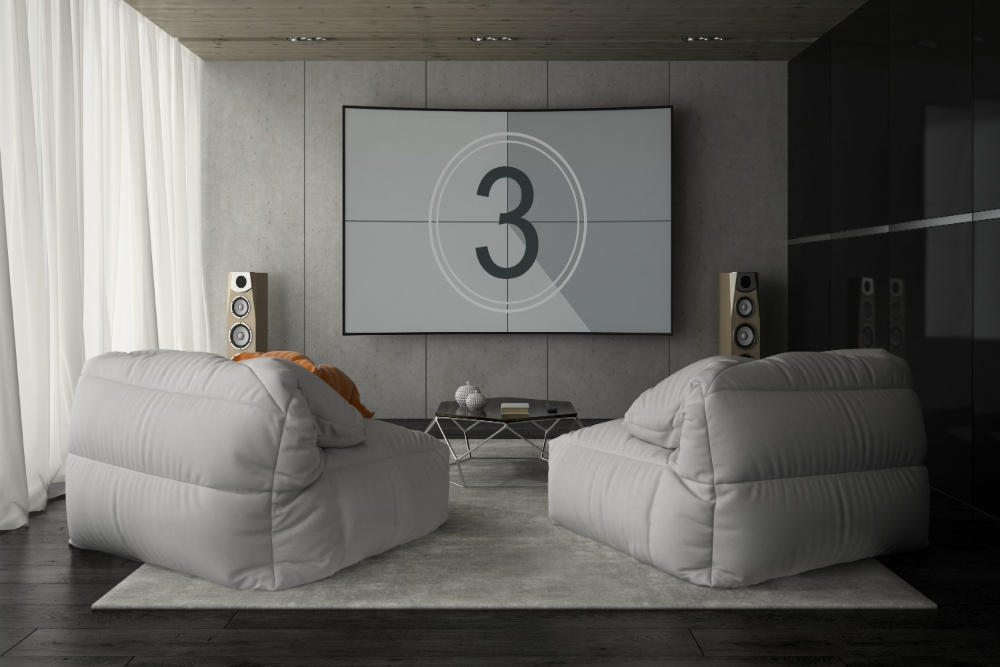
There’s a specific moment that convinces most homeowners they need a real home movie room: sitting through a big release on a living room TV, competing with kitchen noise, hallway light, and a couch that was never designed for a three-hour sit. It’s a comfortable enough setup for background TV, but it falls apart the moment you actually want to disappear into a film.
That gap is exactly why dedicated movie rooms keep growing in popularity, even as budgets and space get tighter across the board. This guide walks through what actually matters when planning one, from room selection and acoustics to seating and layout, so you can avoid the expensive mistakes that turn an exciting project into a disappointing one.
Why Are More Homeowners Building a Dedicated Movie Room Instead of Using a Living Room TV?
Homeowners are building dedicated movie rooms because shared living spaces can’t deliver a consistent, distraction-free viewing experience. A regular family room has to serve too many competing functions, natural light, foot traffic, multipurpose furniture, to ever be optimized purely for picture and sound.
A living room setup typically falls short in a few specific ways:
- Uncontrolled light. Windows and open floor plans make it hard to get a dark enough room for true picture contrast.
- Shared acoustics. Sound has to compete with kitchens, hallways, and other household activity happening at the same time.
- Multipurpose furniture. Sofas built for general lounging aren’t optimized for long, reclined viewing sessions.
- Inconsistent sightlines. Coffee tables, ottomans, and mixed seating heights rarely align with a single screen the way a planned theater layout does.
Demand for dedicated spaces has proven durable rather than trendy. According to CE Pro’s 2025 Home Entertainment Deep Dive, dedicated home theater rooms made up an average of 78.5% of theater projects tracked by integrators, holding steady even as multipurpose media rooms also grew.
That data point matters because it shows dedicated theaters aren’t being replaced by flexible spaces; they’re coexisting with them as two distinct answers to two different needs.
Where Should You Locate Your Home Movie Room?
The right location depends primarily on how much sound isolation and light control you need. Basements remain the most popular choice because they naturally offer both, but they’re not the only workable option.
Before settling on a room, weigh it against these criteria:
- Distance from bedrooms. A room next to where someone sleeps needs significantly more sound isolation work.
- Exterior wall exposure. Fewer exterior walls mean less light leakage and easier temperature control.
- Ceiling height. Tiered or riser seating needs enough vertical clearance to work comfortably.
- Existing moisture or humidity issues. This matters most for below-grade rooms and affects both equipment and furniture longevity.
Basements and Below-Grade Spaces
Below-grade rooms are surrounded by soil and structure on most sides, which cuts down on both outside noise intrusion and light leakage. This is why basements have historically been the default location for serious home theaters. The tradeoff is ceiling height and moisture control, both of which need to be addressed early in planning.
Interior Rooms Away from Bedrooms
An interior room with no exterior walls, such as a windowless bonus room, can work almost as well as a basement if it’s positioned away from bedrooms. Sound isolation is easier to achieve in a room that doesn’t share a wall with a space where someone might be sleeping. This location also avoids the humidity concerns that basements sometimes bring.
Converted Bonus Rooms
Spare bedrooms, attics, and over-garage bonus rooms are increasingly common movie room locations, especially in homes without a basement. These spaces usually need more acoustic treatment work since they often have exterior walls and windows. They’re still viable, but expect a larger portion of the budget to go toward isolation rather than equipment.
How Much Space Do You Actually Need for a Movie Room?
Most home movie rooms work well somewhere between 200 and 400 square feet, though the right size depends heavily on how many seats you want and your screen size. A cramped room undermines the sense of scale that makes a movie room feel like a real theater rather than a slightly nicer TV nook.
| Room Size | Typical Seat Count | Recommended Screen Type |
| Under 150 sq ft | 2 to 4 seats | Large-format TV or short-throw projector |
| 150 to 300 sq ft | 4 to 7 seats | Projector with 100–120″ screen |
| 300+ sq ft | 8+ seats, tiered rows | Projector with 130″+ screen |
When shopping for seats for home theater use, this table is a useful starting benchmark before you factor in your own household size and how often you’ll host guests. Most households find that four to seven seats covers regular use comfortably, with larger counts reserved for frequent entertaining.
What Should You Prioritize When Planning Movie Room Acoustics?
Acoustics should be planned before furniture and finishes, not after, because structural sound isolation is difficult and expensive to retrofit later. Two separate goals are involved here, and homeowners often confuse them.
Sound Isolation vs Sound Treatment
Sound isolation keeps noise from leaving or entering the room, while sound treatment shapes how audio behaves once it’s inside. Isolation typically involves decoupling drywall from framing and sealing gaps around doors, since even small openings let a surprising amount of sound escape.
Treatment involves absorptive panels and diffusers placed at reflection points to control echo and improve dialogue clarity.
Flooring and Ceiling Choices
Carpet or heavily padded flooring reduces high-frequency reflections and is strongly preferred over hard flooring in a dedicated movie room. Ceilings benefit from acoustic treatment as well, since a hard, flat ceiling is one of the biggest contributors to unwanted echo in a small room.
These choices should be finalized before wiring and lighting go in, since retrofitting flooring or ceiling treatment later usually means redoing other finished work.
How Do You Choose the Right Seating for a Home Movie Room?
The right seating depends on how long people typically sit, how many people you’re seating, and how much floor flexibility you want to preserve. This is one of the few decisions in a movie room that directly affects comfort every single time the room is used.
| Seating Type | Best For | Comfort for Long Sessions |
| Standard sofa | Casual, multipurpose rooms | Moderate |
| Sectional | Larger groups, flexible layouts | Moderate to good |
| Home theater recliners | Dedicated theaters, individual seating | High |
| Custom leather theater seating | Long viewing sessions, premium builds | Highest |
Purpose-built theater seating typically outperforms standard furniture because of a few specific design features:
- Reclined ergonomic support engineered for extended sitting rather than upright lounging.
- Individual seating positions that preserve sightlines in multi-row layouts.
- Durable, easy-clean materials like leather, which hold up better to snacks and long-term daily use.
- Commercial-grade frames built to handle repeated reclining without sagging over time.
How Do You Plan a Home Movie Room Step by Step?
Planning a movie room in the right order prevents the most common and expensive redo mistakes. Follow these steps before ordering any equipment or furniture.
- Select and measure the room. Confirm ceiling height, wall layout, and whether the space shares walls with bedrooms or exterior noise sources.
- Plan sound isolation first. Decide on wall decoupling, door seals, and insulation before any drywall or finishing work begins.
- Map sightlines and screen size. Use your seating distance and row count to determine the right screen size and projector throw distance.
- Choose seating based on session length. Match seating type to how the room will actually be used, casual family viewing versus dedicated long-format movie nights.
- Finalize lighting and light control. Blackout shades or light-blocking finishes should be confirmed before choosing screen brightness and projector specs.
- Schedule acoustic treatment last. Install absorptive panels and diffusers after the room’s core construction is finished, since final treatment needs an accurate read of the completed space.
What Actually Determines Whether a Movie Room Gets Used?
The single strongest factor in whether a home movie room becomes a favorite space or an expensive, underused room is comfort during long sessions, not screen size or speaker count. Homeowners consistently prioritize picture and sound specs during planning, but it’s the seating and acoustic comfort that determine whether people actually choose the room over the living room couch night after night.
Getting the fundamentals right, sound isolation before finishes, seating built for reclined comfort, and a screen sized to the actual room, matters more than chasing the newest display technology. A well-planned movie room doesn’t need to be the biggest or most expensive room in the house to become the one everyone gathers in.
Frequently Asked Questions
What Is the Best Room in the House for a Movie Room?
Basements are generally the best choice because they offer natural sound isolation and easy light control on most sides. An interior room away from bedrooms is a strong second option if a basement isn’t available.
Do I Need Soundproofing for a Home Movie Room?
Soundproofing is highly recommended if the room shares walls with bedrooms or lives near high-traffic areas of the house. Even basic measures like door seals and wall insulation make a noticeable difference in contained sound.
How Many Seats Should My Home Theater Have?
Most dedicated home theaters have between four and 10 seats, with four to six being the most common range. The right number depends on household size and how often you plan to host movie nights with guests.
Can I Turn a Spare Bedroom into a Movie Room?
Yes, a spare bedroom can work well as a movie room, especially with blackout window treatment and some acoustic paneling. It typically requires more light and sound control work than a basement since it usually has exterior walls and windows.
Is a Projector or a TV Better for a Home Movie Room?
Projectors are generally preferred for larger dedicated movie rooms since they allow for a bigger screen and more of a true cinema feel. Large-format TVs work well in smaller rooms or spaces with more ambient light, since they don’t require as much light control.
Find a Home-Based Business to Start-Up >>> Hundreds of Business Listings.