







































Modern elevator systems use specialized safety devices to protect passengers and maintain reliable operation. These built-in mechanisms help control movement, prevent unsafe conditions, and support smooth travel between floors. Proper safety equipment allows elevators to function safely in residential, commercial, and public buildings.
Modern systems include carefully engineered elevator components that help maintain passenger protection and dependable performance. Devices such as door safety equipment, overspeed controls, and emergency communication systems address specific operational risks. This article explains the important safety devices commonly used in modern elevator systems.
Door Safety Systems
Door protection devices help prevent injuries during passenger entry and exit. These mechanisms monitor door conditions and respond when obstacles appear. Proper door operation supports safe and convenient elevator use.
Infrared Door Sensors
Infrared sensors create a protective detection field across the doorway. When a person, wheelchair, or object interrupts the signal, the doors reopen automatically. This feature helps reduce accidental contact at the entrance.
Door Interlocks
Door interlocks keep the elevator from operating when landing doors remain open. The system confirms proper door closure before movement begins. This device helps prevent access to an unsafe elevator shaft opening.
Overspeed Protection Devices
Elevator systems contain dedicated equipment that controls abnormal speed conditions. These devices activate automatically when unsafe movement occurs. Speed protection helps maintain safe elevator travel.
Speed Governors
Speed governors continuously monitor elevator travel speed during operation. When excessive speed is detected, the governor activates protective functions. This device plays an important role in emergency control procedures.
Safety Brakes
Safety brakes work together with the governor during overspeed situations. The braking mechanism engages automatically to stop or secure the elevator car. This protection helps control unexpected movement inside the shaft.
Emergency Communication And Backup Features
Emergency devices provide assistance when unexpected events interrupt normal operation. These systems allow passengers to request help and maintain essential functions. Reliable communication equipment improves response during emergencies.
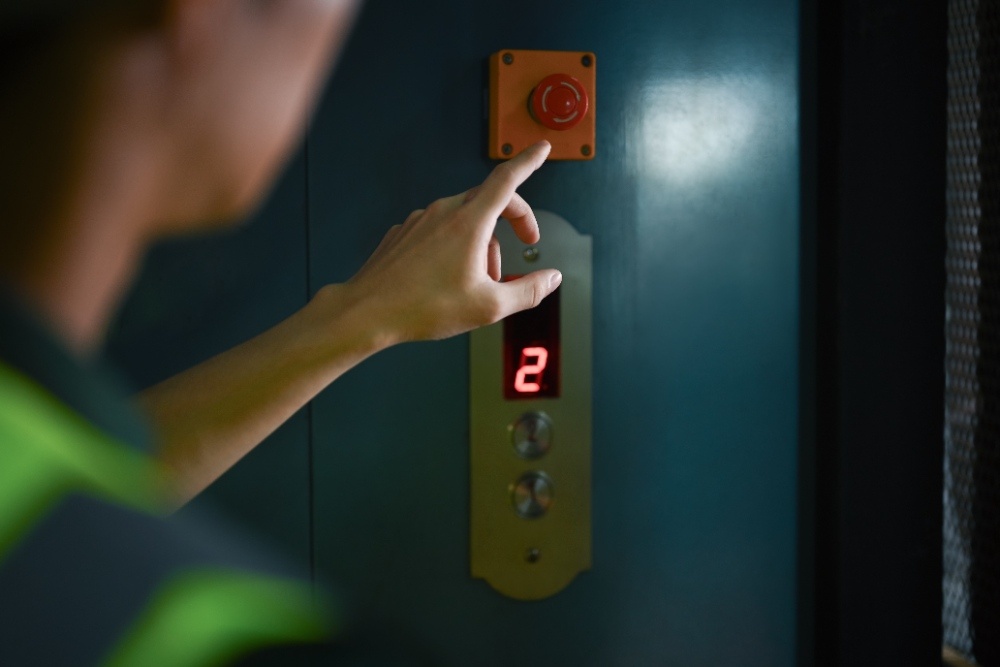
- Emergency alarm buttons allow occupants to alert building personnel.
- Communication systems provide direct contact with emergency responders or monitoring staff.
- Battery backup units support selected functions during power interruptions.
These features help maintain passenger safety during unexpected situations.
Position And Leveling Controls
Accurate floor alignment helps passengers enter and exit safely. Position control devices support precise elevator movement throughout daily operation. Proper leveling reduces gaps and uneven floor conditions.
Floor Leveling Devices
Leveling devices align the elevator car with the landing surface at each stop. Accurate positioning helps reduce trip hazards for passengers and service carts. Consistent floor alignment supports accessibility requirements.
Position Monitoring Equipment
Position monitoring equipment tracks the location of the elevator car throughout travel. These controls provide information that supports accurate stopping and coordinated movement. Reliable monitoring contributes to safe system operation.
Control And Monitoring Equipment
Modern elevators rely on electronic controls that supervise system performance. Advanced elevator components process operating signals and detect irregular conditions during travel. Continuous monitoring allows safety devices to react quickly when abnormal situations occur.
Modern elevator safety depends on several devices that work together inside the system. Each mechanism addresses specific operating conditions that may affect passenger protection. Regular inspection helps these safety devices perform according to design requirements.
Choose Qualified Elevator Component Suppliers For Safety-Critical Applications
Qualified suppliers understand the strict requirements associated with safety devices used in elevator systems. Experience with tested components and industry standards helps support long-term system reliability. Professional guidance also helps ensure compatibility between safety devices and existing equipment.
Modern elevator systems depend on multiple safety devices that work together to protect passengers and support smooth operation. Features such as door sensors, overspeed protection devices, and monitoring equipment address important operational risks. Proper component selection and regular maintenance help these systems continue performing according to design requirements.
Find a Home-Based Business to Start-Up >>> Hundreds of Business Listings.