








































A reliable commercial HVAC system is essential for maintaining a comfortable, productive, and energy-efficient environment. Whether you operate an office building, retail store, warehouse, or industrial facility, proper commercial air cooling and heating solutions directly affect employee satisfaction, customer experience, and operating costs. Understanding how commercial HVAC systems work and how to choose the right solution can help business owners make informed decisions that support long-term success.
Understanding Commercial HVAC Systems
Commercial HVAC systems are designed to regulate temperature, humidity, and air quality in larger spaces with varying occupancy levels and operational demands. Unlike residential systems, commercial units are built to handle more complex environments and higher workloads.
Common types of commercial HVAC systems include:
- Split systems that separate indoor and outdoor components
- Packaged systems that house all components in a single unit
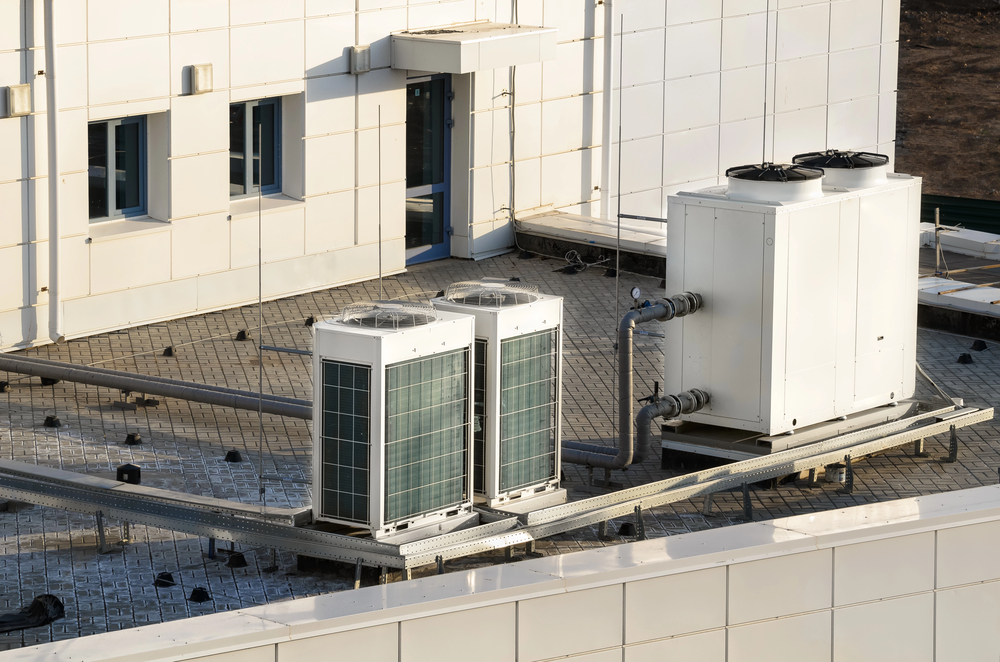
- Rooftop units that save indoor space and simplify maintenance
- Variable Refrigerant Flow (VRF) systems that provide precise temperature control in multiple zones
These systems can be customized to meet the unique needs of different commercial properties, helping businesses achieve consistent comfort and efficiency.
Benefits of Efficient Commercial Air Cooling and Heating
Investing in a modern and efficient HVAC system offers several advantages. One of the most significant benefits is improved occupant comfort. Employees and customers are more likely to enjoy their time in a building that maintains a stable and pleasant indoor climate.
Efficient systems also contribute to better indoor air quality by filtering contaminants, controlling humidity levels, and improving ventilation. This can create a healthier environment while reducing the likelihood of respiratory issues and discomfort.
Additionally, energy-efficient HVAC systems consume less power, resulting in lower utility bills. Businesses can also benefit from reduced maintenance costs and a longer equipment lifespan when systems operate at peak performance.
Choosing the Right HVAC Solution for Your Building
Selecting the right HVAC system requires careful consideration of several factors. Every commercial building has unique requirements that influence system performance and efficiency.
Important considerations include:
- Building size and floor plan
- Number of occupants and daily traffic patterns
- Industry-specific heating and cooling demands
- Budget and long-term operating costs
- Energy efficiency goals and sustainability objectives
- Existing infrastructure and available installation space
Working with experienced HVAC professionals can help ensure accurate load calculations and proper system sizing. An appropriately sized system provides optimal comfort while avoiding unnecessary energy consumption and wear on equipment.
Common Commercial HVAC Challenges and How to Address Them
Commercial buildings often face HVAC-related challenges that can affect comfort and efficiency. One common issue is uneven temperature distribution, where some areas are too hot while others remain too cold. This can often be resolved through zoning systems and improved airflow management.
Rising energy costs are another concern. Older systems typically consume more energy than modern alternatives. Upgrading equipment and implementing energy management strategies can help lower operating expenses.
Poor indoor air quality can result from inadequate ventilation, dirty filters, or neglected maintenance. Regular inspections and air quality assessments can help identify and address these issues before they become serious problems.
Frequent breakdowns and unexpected repairs are also signs that a system may require upgrades or replacement. Addressing concerns early can prevent costly disruptions to business operations.
The Importance of Regular HVAC Maintenance
Routine maintenance is one of the most effective ways to maximize the performance and lifespan of commercial HVAC systems. Preventive maintenance helps identify minor issues before they develop into expensive repairs.
Regular service typically includes filter replacement, component inspections, lubrication of moving parts, and system performance testing. Seasonal maintenance is particularly important because heating and cooling equipment experiences different demands throughout the year.
A well-maintained HVAC system operates more efficiently, consumes less energy, and provides more reliable performance. This proactive approach can significantly reduce downtime and extend the life of valuable equipment.
Working With Experienced HVAC Professionals
Choosing the right HVAC contractor is just as important as selecting the right equipment. Experienced professionals understand the complexities of commercial systems and can recommend solutions tailored to specific business needs.
When evaluating contractors, consider factors such as industry experience, certifications, reputation, and customer service. It is also beneficial to ask about maintenance programs, emergency support, and energy-efficiency expertise.
Businesses seeking reliable guidance and professional service should check out Provincial Heating & Cooling, a trusted HVAC company in Winnipeg. Working with knowledgeable HVAC specialists can help ensure successful installations, timely repairs, and long-term system performance.
Professional Air Conditioning Installation for Long-Term Performance
Proper installation plays a critical role in the efficiency and reliability of commercial air conditioning systems. Even high-quality equipment can underperform if it is installed incorrectly.
Professional installers follow industry best practices to ensure proper airflow, refrigerant levels, electrical connections, and system calibration. This attention to detail helps prevent common issues such as reduced efficiency, excessive wear, and premature equipment failure.
For businesses looking to upgrade their cooling systems, it is important to contact Hamilton Home Comfort for AC installers in Hamilton. Experienced installation teams can help ensure that new systems operate as intended while maximizing comfort and energy savings.
Energy-Efficient Upgrades for Commercial Buildings
Many commercial property owners are investing in energy-efficient upgrades to reduce costs and improve sustainability. Smart thermostats and building automation systems allow for greater control over indoor temperatures and equipment performance.
High-efficiency HVAC units can significantly reduce energy consumption compared to older models. Zoning systems also improve efficiency by directing heating and cooling only where it is needed.
Energy monitoring technology provides valuable insights into system performance, helping facility managers identify opportunities for additional savings and optimization.
Planning for the Future of Commercial HVAC
Commercial HVAC technology continues to evolve, offering new opportunities for efficiency, sustainability, and performance. Businesses that invest in modern systems today are better positioned to meet future energy standards and environmental expectations.
By understanding available air cooling and heating solutions, prioritizing regular maintenance, and partnering with qualified professionals, commercial property owners can create comfortable environments while reducing long-term operating costs. A strategic approach to HVAC management ensures reliable performance and lasting value for years to come.
Find a Home-Based Business to Start-Up >>> Hundreds of Business Listings.