









































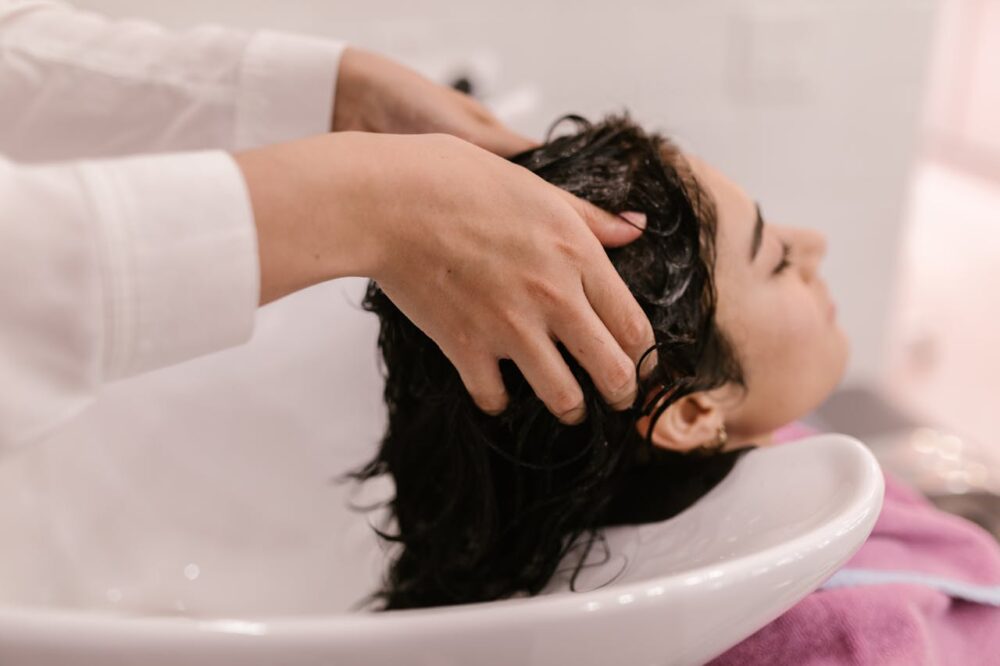
Most people dealing with hair loss try three or four different shampoos before they even think about asking why it’s happening. That’s not a criticism — it’s just how most of us are wired. We see a problem and we reach for the nearest fix. But hair loss, thinning, or even a dry, flaky scalp rarely has one simple cause. And a treatment that works brilliantly for someone else might do nothing for you — or make things worse.
That’s where hair quizzes have started to help how people approach treatment.
Why One-Size-Fits-All Doesn’t Work for Hair
Hair health is surprisingly personal. Two people can have the same visible symptom — say, hair falling out in the shower — and the reasons behind it can be completely different. One person might have low ferritin levels from a poor diet. Another might be dealing with elevated DHT sensitivity, which is largely genetic. A third might be going through post-pregnancy hormonal shifts.
When the root causes are this different, the treatment path has to be different too. Giving everyone the same minoxidil or the same biotin supplement is like giving everyone the same glasses prescription. It helps some people and does nothing for others.
What a Hair Quiz Actually Does
A well-designed hair quiz isn’t a personality test with a product recommendation at the end. It’s a structured way to gather information that’s medically relevant to your hair condition.
Good quizzes typically ask about:
- When the hair loss started and how suddenly it appeared
- Your stress levels, sleep quality, and daily diet
- Any recent illnesses, weight changes, or hormonal events
- Your family history of hair loss
- Scalp condition — oiliness, dryness, dandruff, or itching
- Any medications or supplements you’re currently taking
Each of these data points matters. Sudden onset hair loss often points to a trigger event like illness or nutritional deficiency. Gradual thinning over years usually suggests androgenetic causes. Scalp symptoms can indicate conditions like seborrheic dermatitis that need to be treated before hair growth can even begin.
The Gap Between Symptoms and Root Causes
Here’s something worth understanding: your visible symptom is often the last stage of a longer internal process. Hair follicles don’t stop working overnight. By the time you’re noticing real thinning or significant shedding, the underlying cause has usually been active for months — sometimes longer.
This is why people who only treat the surface — applying oils, trying anti-hair fall shampoos — often don’t see lasting results. They’re addressing the output, not the input. A quiz helps shift that thinking by asking questions that go beneath the scalp, into lifestyle, health history, and biology.
That said, a quiz is a starting point, not a diagnosis. It narrows down the likely causes and points treatment in the right direction. For anything serious or long-standing, a dermatologist or trichologist should still be part of the picture.
How Personalization Changes Treatment Outcomes
When treatment is aligned with the actual cause, outcomes improve significantly. Someone with stress-related hair loss (telogen effluvium) needs support for the nervous system and nutrition — not a DHT blocker. Someone with scalp inflammation needs antifungal or anti-inflammatory care first. Someone with hormonal imbalance might need internal support before any topical treatment makes a meaningful difference.
Some platforms that focus on root-cause care, like Traya hair quiz, use quiz responses to map out the specific combination of factors contributing to someone’s hair loss — and build a plan around that profile rather than a generic protocol.
This kind of layered thinking — combining what’s happening on the scalp with what’s happening inside the body — is what separates thoughtful hair care from trial-and-error.
What to Look for in a Reliable Hair Quiz
Not every hair quiz is equally useful. Some are thinly disguised product funnels. Here’s what separates a genuinely helpful one from a marketing exercise:
- It asks about internal health, not just hair texture or type
- It doesn’t push you toward one product regardless of your answers
- The recommendations it gives explain the reasoning, not just the solution
- It acknowledges complexity rather than offering instant fixes
Final Thoughts
Hair loss is rarely simple, and it’s almost never just cosmetic. It’s often a signal — from your body, your hormones, your gut, or your stress levels — that something needs attention. Hair quizzes, when done properly, show how hair quizzes help treatments by helping you read that signal more clearly. They won’t replace professional care, but they can stop you from wasting months on treatments that were never right for your situation in the first place. Understanding the cause is always the better starting point.
Find a Home-Based Business to Start-Up >>> Hundreds of Business Listings.