

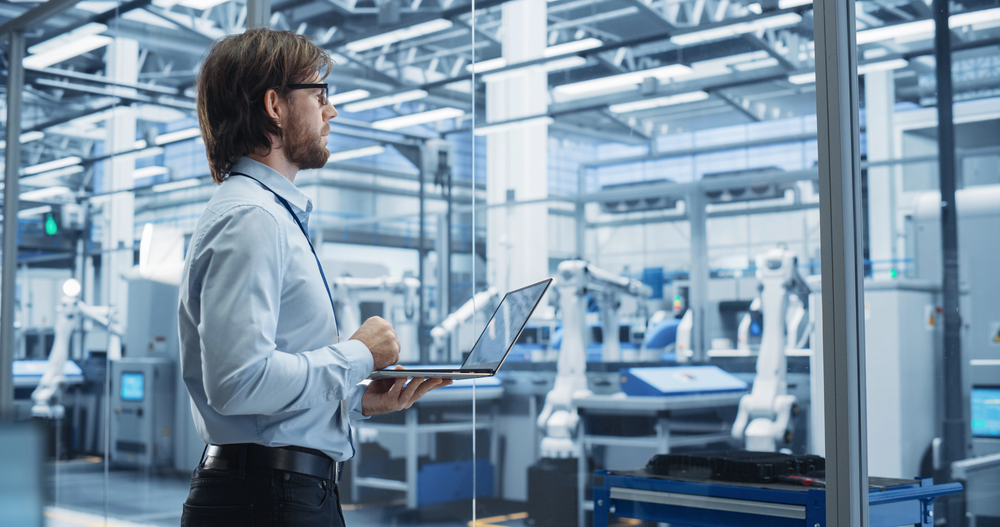







































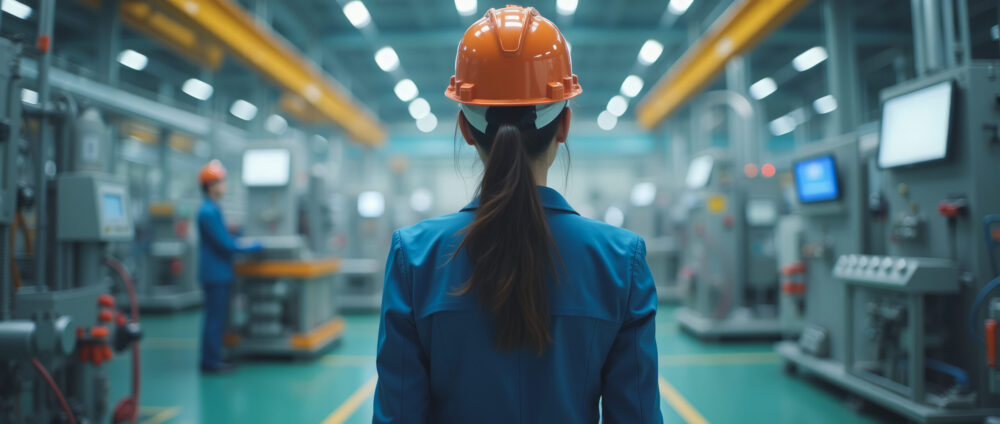
Every factory or workshop is busy, filled with machines, tools, and people working together. However, this environment needs strong safety measures to protect workers and keep operations running smoothly.
Manufacturing companies play a big role in keeping their workers safe. They must ensure equipment is well maintained and encourage open communication about potential hazards. Building a strong safety culture is essential for running a successful business.
Let’s look at how to implement effective safety practices in your manufacturing setting.
Employee Training
Training is key to safety. Regular sessions are crucial and should cover important safety methods, emergency procedures, and how to use personal protective equipment (PPE). By investing time in training, companies help staff handle risks confidently.
Hands-on training makes a big difference. Practical demonstrations help employees become familiar with safety equipment and procedures in a safe setting. When real situations arise, they will be ready to act quickly. Ongoing training updates keep everyone informed on the latest safety standards and technologies.
Welding Machines
Welding machines are essential in manufacturing. They help connect metal parts and create unique designs. When used safely, these machines improve efficiency and allow workers to express their creativity.
Working together on welding tasks builds strong team relationships. Workers learn from one another, sharing tips and best practices. This teamwork creates a supportive environment where people feel confident in their skills. Proper training in safe machine use makes welding a valuable part of the production process, reflecting the team’s pride and craftsmanship.
Workplace Organization
An organized workspace is crucial for safety. Keeping work areas clean reduces the chance of accidents, keeps paths clear, and lowers distractions. Tools and materials should have specific storage places, making it easy for employees to find what they need without wasting time.
When workers can find equipment easily, they spend less time searching and more time on their tasks. Visual systems, like colour-coded tool labels or clear signs for hazardous areas, reinforce safety best practices for manufacturing companies. A well-structured workspace not only increases efficiency but also encourages employees to take pride in their environment.
Emergency Preparedness
Preparing for unexpected events is crucial in any manufacturing environment. Having a clear emergency plan helps employees know what to do during incidents like fires or equipment failures. Regular drills allow employees to practice these steps and become familiar with emergency exits, first aid stations, and meeting points.
Involving employees in safety committees raises awareness. They can share insights into potential hazards and work together to improve safety strategies. A proactive approach to emergency preparedness builds employee confidence and reinforces that safety is a shared responsibility.
Welding Supplies
Using quality welding supplies is key to ensuring safety and effectiveness in manufacturing. From helmets that protect against sparks to gloves that shield hands from heat, having the right gear is essential. Companies should invest in high-quality supplies that meet safety standards.
Keeping an inventory of necessary items, like welding rods and electrodes, helps teams work efficiently without delays. Regularly checking and replacing worn equipment contributes to a safer work environment. By focusing on the quality of welding tools and materials, companies promote a culture of safety and excellence.
Communication Channels
Clear communication throughout the organization significantly improves safety best practices for manufacturing companies. Employees should feel safe reporting hazards, near-misses, or worries without fear. Open discussions help identify potential problems before they become serious.
Holding regular safety meetings allows employees to share experiences and ideas. These meetings create space to address concerns and find solutions together. A team-oriented approach to safety ensures everyone feels responsible for their own safety and that of their coworkers.
Regular Safety Audits
Regular safety audits are essential for keeping a safe manufacturing environment. These audits help identify potential hazards, check compliance with regulations, and evaluate the effectiveness of current safety measures. By reviewing operations systematically, companies can identify areas for improvement and ensure they meet industry standards.
Involving employees in safety audits lets them share insights, making the process more thorough. Creating an inspection checklist ensures no important areas are missed, from equipment maintenance to using personal protective equipment. Share the findings with the entire team to promote a culture of continuous improvement and accountability.
Mental Health Awareness
Mental health is also important for a safe and productive workplace. Manufacturing jobs can be high-pressure, which may lead to stress and burnout. Companies should raise mental health awareness by providing resources and support for their teams.
Establishing wellness programs can help employees manage stress and maintain a healthy work-life balance. Training supervisors to recognize signs of mental distress and encouraging them to check in with their teams can help create a more supportive environment. When employees feel valued and supported, their overall well-being improves, leading to higher productivity and a stronger safety culture.
Find a Home-Based Business to Start-Up >>> Hundreds of Business Listings.