









































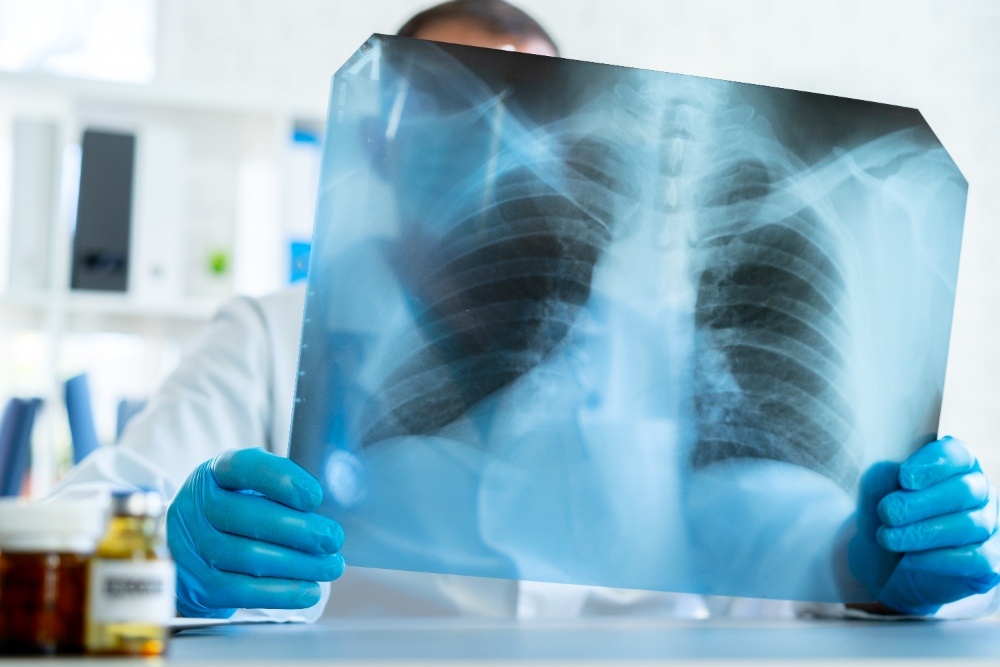
Lung cancer associated with asbestos exposure may appear decades after contact with airborne fibers. Symptoms often resemble those of smoking-related disease, infection, or chronic respiratory illness, which can delay recognition. A detailed work and household history gives clinicians important context during evaluation. Timely medical review helps identify concerning changes, arrange appropriate testing, and discuss treatment options. Families also need clear information about warning signs, exposure sources, records, and practical support during care.
How Asbestos Affects the Lungs
Inhaled asbestos fibers can settle deep in lung tissue, triggering inflammation and repeated cellular injury. Risk rises with prolonged contact during construction, insulation work, ship repair, manufacturing, or renovation. Readers seeking a broader medical explanation may review this in-depth guide on asbestos-related lung cancer, which covers exposure, symptoms, testing, and treatment. That information can help families prepare focused questions after a possible workplace or household encounter.
Common Symptoms
Early disease may cause no noticeable change in breathing. As a tumor grows, symptoms can include a persistent cough, chest pain, breathlessness, wheezing, fatigue, hoarseness, or unexplained weight loss. Blood in sputum needs prompt assessment. Similar complaints occur with several noncancerous conditions, so symptoms cannot establish a diagnosis. Discuss any persistent or worsening respiratory changes with a qualified clinician.
Jobs With Higher Risk
Asbestos was widely used in insulation, roofing, cement, machinery, fireproofing, and other industrial products. Construction workers, shipyard employees, mechanics, firefighters, miners, power plant personnel, and factory laborers may have faced substantial contact. Older buildings and equipment can still contain hazardous materials. A complete employment history remains useful, even if exposure occurred many years ago or involved multiple worksites.
Household Exposure
Loose fibers can travel home on clothing, footwear, tools, or hair. Relatives may inhale particles while handling contaminated laundry or cleaning living areas. This form of contact is known as secondary exposure. The danger depends on concentration, frequency, and duration. Suspected materials should remain undisturbed. Trained professionals should inspect, remove, and repair it using appropriate protective procedures.
Cancer Development
Lung cancer linked to Asbestos exposure generally results from several interacting factors. Fibers can damage cells and maintain inflammation over long periods. Tobacco use adds substantial danger, with combined exposure producing a much higher risk than either factor alone. Age, inherited traits, workplace conditions, and other inhaled substances may influence development. Medical records should include smoking history, job duties, locations, and possible contact dates.
Medical Evaluation
Assessment usually begins with a physical examination, symptom review, and occupational history. Chest radiography or computed tomography may reveal a mass, scarring, or other abnormality. A tissue biopsy is often required to confirm malignant cells and identify the cancer type. Pulmonary function testing measures breathing capacity before surgery or other treatment. Results from these evaluations guide the next clinical decisions.
Treatment Choices
Care depends on tumor position, disease stage, overall health, lung function, and other medical conditions. Treatment can include surgery, radiation, chemotherapy, targeted medicines, immunotherapy, or combined methods. A clinical trial may provide another option for eligible patients. Plans can change after imaging or pathology results arrive. Patients should ask about expected benefits, side effects, treatment timing, costs, and available support.
Why Staging Matters
Staging indicates whether a tumor remains near its origin or has reached lymph nodes and distant organs. Physicians use scans, biopsy findings, blood work, and related tests to assess spread. Earlier disease may allow surgery or focused radiation, while advanced cases often require systemic medicines. Prognosis varies considerably. The treating team can explain how stage, tumor biology, and general health affect outlook.
Practical Questions
Prepared questions can make medical visits more productive. Patients may ask which findings suggest asbestos involvement, which tests are still needed, and whether a second specialist should review the case. Families can record symptoms, medications, job sites, product names, and dates of possible contact. Previous scans and pathology reports may prevent duplicated testing. Written notes also help relatives participate in care discussions.
Legal And Financial Issues
Cancer treatment can create expenses involving hospital visits, transportation, caregiving, medication, and lost income. People with documented asbestos contact may discuss workers’ compensation, veterans’ benefits, insurance coverage, or civil claims with qualified advisers. Requirements differ by state, and filing deadlines may apply. Legal guidance does not replace medical advice. Employment records, diagnosis reports, invoices, and exposure details can support a careful review.
Conclusion
Lung cancer linked to asbestos exposure often follows a long interval between inhalation and diagnosis. That delay makes employment records, family observations, and earlier medical reports valuable during evaluation. Persistent cough, chest discomfort, breathlessness, or unexplained weight loss warrants professional attention. Patients can ask about imaging, biopsy, staging, treatment, clinical trials, and financial resources. Clear communication helps families make informed decisions while clinicians address immediate needs and continuing care.
Find a Home-Based Business to Start-Up >>> Hundreds of Business Listings.