







































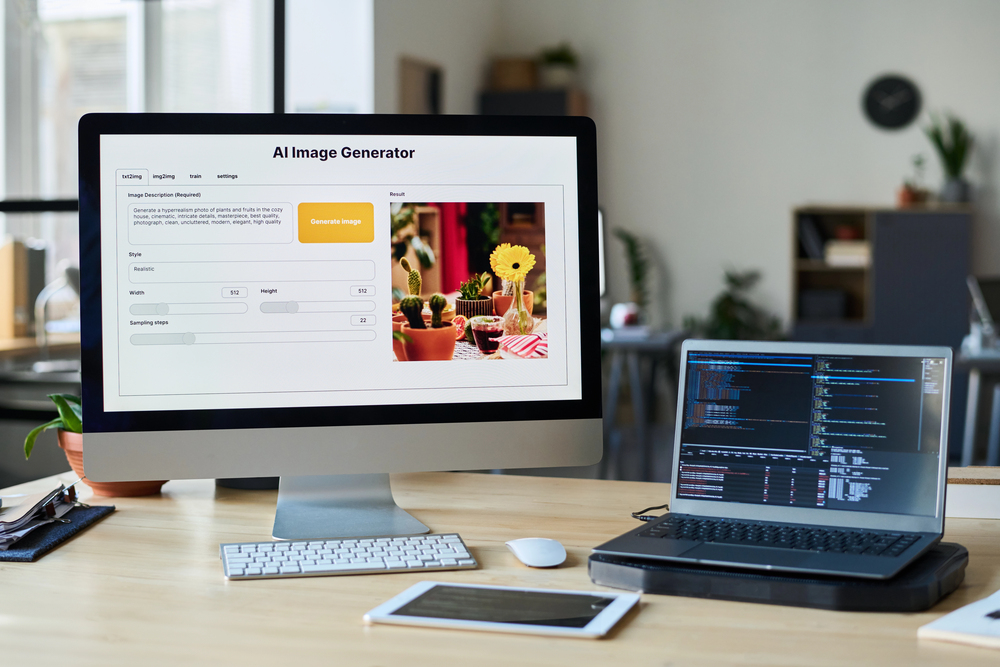
The Seedream 5.0 Pro AI image generator is a good snapshot of where AI-assisted creative tools are headed right now — and how much they’re changing the way visual content gets planned and produced. Organizations, marketers, designers, and independent creators are all after the same thing: faster ways to develop digital assets without cutting corners. And this latest generation of AI imaging tech is leaning harder into quality, workflow efficiency, and genuine collaboration than earlier versions did. Worth being clear about what this actually is, though — it’s not a replacement for creative decision-making. It’s more accurate to say the Seedream 5.0 Pro AI image generator represents a shift toward pairing human creativity with smarter automation, not swapping one for the other.
AI Content Creation Keeps Moving Forward
AI has become a fixture of digital content production at this point, and it didn’t stay simple for long. What started as basic image generation has grown into full creative workflows covering image editing, animation, video generation, and visual enhancement. That expansion has let individuals and businesses cut down on repetitive production work while still keeping a firm hand on the final output.
Across the industry, models are getting noticeably better at understanding detailed prompts, holding onto a consistent visual style, and producing assets that are actually ready for professional use — not just rough drafts that need heavy cleanup. As that maturity continues, creators are spending less time wrestling with the technical side and more time on the parts that actually matter: refining concepts, telling a good story, and connecting with an audience.
Product Upgrades Track What Creators Actually Need
Modern creative teams rarely want a tool that does just one thing well. They need something that supports multiple stages of production at once. That’s reflected in what recent upgrades tend to focus on — sharper image quality, faster rendering, better prompt interpretation, and stronger consistency across a batch of generated assets.
The Seedream 5.0 Pro AI image generator fits that pattern, with workflow improvements clearly built around what creators are actually expecting these days for content. AI isn’t really thought of as a standalone image tool anymore — most users now want something that plugs into a bigger multimedia project, not a one-off generator sitting off to the side.
That’s part of a wider shift happening across the creative tech space, where efficiency and flexibility have become just as important as raw output quality.
Better AI Video Generation Means Content Works Across More Formats
One of the more noticeable shifts in recent AI creative platforms is how tightly image generation and video production have started working together. A solid image often becomes the actual foundation for an animated sequence, a promo clip, a presentation, or a quick social video.
Stronger AI video generation capabilities make it a lot easier to turn a static visual concept into something dynamic, without needing serious editing chops to pull it off. Better motion consistency, cleaner scene transitions, and tighter visual continuity all help streamline a process that used to require juggling several different pieces of software.
That integrated approach really pays off for teams producing content across multiple channels. Instead of rebuilding assets from scratch for every platform, creators can adapt the same visual material into different formats while keeping the style consistent across a whole campaign.
Real Value for Working Creative Professionals
Creative professionals are usually racing a deadline while the volume of content they’re expected to produce keeps climbing. Marketing departments, freelance designers, agencies, educators, and media publishers all regularly need large volumes of visual assets tailored for different audiences.
AI-assisted tools help here in a pretty concrete way — cutting down repetitive editing, speeding up concept development, and making it easier to test out different visual directions before committing. Instead of burning hours on early drafts, creators can generate a handful of concepts quickly and then spend their actual time refining whichever direction makes the most sense.
That frees up more room for the things that don’t automate well — strategic planning, brand consistency, audience research, and storytelling — which remain the parts of creative work that genuinely require a human behind them.
Workflow Efficiency Across a Whole Team
Content production usually means coordinating writers, designers, video editors, marketers, and project managers all at once. Efficient workflows come down to keeping delays between creative stages to a minimum, while still keeping everyone actually in sync.
Modern AI systems help by shortening production cycles and letting visual assets move more smoothly from concept to publication. When visual drafts come together faster, stakeholders get to weigh in earlier — which cuts down on the back-and-forth revisions that tend to pile up later in a project.
For remote teams especially, that translates into quicker feedback loops, simpler iteration, and better coordination across departments that might otherwise be working out of sync.
Practical Use in Marketing Campaigns
Marketing campaigns constantly need visual assets — ads, websites, email newsletters, presentations, promotional materials, the list goes on. Producing all of that traditionally eats up a lot of design time, especially once a campaign has to speak to several different audience segments.
AI-generated visuals help during brainstorming and early campaign planning by letting teams put together several concepts to test before committing real resources to final production. That kind of iterative approach supports better, more data-driven decisions and keeps campaigns flexible enough to adjust as market conditions shift.
Given how much marketing now depends on visual communication, efficient content production has become something organizations of nearly every size have to think about.
Keeping Up With Social Media Demands
Social platforms run on frequent posting and a steady supply of visuals that actually engage people. Keeping that flow consistent — without burning out a small team — is a real ongoing challenge for individuals and businesses alike.
AI-assisted image generation helps by letting creators put together illustrations, promotional graphics, themed visuals, and campaign concepts more efficiently. Paired with better AI video generation, that same content can be adapted into short-form formats suited to different platforms, without needing a completely separate production process for each one.
That flexibility is what lets creators keep up an active publishing schedule while still holding onto a visual identity people actually recognize.
Where This Fits Into Visual Storytelling
Visual storytelling still carries a lot of weight across education, journalism, entertainment, business communication, and digital publishing generally. Images tend to get an idea across faster than text alone — they help audiences make sense of complicated information through a narrative that’s actually engaging to look at.
The Seedream 5.0 Pro AI image generator is a good example of how evolving AI can support that — helping creators produce illustrations that complement written content, presentations, educational material, and multimedia projects more broadly. It’s not replacing creative storytelling so much as acting as a production assistant, one that helps turn a concept into a finished visual format faster than doing it entirely by hand.
As this technology keeps developing, AI image generation and AI video production are likely to get even more tightly connected within unified content workflows. For creators trying to balance quality, speed, and consistency all at once, these ongoing improvements are just another step in a much longer evolution of digital visual production — not a finish line, but a continuing shift in how the work actually gets done.
Find a Home-Based Business to Start-Up >>> Hundreds of Business Listings.