









































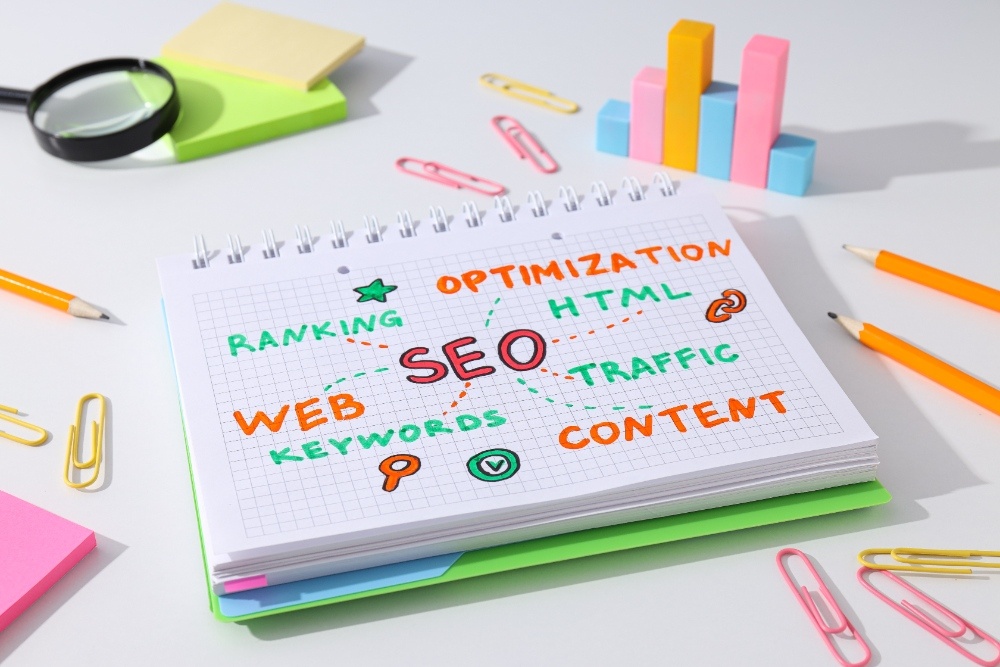
Traditional SEO alone no longer guarantees that your content will appear in AI-generated answers. Search engines increasingly combine ranking systems with large language models that summarize information instead of simply displaying links. This shift requires content that is accurate, well-structured, and easy for AI systems to interpret.
Businesses adapting to generative engine optimization focus on creating content that AI systems can understand, retrieve, and confidently reference. This guide explains the core principles behind the generative engine optimization approach and provides practical steps to improve visibility across both traditional search engines and AI-powered search experiences.
Start With User Intent and Topic Planning
An effective optimization strategy begins before you write a single sentence. Instead of selecting keywords first, define the user’s goal and map the information needed to answer it completely. AI systems favor content that solves a problem instead of simply mentioning related terms.
Define the Search Intent
- Identify the primary goal – Determine whether users want to learn, compare, solve a problem, or make a purchase.
- Recognize the audience – Adjust explanations for beginners, professionals, or decision-makers so the content matches their knowledge level.
Build a Topic Map
- List related concepts – Include definitions, supporting ideas, common questions, and practical examples that naturally belong to the topic.
- Remove content gaps – Compare your outline with competing resources to identify unanswered questions before writing.
Build Content Around Entities Instead of Keywords
Modern AI systems understand relationships between entities such as products, organizations, technologies, industries, and concepts. Rather than repeating the same keyword, connect related topics naturally throughout the article. For example, an article about cloud security should also discuss identity management, encryption, compliance, threat detection, and data protection because these concepts strengthen semantic relevance. Rich entity relationships help retrieval systems understand the complete context of a page.
Create Content That AI Systems Can Retrieve Easily
Strong content is easier to retrieve when its structure clearly communicates important information. AI systems identify patterns that make reliable answers easier to extract.
Organize Information Clearly
- Use descriptive headings – Each section should answer one user concern or explain one concept.
- Keep ideas focused – Short paragraphs with one primary message improve readability and retrieval.
Strengthen Retrieval Signals
- Support factual accuracy – Verify information with reliable sources and update pages when information changes.
- Reinforce topical authority – Connect related articles through internal links so search systems understand subject expertise.
Improve Trust Through Completeness and Practical Value
Comprehensive content generally performs better than articles that answer only part of a question. Explain terminology, include practical examples, discuss limitations, and address common misconceptions. For instance, if explaining AI search optimization, clarify that ranking well does not guarantee inclusion in AI summaries because retrieval systems also evaluate authority, factual consistency, and content quality. These additional details help users make informed decisions while increasing content credibility.
Review, Update, and Measure Performance Regularly
Publishing is only the beginning of the optimization process. Search behavior, AI retrieval methods, and user expectations continue to evolve, making regular content reviews essential.
Evaluate Content Performance
- Monitor user engagement – Review search queries, click behavior, and page interactions to identify improvement opportunities.
- Refresh outdated information – Update statistics, examples, and explanations whenever industry changes affect the topic.
Expand Topical Authority
- Publish supporting articles – Cover closely related topics that strengthen your expertise within the subject area.
- Refine internal linking – Connect relevant pages so both readers and AI systems can follow the relationships between concepts.
Businesses seeking stronger visibility across AI-powered search experiences frequently combine technical optimization, semantic content planning, retrieval-focused improvements, and ongoing performance analysis as part of their long-term content strategy. These efforts help create resources that remain useful as search technology continues to evolve.
This guide to generative engine optimization explains that success depends on much more than keywords. It combines search intent, entity relationships, structured content, factual accuracy, retrieval signals, and continuous improvement to help AI systems understand and reference your pages. Following a structured workflow creates content that answers questions more completely and adapts to changing search behavior. Organizations that consistently refine these areas are better positioned to earn visibility across both traditional search engines and AI-generated search experiences.
Find a Home-Based Business to Start-Up >>> Hundreds of Business Listings.