









































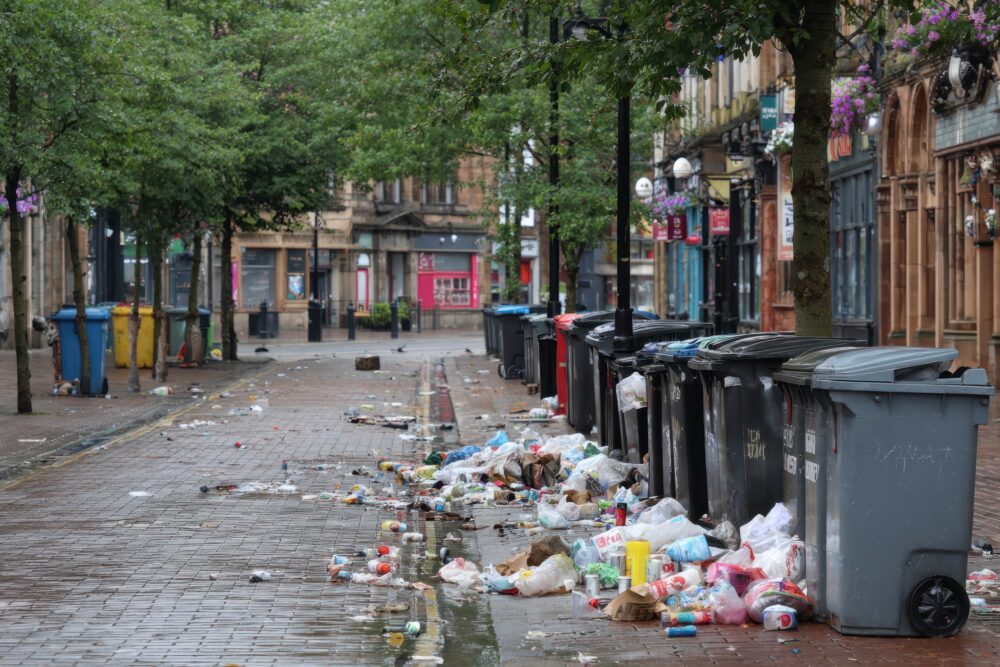
Hazardous waste facilities in the UK handle more than 100,000 tonnes of hazardous waste each year for recovery or final disposal. If this waste is not handled correctly, it can contaminate soil and water, damage wildlife habitats, and pose risks to public health.
That’s why the UK has strict waste disposal regulations to control how different types of waste are stored, transported, treated, and disposed of.
Keep reading to learn the main UK waste disposal regulations, who they apply to, and the legal responsibilities you should know before arranging or managing waste.
What Are UK Waste Disposal Regulations?
UK waste disposal regulations are a set of laws that explain how waste should be stored, transported, treated, recycled, and disposed of safely. They help reduce pollution, protect public health, and encourage businesses and households to manage waste responsibly.
Two of the main regulations include:
- Environmental Protection Act 1990 – This Act introduced the Duty of Care, making businesses and anyone handling waste legally responsible for storing, transporting, and disposing of it safely. It also requires waste to be transferred only to authorised waste carriers and disposal facilities.
- Waste (England and Wales) Regulations 2011 – These regulations introduced the waste hierarchy, which prioritises preventing waste before considering reuse, recycling, recovery, and disposal. They also require businesses to separate recyclable materials where practical and take reasonable steps to improve resource efficiency.
5 Key Waste Disposal Rules You Should Know
The exact requirements depend on the type of waste you handle, but there are a few rules that apply to most businesses and waste producers.
Here are 5 of the most important rules:
1) Separate Waste Correctly
Different types of waste should be separated before collection or disposal. Mixing recyclable materials with general waste can make recycling more difficult, while hazardous waste must be kept separate to reduce health and environmental risks.
Common waste categories include general waste, paper and cardboard, plastics, metals, glass, wood, electrical equipment, and hazardous waste.
2) Store Waste Safely
Waste should be stored in suitable containers that prevent leaks, spills, or waste from blowing away. Containers should be clearly labelled where necessary and kept in a secure area until collection.
Businesses handling hazardous waste may also need storage that meets additional safety and environmental requirements.
3) Use Registered Waste Carriers
If you’re paying someone to remove waste, check that they are registered with the Environment Agency or the relevant environmental regulator.
Registered waste carriers are authorised to transport waste legally, helping reduce the risk of fly-tipping and illegal disposal.
You can verify a carrier’s registration through the Environment Agency’s public register.
4) Keep the Required Waste Records
Businesses must keep records showing what waste was removed, when it was collected, and who collected it.
For most non-hazardous waste, this is recorded on a Waste Transfer Note, which should normally be kept for at least two years.
Hazardous waste movements require a Hazardous Waste Consignment Note, and these records are generally kept for at least three years.
5) Classify Waste Using the Correct EWC Code
Before waste is collected or disposed of, it should be classified using the correct European Waste Catalogue (EWC) code. Each six-digit code identifies a specific type of waste and helps determine how it should be handled, transported, recycled, or disposed of.
What Happens If You Break UK Waste Disposal Regulations?
The outcome depends on the type of offence, whether it was intentional, and the risk it created to people or the environment.
| Type of Breach | Possible Penalties |
| Fly-tipping | Fixed penalty notices or unlimited fines. Serious offences may result in imprisonment. |
| Using an Unregistered Waste Carrier | Fines, enforcement action, and liability for improper waste disposal. |
| Failing Duty of Care | Fines, prosecution, and enforcement notices. |
| Illegal Hazardous Waste Disposal | Unlimited fines, imprisonment, and environmental clean-up costs. |
| Poor Waste Storage or Handling | Enforcement notices, fines, or prosecution where pollution or health risks occur. |
| Failure to Keep Waste Records | Fines and enforcement action for non-compliance with record-keeping requirements. |
Following Waste Disposal Regulations in the UK
UK waste disposal laws set out clear responsibilities for anyone handling waste. Households, businesses, construction companies, and waste carriers all have different legal duties, but the basic principles are the same. Store waste safely, separate different waste types, use registered waste carriers, and keep the required paperwork.
If you’re dealing with commercial or construction waste, you should classify it correctly before arranging collection or disposal. Following these requirements can help reduce the risk of pollution, support recycling and recovery, and avoid unnecessary fines, enforcement action, or delays in waste collection.
Find a Home-Based Business to Start-Up >>> Hundreds of Business Listings.