






































Pick the wrong exterior and you feel it for years. Not always immediately, but it shows up in maintenance, comfort, and even resale conversations. Lately, projects that lean on metal cladding in Melbourne have been setting a different tone for your building. It is less about chasing a look and more about getting a material that does its job, season after season, without asking much in return.
Where Strength and Visual Clarity Actually Meet
There is a reason metal keeps edging out more traditional finishes. It holds its shape. Weather shifts, wind pressure, heat spikes, none of it seems to rattle it much. Timber, for all its charm, demands attention. Masonry can age in ways that are harder to predict. Metal, by contrast, stays composed.
That steadiness carries into the visual side. Clean lines come easily, panels sit flush, edges read sharply, and the overall form feels intentional rather than assembled piece by piece. It suits modern builds, obviously, but it does not stop there. Even on more restrained designs, it brings a kind of quiet order that is hard to replicate with softer materials.
How Thermal Performance Becomes Noticeable
The thermal side of things rarely gets top billing, yet it is where metal cladding earns its keep. Installed properly, with insulation and an air gap, it forms a layered system that manages heat rather than fighting it outright. Air moves, moisture has somewhere to go, and interiors stay more stable.
You notice it gradually. Rooms that do not overheat as quickly in summer. Less reliance on heating when temperatures dip. It is not dramatic in a single moment, but over time it adds up, both in comfort and in energy use.
There is also the sustainability angle, which tends to get reduced to a talking point. Still, it is important. A large portion of metal cladding products already contain recycled material, and when their lifespan ends, they can be processed again for your building. It is a loop, not a dead end.
Why Maintenance Stops Being a Recurring Concern
Most building materials ask for something back. Repainting, sealing, and repairing small failures before they grow. Metal is different in that sense. Once it is in place, it largely stays out of the way.
Modern coatings help a lot here. They resist fading, hold colour, and protect against corrosion. Dirt does not cling the same way it does to rougher surfaces. A rinse now and then is usually enough.
For multi-level buildings or awkward facades, that simplicity is more than a convenience. It avoids the need for ongoing access equipment, which can turn basic upkeep into a logistical exercise.
Adapting Easily Across Different Architectural Directions
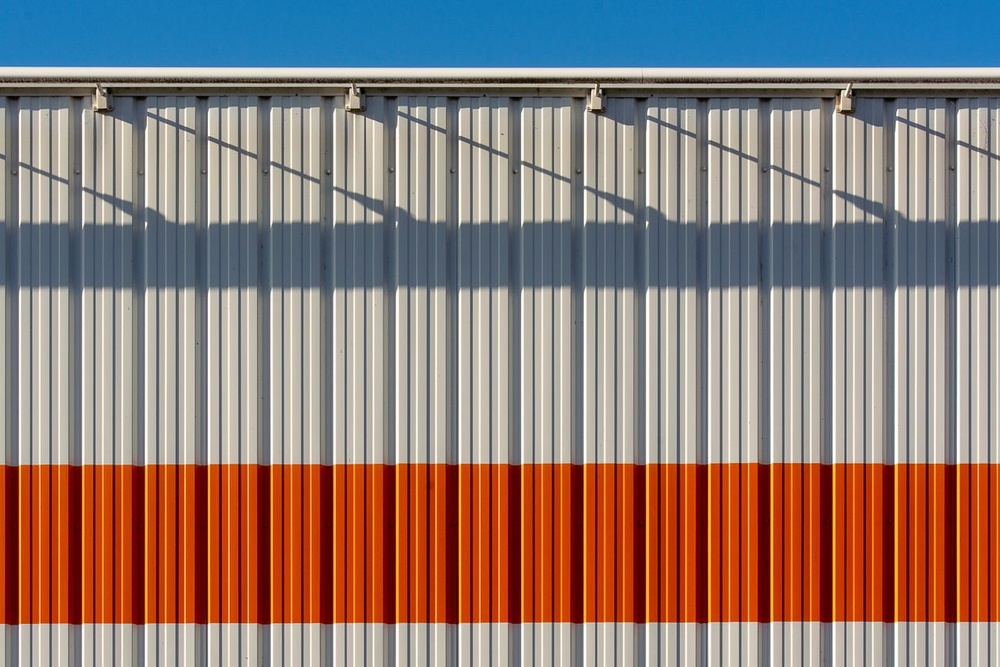
It is easy to associate metal cladding with stark, industrial forms. That is one version of it, but not the whole picture. Profiles vary widely. Some panels create depth through shadow lines while others sit almost flat, giving a smoother, quieter finish.
Then there is how it pairs with other materials. Stone, timber, and even rendered surfaces. Metal can frame them, contrast them, or step back and let them lead. The result is often more layered than people expect. Not cold. Not overly polished. Just balanced.
Designers tend to appreciate that flexibility. It allows them to push or pull the overall feel of a building without changing the underlying system.
Fire Resistance and Structural Practicality Combined
Safety rarely gets negotiated, and this is where metal has a clear edge. It does not burn. It does not contribute to flame spread. In areas where fire regulations are tightening, that alone makes it an obvious candidate.
There is also the structural side, which is less visible but just as relevant. Metal panels are lighter than many traditional alternatives. That reduces the load on the building frame. Foundations do not have to work as hard, and in some cases, that translates into cost savings during construction. It is not always the headline benefit, but it sits there in the background, shaping decisions early in the process.
Enhancing Property Value and Market Appeal
First impressions matter, but they are only part of the story. A building that looks sharp on day one but ages poorly quickly loses its edge. Metal tends to avoid that slide. As mentioned earlier, it holds its appearance, which in turn supports the perception of quality.
Buyers notice these things, even if they cannot always name them. A well-finished exterior suggests care, durability, and a certain level of foresight. It hints that the build was not rushed or compromised.
Final Thoughts
Metal cladding does not try too hard, and that may be its strongest quality for your building. It performs, lasts, and stays visually relevant without constant intervention. There is a practicality to it that becomes more apparent the longer a building stands.
For projects that aim to balance durability, efficiency, and a clean architectural presence, it is hard to ignore. Not perfect, no material is, but reliable in ways that count. And sometimes, that is exactly what a build needs.
Find a Home-Based Business to Start-Up >>> Hundreds of Business Listings.