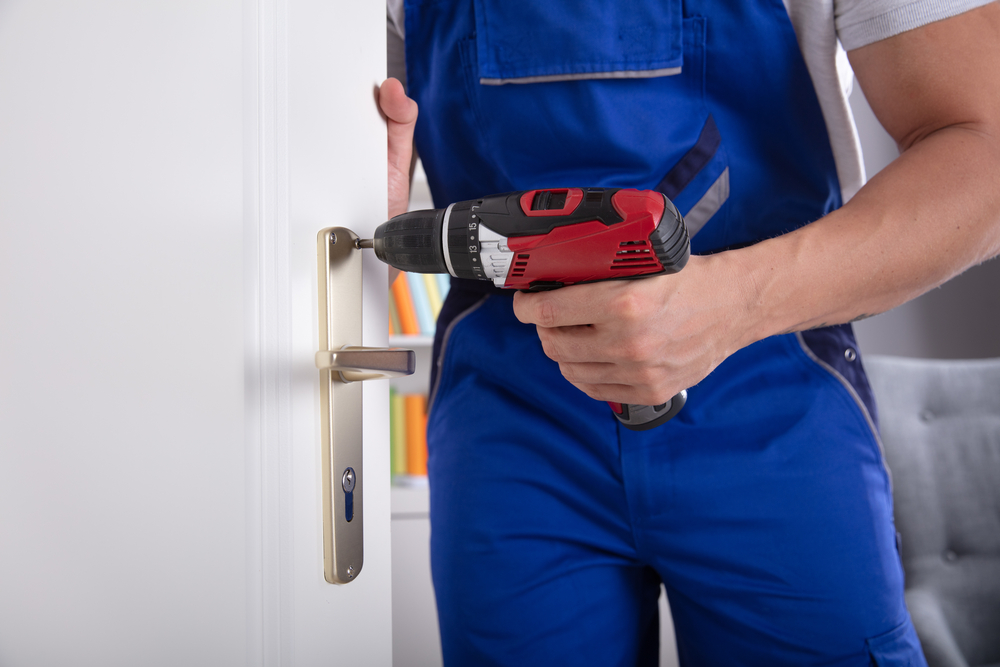








































While residential door installation is relatively straightforward, commercial door systems are typically heavier, more durable, and designed for high-traffic environments.
Why Proper Commercial Door Installation Matters
Commercial doors are designed to handle:
- Frequent daily use
- Security demands
- Fire-rating requirements
- ADA compliance
- Access control systems
Improper installation can lead to:
- Misalignment
- Closing issues
- Air leaks
- Hardware failure
- Premature wear
This is why many businesses rely on professional commercial door installation services for larger projects and code-sensitive environments.
Types of Commercial Doors
Commercial facilities commonly use:
- Hollow metal doors
- Aluminum storefront doors
- Wood commercial doors
- Glass office doors
- Fire-rated steel doors
The installation process varies depending on:
- Door weight
- Frame material
- Hardware requirements
- Building type
How to Install an Interior Commercial Door Frame
The frame is one of the most important parts of the installation process because even small alignment issues can affect long-term door performance.
Step 1: Measure the Opening
Before installation:
- Verify rough opening dimensions
- Check wall thickness
- Confirm floor levelness
- Inspect structural framing
Commercial openings must allow enough clearance for:
- Frame anchoring
- Shimming
- Hardware installation
Step 2: Position the Door Frame
The frame should be placed carefully into the opening and temporarily secured.
Installers typically:
- Check plumb alignment
- Verify square corners
- Use shims where necessary
- Confirm consistent spacing
Even slight frame twisting may prevent the door from operating properly.
Step 3: Anchor the Frame
Commercial frames are commonly secured using:
- Masonry anchors
- Steel anchors
- Wood framing fasteners
The anchoring method depends on wall construction and fire-rating requirements.
How to Hang a Commercial Door
Once the frame is properly installed, the door itself can be mounted.
Step 1: Install Hinges
Commercial doors often use:
- Heavy-duty ball-bearing hinges
- Continuous hinges
- Concealed hinges
Proper hinge placement helps support the additional weight of commercial doors.
Step 2: Position the Door
The door should be carefully lifted into the frame while maintaining:
- Even reveal spacing
- Proper floor clearance
- Smooth hinge alignment
Commercial steel doors can be significantly heavier than residential doors, often requiring multiple installers.
Step 3: Test Door Operation
After installation:
- Open and close the door repeatedly
- Check latch alignment
- Verify self-closing operation
- Confirm smooth movement
Doors should swing evenly without rubbing or sticking.
Commercial Door Hardware Installation
Commercial doors often include additional hardware systems such as:
- Panic bars
- Access control systems
- Electronic locks
- Door closers
- ADA-compliant handles
Incorrect hardware alignment may affect:
- Security
- Accessibility compliance
- Fire safety performance
Fire-Rated Door Considerations
Many commercial buildings require fire-rated door assemblies.
Fire-rated systems must meet strict code requirements involving:
- Certified hardware
- Approved frame systems
- Proper closing mechanisms
- Label compliance
Improper modifications may void fire ratings entirely.
Common Commercial Door Installation Problems
Poor installation can lead to:
- Uneven gaps
- Door sagging
- Frame warping
- Hardware failure
- Air leakage
- Security vulnerabilities
In high-traffic facilities, these issues may develop quickly if alignment is not precise.
How Much Does Commercial Door Installation Cost?
In 2026, commercial door installation costs typically range from:
- $700–$5,000+ per opening
Pricing depends on:
- Door material
- Fire-rating requirements
- Hardware systems
- Access control integration
- Frame complexity
Custom storefront systems and automatic doors may cost substantially more.
When Businesses Should Hire Professionals
Commercial door systems often involve:
- Building code compliance
- Fire safety regulations
- ADA requirements
- Security integration
Professional installers help ensure:
- Proper alignment
- Safe operation
- Code compliance
- Long-term durability
This is especially important in:
- Office buildings
- Hospitals
- Schools
- Warehouses
- Retail centers
Conclusion
Understanding how to install a commercial door and frame involves much more than simply hanging a door.
Proper frame alignment, hardware installation, and code compliance all play major roles in long-term performance and safety.
In commercial environments, correctly installed doors help improve:
- Security
- Accessibility
- Energy efficiency
- Daily operational reliability
Because of the complexity involved with commercial door systems, many businesses choose experienced installers to ensure the project meets both safety standards and long-term performance expectations in 2026.
Find a Home-Based Business to Start-Up >>> Hundreds of Business Listings.