









































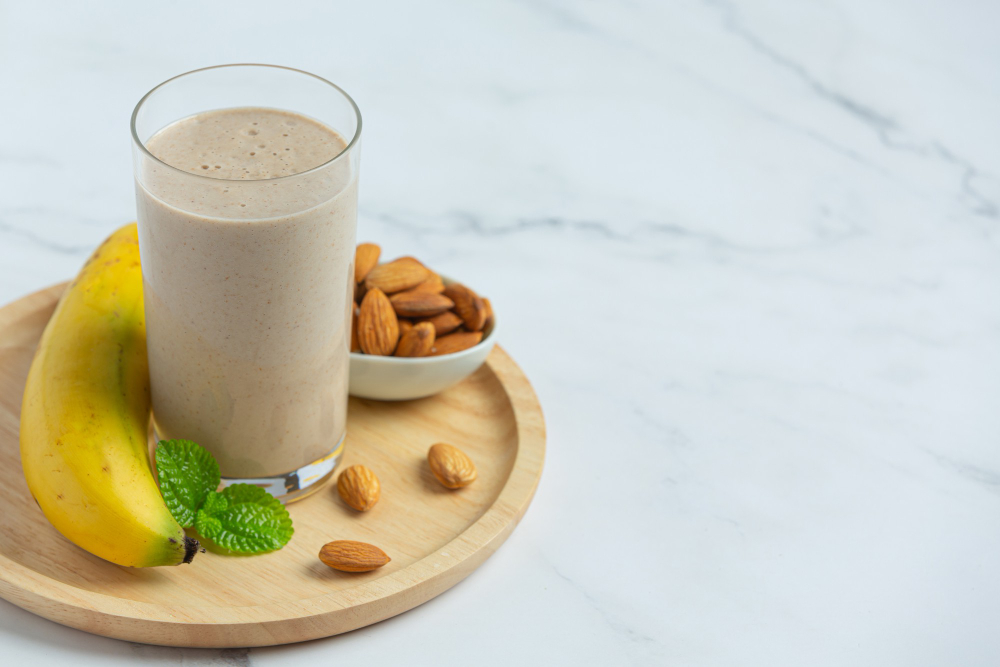
Meal replacement powders have become a popular option for people who want convenient nutrition, portion control, and consistent energy during busy schedules. Whether your goal is weight management, healthier eating, improved protein intake, or replacing fast food habits, the right powder can provide balanced calories, vitamins, minerals, fiber, and protein in minutes.
The best meal replacement powder products are designed to deliver more than just calories. They aim to support satiety, blood sugar balance, muscle maintenance, digestion, and daily productivity. For professionals, travelers, gym-goers, and anyone short on time, they can be a practical tool when used correctly.
This guide explains how meal replacement powders work, what ingredients matter most, how to choose the right one for weight loss or energy, and the top powders worth considering today.
Quick Answer
The best meal replacement powders combine high-quality protein, fiber, healthy fats, vitamins, minerals, and moderate calories. For weight loss, choose lower-calorie, high-protein formulas. For energy and nutrition, choose balanced blends with slow-digesting carbs and micronutrients.
Key Takeaways
- Meal replacement powders offer quick, portion-controlled nutrition.
- High protein and fiber formulas can support weight loss.
- Balanced carb and fat blends may improve daily energy.
- Ingredient quality matters more than branding.
- Avoid products loaded with sugar or fillers.
- Meal replacements work best as part of a healthy lifestyle.
What Is a Meal Replacement Powder?
A meal replacement powder is a nutritional blend designed to replace one meal by providing calories and nutrients in shake form. Most include:
- Protein
- Carbohydrates
- Healthy fats
- Fiber
- Vitamins
- Minerals
Unlike regular protein powders, meal replacements are intended to be more nutritionally complete.
Who Should Use Meal Replacement Powders?
Meal replacement shakes can help:
- Busy professionals skipping meals
- People managing calorie intake
- Gym users needing structured nutrition
- Travelers with limited healthy options
- Students needing quick breakfast choices
- Older adults needing easier calorie intake
They are tools—not magic solutions.
What to Look for in the Best Meal Replacement Powder
Protein Quality
Look for whey, casein, pea, soy, rice blend, or mixed proteins that support fullness and muscle maintenance.
Fiber Content
Fiber helps digestion and satiety. Aim for products with meaningful fiber content.
Balanced Calories
A useful meal replacement often contains enough calories to replace a meal without being excessive.
Micronutrients
Look for vitamins and minerals that support everyday nutrition.
Sugar Levels
Lower added sugar is generally better for long-term health goals.
Taste and Mixability
Consistency matters. If it tastes bad, most people will not stay consistent.
Top Meal Replacement Powders to Consider
Huel Powder
Known for balanced macros, fiber, vitamins, and plant-based nutrition. Popular for convenience and meal planning.
Ka’Chava
Premium blend with plant protein, greens, superfoods, and broad ingredient variety.
Garden of Life Meal
Strong plant-based option with probiotics and organic ingredients.
Orgain Meal Replacement
Widely available, smooth taste, and suitable for many beginners.
SlimFast
Popular weight-loss oriented option with simple calorie control.
Soylent
Designed for convenience-focused users wanting quick complete meals.
Comparison Table: Best Meal Replacement Powders
| Brand | Best For | Protein Source | Key Strength |
|---|---|---|---|
| Huel | Balanced nutrition | Plant blend | Complete meal profile |
| Ka’Chava | Premium wellness | Plant blend | Broad ingredient list |
| Garden of Life | Organic users | Plant protein | Clean label focus |
| Orgain | Beginners | Plant protein | Taste and value |
| SlimFast | Weight loss | Mixed | Calorie control |
| Soylent | Convenience | Soy blend | Fast daily use |
Best Meal Replacement Powder for Weight Loss
For weight loss, focus on:
- Higher protein
- Moderate calories
- Good fiber
- Low added sugar
- Strong satiety
Products like SlimFast or lower-calorie versions of Huel may suit some users.
The goal is replacing a high-calorie meal with a controlled nutritious option.
Best Meal Replacement Powder for Daily Energy
For steady energy, choose formulas with:
- Moderate carbs
- Protein
- Healthy fats
- B vitamins
- Iron
- Magnesium
Huel, Ka’Chava, and Soylent are often chosen for productivity-focused routines.
Meal Replacement Powder vs Protein Powder
| Feature | Meal Replacement | Protein Powder |
|---|---|---|
| Purpose | Replace meal | Add protein |
| Calories | Moderate | Lower usually |
| Vitamins | Usually included | Often limited |
| Carbs/Fats | Balanced | Minimal in many products |
| Satiety | Higher | Moderate |
Protein powder is not always a full meal substitute.
How to Use Meal Replacement Powders Correctly
Replace One Meal, Not Every Meal
Most people do best replacing one meal daily, such as breakfast or lunch.
Add Whole Foods Elsewhere
Use real meals for vegetables, fruit, lean proteins, and variety.
Stay Hydrated
Fiber-rich formulas need adequate water intake.
Monitor Hunger and Energy
Adjust serving size based on activity and body needs.
Real-World Use Cases
Busy Morning Routine
Blend shake in under two minutes instead of skipping breakfast.
Office Lunch Control
Avoid fast food by using a planned shake.
Travel Nutrition
Use packets when healthy food access is limited.
Post-Workout Meal Option
Add fruit or oats for recovery support.
Expert Insight
The best meal replacement powder is the one you can use consistently, digest comfortably, and fit into your total nutrition plan. Expensive products are not automatically better if taste or routine adherence fails.
Common Mistakes to Avoid
Replacing Every Meal
This can reduce dietary variety and satisfaction.
Ignoring Total Calories
A shake plus snacks can exceed calorie goals.
Choosing Sugar-Heavy Products
Some “healthy” shakes contain dessert-level sugars.
Forgetting Protein Needs
Low-protein formulas may leave you hungry quickly.
Expecting Instant Weight Loss
Consistency and overall habits still matter most.
Best Practices for Results
- Use one shake daily strategically
- Prioritize protein and fiber
- Read labels carefully
- Add fruit or seeds if needed
- Strength train for body composition goals
- Maintain calorie awareness
- Keep whole foods central to diet
Are Meal Replacement Powders Healthy?
They can be healthy when chosen carefully and used intelligently. High-quality products may help people improve nutrition consistency, especially compared with skipping meals or eating processed fast food regularly.
However, they should complement—not permanently replace—a varied whole-food diet.
Could Meal Replacement Powders Help in 2026 and Beyond?
Yes. As lifestyles stay busy and nutrition personalization grows, meal replacement products may become even more common. Expect trends such as:
- Higher protein formulas
- Gut health ingredients
- Lower sugar options
- Functional energy blends
- Personalized nutrition plans
Final Verdict
The best meal replacement powder depends on your goal. For balanced daily nutrition, Huel and Soylent are strong convenience choices. For premium wellness blends, Ka’Chava stands out. For weight loss support, SlimFast remains popular.
Ultimately, the smartest choice is a shake with quality protein, fiber, controlled calories, and a taste you enjoy enough to use consistently. Used properly, meal replacements can support weight loss, daily energy, and better nutrition habits.
FAQ Section
1. Are meal replacement powders good for weight loss?
Yes, they can help by controlling calories and increasing protein intake. They work best when replacing high-calorie meals within an overall calorie deficit.
2. Can I drink meal replacement shakes every day?
Many people use one serving daily successfully. Long term, it is best to keep whole foods as the foundation of your diet.
3. What is the best meal replacement powder for energy?
Balanced formulas with protein, moderate carbs, healthy fats, and micronutrients are often best for steady energy.
4. Is meal replacement powder the same as protein powder?
No. Meal replacements usually include carbs, fats, vitamins, and minerals, while protein powders focus mainly on protein.
5. Do meal replacement shakes keep you full?
Higher protein and higher fiber formulas can improve fullness compared with low-protein shakes.
6. Can I use meal replacement powder for breakfast?
Yes. Breakfast is one of the most common and practical times to use a meal replacement shake.
Find a Home-Based Business to Start-Up >>> Hundreds of Business Listings.