









































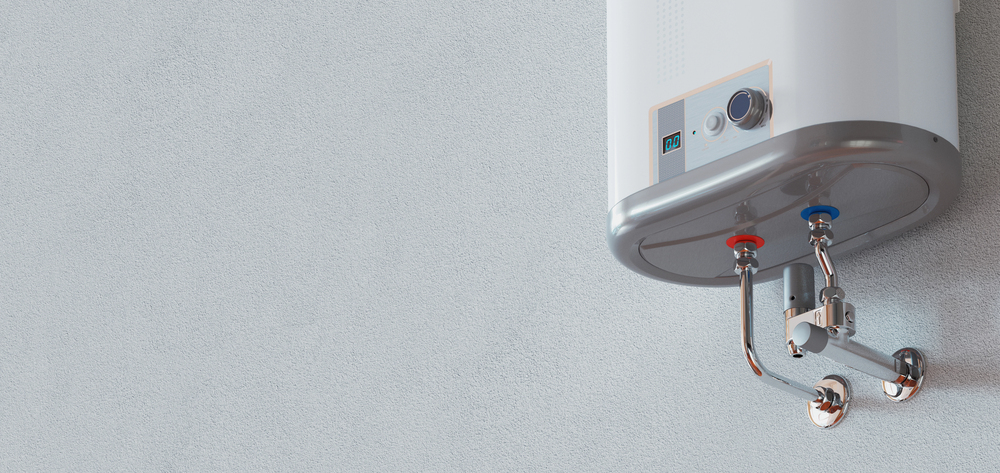
Rising energy costs push homeowners to rethink how they heat water. Traditional tank units consume large amounts of electricity or gas, often running nonstop. A smarter alternative now exists, one that pulls ambient warmth from surrounding air. These systems combine heat pump technology with a conventional electric element for backup. The result is significant monthly savings without sacrificing hot water availability. This guide breaks down nine practical ways these units reduce household utility expenses and keep more money in the budget.
1. Heat Pump Technology Cuts Energy Use
Standard electric tanks rely on resistance elements that draw heavy wattage. A hybrid water heater model operates differently. It absorbs thermal energy from ambient air and transfers that warmth into the stored water. This process requires far less electricity than generating heat from scratch. Most units use up to 60% less energy compared to conventional electric models. Over a full year, that reduction translates into hundreds of dollars saved on power bills.
2. Dual Operating Modes Offer Flexibility
These systems come equipped with multiple settings. Homeowners can choose efficiency mode, which relies solely on the heat pump. A hybrid setting blends pump operation with the electric element during periods of heavy demand. Selecting hybrid heat pump water heaters gives households the ability to match performance with seasonal needs. During warmer months, the pump alone handles demand with minimal electricity. Colder seasons may call for the combined setting, still consuming far less power than a traditional tank.
3. Lower Peak Demand Charges
Many utility providers charge higher rates during peak hours. Because heat pump systems draw less wattage, they place a smaller load on the grid. Some models also include scheduling features that allow operation during off-peak windows. This combination helps households avoid premium pricing tiers and keeps monthly statements predictable.
4. Reduced Standby Heat Loss
Older tanks lose stored warmth through their walls around the clock. Hybrid units feature improved insulation and smarter heating cycles. The hybrid water heater system reheats water only when necessary, rather than maintaining constant temperatures. Less reheating means less wasted energy and lower costs between usage periods.
5. Longer Lifespan Lowers Replacement Frequency
A typical electric tank lasts 8 to 12 years. Heat pump models often exceed 13 years with proper maintenance. Fewer replacements mean reduced long-term spending on new equipment, installation labor, and disposal fees. That extended service life spreads the initial investment over a greater number of billing cycles.
6. Federal and Local Tax Incentives
Government programs frequently offer rebates or credits for energy-efficient appliances. Qualifying heat pump water heating systems can earn federal tax credits that offset the purchase price. Several state and municipal programs add additional rebates. These financial incentives shorten the payback period and accelerate overall savings.
7. Passive Cooling and Dehumidification
While operating, the heat pump component pulls warmth from the surrounding air. This byproduct cools and dehumidifies the installation space. In garages or basements, that effect can reduce reliance on separate cooling equipment. Less air conditioning usage during summer months creates an indirect but measurable drop in total utility spending.
8. Compatibility with Solar and Renewable Energy
Homeowners with rooftop solar panels benefit greatly from low-draw appliances. A hybrid unit’s modest electricity requirement pairs well with residential solar output. Excess solar generation can power the water heating system at zero marginal cost. This pairing maximizes the return on both investments simultaneously.
9. Smart Controls Enable Precise Management
Modern units include digital interfaces and app connectivity. Owners can monitor consumption patterns, adjust temperature targets, and set vacation modes remotely. These controls prevent unnecessary heating when the household is empty. Real-time data also highlights usage trends, making it easier to identify further opportunities for conservation.
Conclusion
Hybrid water heating technology addresses utility expenses from multiple angles. Energy-efficient operation, tax incentives, passive space cooling, and smart scheduling all contribute to meaningful bill reductions. The initial cost sits higher than a basic electric tank, but savings accumulate quickly through lower monthly charges and fewer replacements. For any household looking to trim recurring expenses without compromising comfort, upgrading to a heat pump water heating system remains one of the most practical steps available today.
Find a Home-Based Business to Start-Up >>> Hundreds of Business Listings.