










































Starting a photography studio from scratch sounds intimidating — until you break it down into real decisions with real numbers. Many photographers begin by booking time from an existing photo studio rental facility, testing the market before committing to a long-term lease. That’s a smart move. But eventually, running on someone else’s studio clock limits your growth. This guide covers the full path from initial idea to operating business.
1. Define Your Niche Before You Spend a Cent
The most expensive mistake early studio owners make is building a general-purpose space that serves no one particularly well.
Ask Yourself These Questions Before Anything Else:
- Who is your target client — product brands, portrait clients, ad agencies, or fashion labels?
- Will you focus on hourly rentals, long-term memberships, or full-scale production shoots?
- What’s the average shoot budget your ideal client works with?
A commercial photography studio business serving e-commerce brands needs seamless paper backgrounds, controlled lighting grids, and fast prop turnaround. A portrait studio requires softer light sources and client-facing amenities. These are different businesses with different build-out costs. Pick one direction first — everything else follows from that choice.
2. Write a Business Plan That Lenders Will Actually Read
Opening a photography studio business requires a business plan — not because it’s a formality, but because it forces you to stress-test your numbers before any money leaves your account.
| Section | What to Cover |
| Market analysis | Local competitor studios, pricing benchmarks, demand signals |
| Revenue model | Hourly rates, day rates, membership tiers, add-on services |
| Startup costs | Equipment, lease deposits, insurance, permits, booking software |
| Break-even projection | Monthly fixed costs vs. projected bookings |
| 3-year forecast | Conservative, realistic, and optimistic revenue scenarios |
The Small Business Administration (SBA) offers free business plan templates, and SCORE provides free mentoring from experienced business owners — both worth using before approaching any lender or investor.
3. Choose the Right Location — and Negotiate Hard
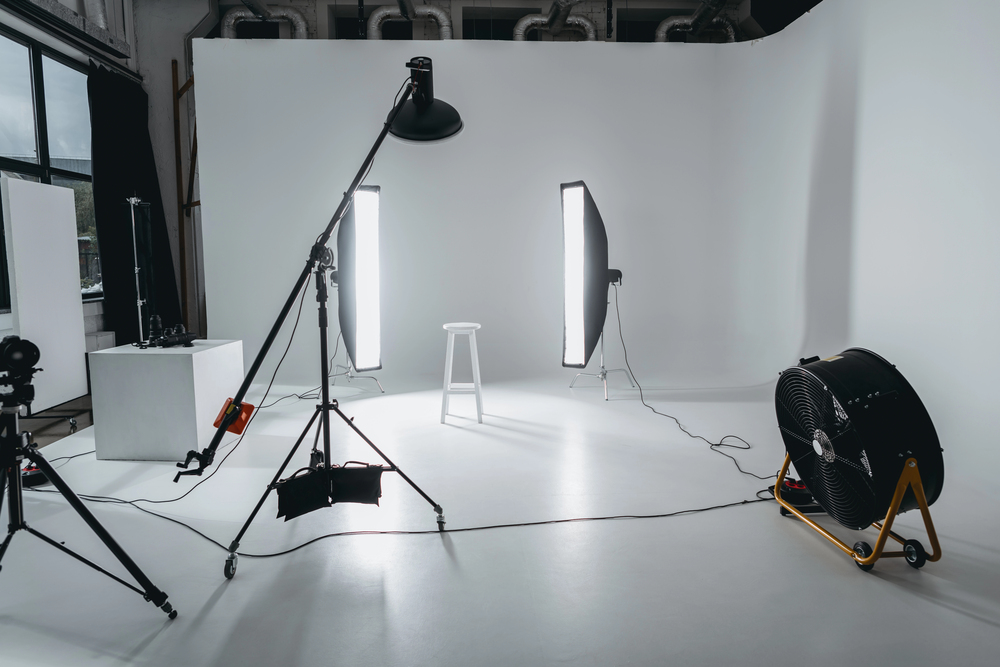
Location shapes your client base, your lease costs, and your day-to-day operations. For a commercial photo studio, the physical specs of the space are as important as the address.
- Ceiling height — 12 to 16 feet minimum for most production work; cyclorama walls require even more clearance
- Loading access — Large set pieces need freight elevator access or ground-level loading docks
- Power capacity — Studio strobes and continuous lighting systems draw significant amperage; verify the building’s electrical panel before signing
- Natural light — North-facing skylights or oversized windows are a genuine client draw for specific shoot categories
- Zoning compliance — Photography operations must be located in properly zoned commercial or industrial spaces; confirm this with your municipality before committing
On lease terms: negotiate for a tenant improvement (TI) allowance — funds landlords often provide to build out raw space. A TI allowance of $20–$50 per square foot is common in competitive markets and can substantially reduce your upfront capital requirement.
4. Register Your Business and Get Properly Insured
Business Formation — In Order:
- Choose a legal structure — most studio owners use an LLC for liability protection and tax flexibility
- Register with your state’s Secretary of State office (filing fees range from $50–$500 depending on state)
- Obtain a free EIN from the IRS online
- Open a dedicated business bank account — never mix personal and business finances
- Apply for any local business licenses or occupational permits your city or county requires
Insurance Policies to Carry From Day One:
- General liability — covers third-party property damage and bodily injury on your premises
- Equipment insurance — protects cameras, lights, and studio gear from theft and accidental damage
- Business interruption — replaces lost income if a covered event forces you to close temporarily
Skipping any of these creates liability exposure that a single incident can turn into a business-ending loss.
5. Build Out the Studio Space
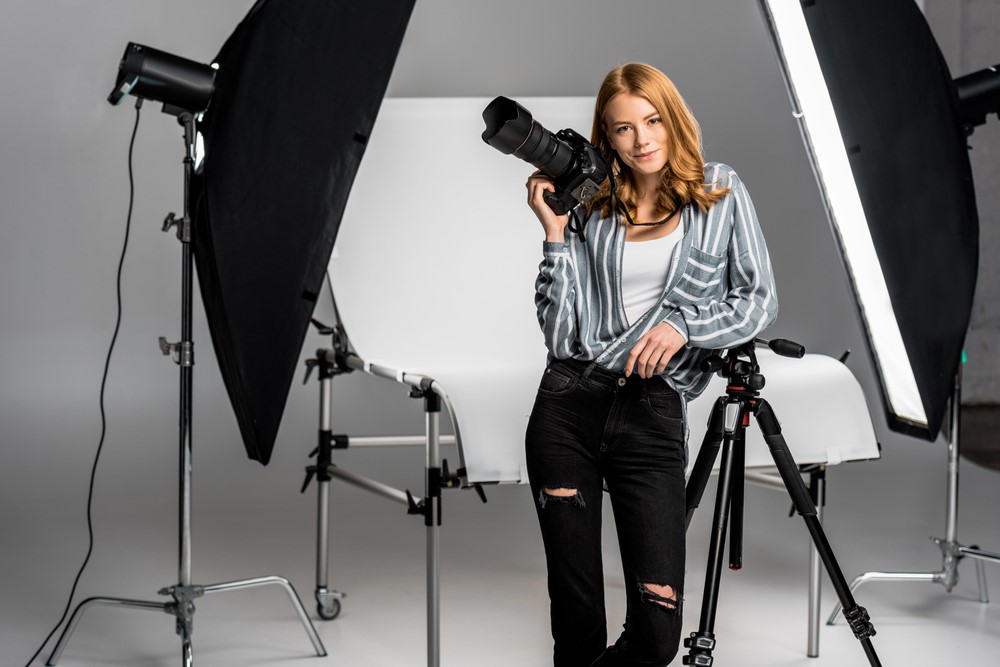
The physical build-out determines what shoots you can accommodate — and what clients you can realistically pursue.
Flooring:
Hardwood or polished concrete handles most shoot types. Avoid textured surfaces that interfere with reflective product photography.
Backdrop Systems:
Motorized electric roller systems allow fast background swaps and protect paper rolls from floor damage. A three- to four-roller setup covers most client requests.
Lighting Infrastructure:
Ceiling-mounted power strips (called pigtails or drop boxes) eliminate floor cable clutter and protect equipment from trip hazards — a detail professional clients immediately notice.
Cyclorama Wall:
A curved infinity cove requires skilled construction; the curve must be perfectly smooth and paintable in matte white. Budget $5,000–$20,000 for a professionally built cyc depending on dimensions.
Opening a photography studio business at a professional level means these infrastructure decisions need to be made before the first client walks in — retrofitting them later is significantly more expensive.
6. Set Your Pricing with Real Market Data
A commercial photography studio business in a major metro typically operates within these ranges:
- Hourly rate: $75–$200/hour for standard studio space
- Half-day rate: $350–$800 (typically 4–5 hours)
- Full-day rate: $600–$2,000+ depending on amenities and market
- Membership plans: Monthly packages at 15–25% below standard rates
Platforms like Peerspace and Giggster list competitor rates publicly — use them for accurate local benchmarking. Don’t underprice to attract early clients. It sets a rate expectation that’s difficult to correct and pulls in clients whose budgets don’t support professional production work.
7. Market the Studio Before It Opens
Most studio owners wait until they’re operational to start marketing. That’s a missed opportunity — your pipeline should already exist on opening day.
For a commercial photo studio, the highest-return marketing channels are:
- Google Business Profile — Most “photo studio near me” searches resolve here. Complete every field, upload photos consistently, and respond to every review
- Direct outreach to creative agencies — Ad agencies and design studios are repeat bookers. A one-page rate card and a studio walkthrough video sent to art directors often converts faster than paid advertising
- Peerspace and Giggster listings — These platforms reach one-off production clients you wouldn’t otherwise find
- Instagram and LinkedIn — Instagram for visual portfolio work; LinkedIn for reaching brand managers and marketing directors who control production budgets
The First Year Won’t Look Like the Second
A photography studio stabilizes over 12 to 18 months as you build a repeat client base, refine your rate structure, and identify which shoot types your space handles best. Your booking software, client contracts, cancellation policies, and deposit structures need to be documented and enforced from your first booking — not sorted out after problems arise. The studios that last are run as businesses first and creative spaces second.
Find a Home-Based Business to Start-Up >>> Hundreds of Business Listings.


