








































Introduction
Tea is one of the most consumed beverages globally, valued for its soothing properties, antioxidants, and potential health benefits. From green tea to black tea and herbal infusions, billions of cups are brewed every day. For convenience, tea bags have become the preferred choice for many households. However, recent research and consumer awareness have raised important questions about the safety of tea bags. Concerns about microplastics, chemical exposure, and environmental impact are now at the center of discussions among scientists and health experts. While tea itself is widely considered healthy, the packaging used to deliver it—especially tea bags—may introduce unintended risks. This article explores the materials used in tea bags, the science behind microplastic contamination, potential chemical exposure, expert opinions, and practical steps to ensure safer tea consumption.
Quick Answer: Are Tea Bags Safe to Use?
Most tea bags are safe for occasional use, but certain types—especially those containing plastic or treated with chemicals—may release microplastics or residues when exposed to hot water.
Key Takeaways
- Some tea bags release microplastics when steeped in hot water
- Bleached tea bags may contain trace chemical residues
- Plastic-based pyramid bags pose higher potential risks
- Loose-leaf tea is generally considered the safest option
- Experts recommend choosing plastic-free and unbleached alternatives
- Environmental concerns are driving demand for safer tea packaging
What Are Tea Bags Made Of?
Understanding the materials used in tea bags is essential for evaluating their safety. Not all tea bags are created equal, and the composition varies significantly across brands and product types.
Paper-Based Tea Bags
Traditional tea bags are typically made from filter paper derived from wood pulp. To improve durability and prevent tearing, manufacturers may add a small percentage of synthetic fibers such as polypropylene.
While paper tea bags are often perceived as natural, the inclusion of plastic fibers means they are not entirely free from synthetic materials.
Plastic Tea Bags (Nylon and PET)
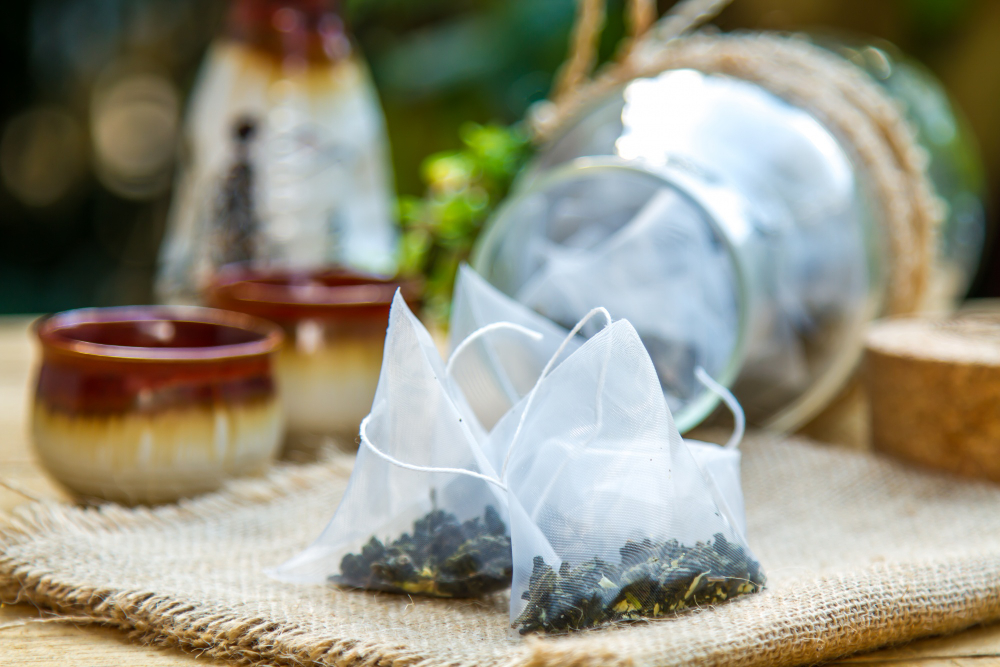
Premium tea brands often use pyramid-shaped tea bags made from nylon or polyethylene terephthalate (PET). These materials allow for better water flow and are visually appealing, enhancing the perceived quality of the tea.
However, these plastic-based tea bags are the primary source of microplastic concerns.
Biodegradable and Plant-Based Bags
Some companies use plant-based materials such as polylactic acid (PLA), derived from corn starch. These are marketed as biodegradable or compostable.
While they are a step toward sustainability, their safety and degradation depend on specific conditions, such as industrial composting facilities.
Microplastics in Tea Bags
What Are Microplastics?
Microplastics are extremely small plastic particles, typically less than 5 millimeters in size. They originate from the breakdown of larger plastic items or are manufactured at a microscopic scale.
These particles have been found in water, food, air, and even human tissues.
How Tea Bags Release Microplastics
When plastic-based tea bags are exposed to boiling water, heat can cause the material to break down and release microscopic particles into the beverage.
Research has shown that a single plastic tea bag can release billions of microplastic particles into one cup of tea.
Potential Health Effects
The long-term health effects of microplastics are still being studied, but potential concerns include:
- Accumulation in organs and tissues
- Disruption of cellular processes
- Transport of harmful chemicals into the body
Although definitive conclusions are not yet established, many experts recommend minimizing exposure as a precaution.
Chemical Exposure From Tea Bags
Bleaching Processes
Some tea bags are bleached to achieve a clean white appearance. This process may involve chlorine or oxygen-based treatments.
Chlorine bleaching can produce trace amounts of dioxins, which are persistent environmental pollutants.
Adhesives and Sealing Methods
Tea bags are sealed using heat or adhesives. In some cases, chemical adhesives may be used, which could release compounds when exposed to high temperatures.
Flavoring and Additives
Flavored teas may contain artificial ingredients that interact with packaging materials. This can potentially alter the chemical composition of the beverage.
Comparison Table: Tea Bag Types and Safety
| Type of Tea Bag | Material | Safety Level |
|---|---|---|
| Unbleached paper | Wood pulp | High |
| Bleached paper | Wood pulp + chemicals | Moderate |
| Nylon/PET | Plastic | Lower |
| PLA (plant-based) | Biodegradable plastic | Moderate |
Real-World Use Cases
Daily Tea Drinkers
Individuals who consume multiple cups of tea daily may face higher cumulative exposure to microplastics and chemical residues.
Health-Conscious Consumers
People focused on wellness often switch to loose-leaf tea to reduce exposure and improve quality.
Premium Tea Buyers
Consumers purchasing premium pyramid tea bags may unknowingly increase their exposure to microplastics due to plastic materials.
Expert Insights
Health and environmental experts agree that while the risks associated with tea bags are relatively low compared to other exposures, they are not negligible.
Experts emphasize a precautionary approach—reducing unnecessary exposure wherever possible.
They also highlight the need for better regulation and transparency in packaging materials.
Scientific Research and Data
Recent scientific studies have brought attention to the issue of microplastics in tea bags. One study found that steeping a plastic tea bag in hot water released billions of microplastic and nanoplastic particles.
Other research has examined chemical residues from bleaching processes, finding that while levels are generally low, they are still present.
Despite these findings, there is currently no direct evidence linking tea bag use to specific diseases. However, the cumulative effects of long-term exposure remain an area of ongoing research.
Common Mistakes Consumers Make
Many consumers assume all tea bags are natural and safe, which is not always the case.
Another mistake is ignoring packaging labels that indicate whether a product is plastic-free or biodegradable.
Some people also use excessively hot water or steep tea for extended periods, potentially increasing the release of microplastics and chemicals.
Best Practices for Safer Tea Consumption
Choose tea bags labeled as plastic-free and unbleached.
Opt for loose-leaf tea with stainless steel or glass infusers.
Avoid using boiling water for delicate teas unless necessary.
Research brands that prioritize transparency and sustainable packaging.
Expert Tip
Switching to loose-leaf tea is one of the most effective ways to eliminate potential risks associated with tea bag materials while enhancing flavor and quality.
Environmental Impact of Tea Bags
Plastic Pollution
Plastic tea bags contribute to environmental pollution and are not easily recyclable.
Composting Challenges
Even biodegradable tea bags may not break down effectively in home compost systems.
Sustainability Trends
Consumer demand is driving brands to adopt eco-friendly materials and reduce plastic usage.
Market Trends and Consumer Awareness
Growing Awareness
Consumers are becoming more informed about microplastics and chemical exposure in everyday products.
Shift Toward Premium and Organic Tea
There is increasing demand for organic, loose-leaf, and sustainably packaged tea products.
Regulatory Developments
Governments and regulatory bodies are beginning to address concerns related to food packaging safety.
Advantages and Disadvantages of Tea Bags
Advantages
- Convenience and ease of use
- Consistent portion control
- Wide availability
Disadvantages
- Potential exposure to microplastics
- Chemical residues from processing
- Environmental concerns
What Experts Say About Safety
Reducing exposure to microplastics and chemicals aligns with broader health and environmental goals.
Future Outlook
Innovation in Materials
Manufacturers are developing new materials that are both safe and environmentally friendly.
Increased Transparency
Brands are expected to provide clearer information about their packaging and production processes.
Consumer-Driven Change
As awareness grows, consumer demand will continue to shape the future of tea packaging.
Conclusion
Tea remains a healthy and enjoyable beverage, but the growing awareness of tea sachet health risks highlights the importance of informed choices. While the risks associated with microplastics and chemicals are relatively low, they are not entirely avoidable—especially with frequent consumption.
By understanding the materials used in tea pouches and following expert recommendations, consumers can significantly reduce potential exposure. Choosing plastic-free, unbleached tea filters or switching to loose-leaf tea are simple yet effective steps toward safer consumption.
As the industry evolves, increased transparency and innovation will likely lead to safer and more sustainable options. Until then, awareness and informed decision-making remain the best tools for protecting both personal health and the environment.
FAQs
1. Do tea sachets release microplastics?
Yes, certain plastic-based tea sachets can release microplastics when exposed to hot water. The amount depends on the material and temperature used during brewing.
2. Are paper tea pouches safe?
Unbleached paper tea pouches are generally considered safe. However, some may still contain small amounts of plastic fibers for durability.
3. Is loose-leaf tea safer than tea infusers?
Yes, loose-leaf tea eliminates the risk of exposure to tea infuser packets, making it a safer and often higher-quality option.
4. What chemicals are found in tea filters?
Tea filters may contain residues from bleaching agents, adhesives, and trace compounds like dioxins, depending on manufacturing processes.
5. Should I stop using tea sachets completely?
Not necessarily. Occasional use is considered safe, but choosing safer alternatives can reduce potential risks over time.
6. Are biodegradable tea pouches completely safe?
They are generally safer than plastic-based options, but their safety depends on the materials used and how they are processed.
7. How can I reduce risks when drinking tea?
Choose plastic-free tea filters, avoid excessive heat, and consider switching to loose-leaf tea for a safer experience.
Find a Home-Based Business to Start-Up >>> Hundreds of Business Listings.