













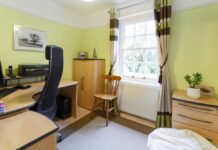




























Workplace environments are about more than impressing clients or fulfilling a legal duty of care to your staff. Comfortable conditions support business success, motivating employees and helping them to maintain high levels of performance. A happy, hardworking workforce means more satisfied customers and more revenue, a better reputation and reduced staff turnover which can be costly and time-consuming.
Explore the key elements of comfortable workspaces and how they can improve productivity and identify where you could make small adjustments for potentially significant gains.
1. Reducing Absenteeism Through Ergonomic Design
Ergonomics is a consideration in most workplaces, from warehouses to offices. Poor setups can contribute to musculoskeletal ailments, eye strain, headaches, poor circulation and more physical issues, which can be serious enough to demand time off work – or, rarely, render an employee unable to continue a job. The Health & Safety Executive (HSE) provides guidance on ergonomics to help employers fulfil their legal obligation to support staff wellbeing.
Even in cases where the physical impact is simply minor discomfort, the consequences for productivity can be significant. Minutes per day can be lost on comfort breaks and setup adjustments, which themselves can fuel prolonged periods of lost concentration.
Ergonomic design solves practical problems. Adjustable chairs, monitor stands and desks ensure employees can maintain a more natural posture in the office. Looking beyond furniture, you can consider accessories (or more manual jobs, special tools) which reduce repetitive strain injury, and how setups are placed to optimise lighting.
2. Supporting Concentration With Temperature
Office temperature influences productivity more directly than many employers expect. When rooms feel too warm, employees become sluggish and impatient. When temperatures drop too low, people lose focus due to active discomfort. While there is no official legal temperature that should be maintained, HSE guidelines dictate that indoor workspaces must maintain a ‘reasonable’ temperature, recommended as a minimum of 16°C for sedentary jobs or 13°C for active work.
Heating systems therefore play a central role in maintaining consistency throughout the working day. Consider browsing new boilers for sale, which can be paired with a smart thermostat for precise temperature adjustment and the option of zoning heating to streamline energy use across the business. Aim for stable conditions instead of dramatic changes between seasons. Work with employees to identify and fix temperature regulation issues.
3. Improving Mood With Plants and Natural Light
Offices and warehouses with limited daylight often feel draining by the end of the week. Harsh artificial lighting can cause headaches and migraines and makes repetitive tasks feel more monotonous more quickly, contributing to fatigue and associated human error.
Natural light helps employees stay alert because it supports healthier daily rhythms and reduces the sense of confinement that many people experience in enclosed gloom. Staff working near windows frequently report better focus during the afternoon compared with colleagues in darker corners of the building. Where task lighting or dark conditions are essential to jobs, ensure employees have regular breaks of adequate length in the fresh air.
Plants also contribute, softening sterile environments with visual variety that makes shared spaces feel calmer. They also help to oxygenate indoor areas.
4. Encouraging Collaboration With Flexible Layouts
Office layouts shape how teams communicate. Rigid seating plans and isolated departments can slow decision-making because employees hesitate to approach colleagues outside their immediate area. At the same time, completely open offices often create constant distractions that undermine focused work, showing how comfortable workspaces improve productivity.
Flexible layouts give people more control over how they work during the day. Quiet zones allow employees to handle detailed tasks without interruption, while shared tables support quicker conversations between departments. A project manager can review timelines with designers in an informal breakout area instead of organising another formal meeting that consumes half the morning.
Successful workplaces usually balance structure with adaptability. Modular furniture, movable dividers and bookable collaboration spaces help businesses respond to changing workloads without redesigning the entire office. When employees can choose spaces that suit the task in front of them, they spend less time managing distractions and more time completing meaningful work.
Find a Home-Based Business to Start-Up >>> Hundreds of Business Listings.