






































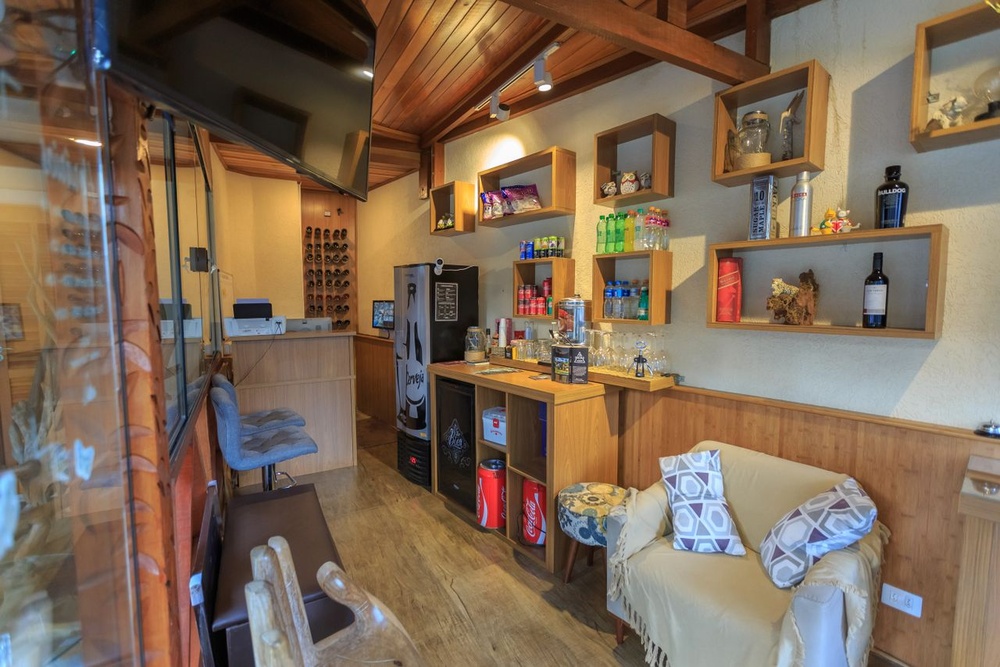



Running a business from a spare room no longer means settling for a single revenue stream. Home-based founders are stacking multiple income sources, often testing two or three online business models at once before committing to what actually pays the bills. The tools available today make experimentation cheap, which is exactly why so many entrepreneurs are treating their business like a portfolio rather than a single bet.
That shift is visible across everything from subscription content to productized services. What ties these models together isn’t the product itself, but how quickly a customer can go from curiosity to paying client.
Subscription-Based Digital Services Gain Steady Traction
Newsletters, paid communities, and membership hubs have moved from side-project status to legitimate primary income for many home-based operators. Platforms built for creators now handle billing, access control, and audience management in one dashboard, which removes a huge chunk of the technical overhead that used to keep solo founders from launching.
The appeal is recurring revenue without inventory or shipping. A consultant or niche writer can package expertise into a monthly subscription and reach paying members directly, bypassing the need for a large following or ad budget. This model rewards consistency over virality, which suits entrepreneurs who prefer steady output over chasing trends.
Verification-Free Signup Trends Reshape Online Commerce
Across nearly every digital sector, customers now expect to sign up and start using a service within seconds. This expectation didn’t emerge from ecommerce alone — it’s been shaped by entertainment and gaming platforms that pioneered fast, low-barrier onboarding. Streaming services let users start watching within seconds of entering a payment method, no profile setup required. Digital news platforms offer instant access via social login without a separate registration flow. Crypto wallets activate with an email address and no identity documents. The same logic has reached online gambling — sports betting sites without verification let users place bets within seconds using wallet-based access and no account creation step.
Home-based entrepreneurs building digital storefronts or subscription products are borrowing from this same playbook. Guest checkout, social login, and prefilled forms all shorten the path between interest and purchase. That matters because checkout friction remains a widespread problem — a recent industry analysis found that 88% of ecommerce stores still force account creation before a customer can complete a purchase, despite clear evidence that this step drives abandonment. Entrepreneurs who remove that barrier are effectively competing on user experience rather than price alone.
Micro-Investing Apps Diversify Entrepreneurial Income Streams
Beyond storefronts and subscriptions, home-based founders are increasingly treating their own businesses as investment vehicles, funneling profits into micro-investing apps and automated portfolios rather than letting cash sit idle. This isn’t a separate business model so much as a financial habit that’s become part of running one — using spare revenue to build a secondary income stream alongside the primary venture.
This behavior lines up with broader shifts in how solo operators monetize their work. The creator economy, which many home-based businesses now resemble in structure, generates revenue through a mix of sponsorships, advertising, affiliate partnerships, and subscriptions, according to a 2026 creator economy report. Entrepreneurs applying this same diversified thinking to personal finance are essentially reinvesting business income the way a creator might spread revenue across multiple channels.
Evaluating Which Models Scale Long-Term
Not every online business model tested at home is built to scale, and that’s fine. The point of experimentation is finding which one earns its place in a founder’s weekly routine without draining more time than it returns.
Context helps here. Home-based businesses aren’t a niche corner of the economy — they represent a substantial share of U.S. small business activity, with millions of home-based operations contributing meaningfully to overall small business revenue. Given that scale, it makes sense that so many founders are willing to test new formats. The winners tend to be the online business models that reduce friction for both the founder and the customer, proving that ease of use isn’t just a nice feature — it’s often the deciding factor in whether a business model survives past its first few months.
Find a Home-Based Business to Start-Up >>> Hundreds of Business Listings.