








































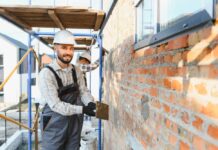

Concrete is often one of the most essential parts of a home build or even a remodel. The trouble with concrete is that it’s quite expensive. While you get a lot of bang for your buck when you invest in concrete, you also need to be able to afford to use it in your home builds or projects.
There are various concrete paving options that can help you afford this very important building material for your business. Depending on the kind of space that you are trying to make functional, you might not have to use poured concrete to generate a smooth surface that can be used for things like entertainment, barbecuing, or walking. Let’s talk about concrete paving options that your business can afford.
Concrete Paving That is Affordable for Businesses
1. Know What You Need and Do it Right
One of the reasons that concrete can get expensive in construction projects is because it is quite common for there to be mistakes or poor planning involved in the job. This means concrete is poured and has to be removed, or the truck comes to pour for the entire build, and an area is missed. When you have to have a concrete truck come back a second time, you not only have to pay for this service more than once, you also delay the rest of your project and need to pull hands away from other jobs to tackle this course correction.
You need to be sure about where concrete needs to be poured and have it all poured at the same time if you want affordable concrete paving for your business. Make sure that you have a solid plan for this part of the project, and you will save money and time.
If you need to break up the project into phases to manage money better, that is fine. You should consider which spaces are most essential and do them first so that you can continue to work on the rest of the project while you wait for the next funding period from your construction loan.
2. Know What Slab Thickness You Need
There are many instances when slabs are poured thicker than is necessary, which adds to the cost of the concrete for the project. Walkways can be four inches thick, while other areas that are load-bearing will need to be thicker. You should be sure that you are not using extra material that isn’t needed in areas that don’t have to hold up the weight of a house or vehicles.
Having the right slab thicknesses throughout your concrete project will help you save money and time, and it will also ensure that future projects that require removing and replacing concrete are not cumbersome.

3. Consider Pavers Instead
There are other ways that you can make a usable space or walkway without having to fork out the money for poured concrete. Patios and walkways are ideal for the use of pavers instead of poured concrete. These pavers come in various sizes and shapes as well, which means that you can create a fully customized patio or walkway that is stable, durable, and beautiful.
Pavers are often very attractive, and they can be an ideal means by which you can create usable spaces without having to figure out cost, timing, and manpower for large concrete pours. They are not suitable for load-bearing parts of a project, but they are ideal for areas where attractive, water-proof materials are needed.
Gravel and other mediums can also be a good option for walkways if you want to save money and achieve affordable concrete paving for your business, but you need to ensure that mud is controlled. You don’t have to lay concrete in every area of a property where foot traffic might be expected, so don’t feel like you have to spend top dollar on these areas that don’t necessarily need to be protected by poured concrete.
Ways to Ensure That Your Concrete Lasts
As mentioned before, there are many construction jobs each year that face cost overruns because the concrete pouring process was not done correctly. This can lead to cracks in the finished slab, areas that are not level, or places that were poured too thin and which cracked. You need to be sure that you are laying your concrete correctly so that you don’t have to tear any of it back up once it has been poured.
Make sure that you are not using too much water when you are mixing up concrete by hand. Too much water will weaken the concrete and make it likely to crack. You should also be sure that any concrete that is laid for your project is vibrated to remove air pockets. Pockets of air will cause your concrete to be unstable and it could impact its ability to be leveled properly.
Curing times can vary in the summer and winter, so be sure that you know how long concrete needs to rest before it is fully cured. Unfortunately, it is all too common for concrete to be improperly cured, leading to failure and other issues right after it has been laid.

Concrete Costs Can Be Controlled if You Use These Tips
There are going to be parts of any construction project that require that you utilize poured concrete, however, you can save money by ensuring that you are laying it correctly the first time. You should also be sure that you consider other options for walkways and areas that might be used for outdoor furniture if the total cost of the concrete for a job is getting out of hand. Not all spaces that are going to be used for foot traffic or other purposes have to be protected by poured concrete.
Ensure that you have a solid plan for your concrete pour so that you don’t waste time or wind up with concrete that has failed and needs to be replaced. The more organized you are as you tackle the concrete pour for your construction projects, the more money you will save.
Find a Home-Based Business to Start-Up >>> Hundreds of Business Listings.